Unauth. Stored Cross-Site Scripting (XSS) vulnerability in gVectors Team Comments — wpDiscuz plugin <= 7.6.11 versions.
Vulnerability in AMSS++ version 4.31, which does not sufficiently encode user-controlled input, resulting in a Cross-Site Scripting (XSS) vulnerability through /amssplus/modules/book/main/bookdetail_group.php, in the 'b_id' parameter. This vulnerability could allow a remote attacker to send a specially crafted URL to an authenticated user and steal their session cookie credentials.
KLiK SocialMediaWebsite version 1.0.1 from msaad1999 has a reflected cross-site scripting (XSS) vulnerability which may allow remote attackers to execute arbitrary JavaScript in the web browser of a user, by including a malicious payload into the 'selector' or 'validator' parameters of 'create-new-pwd.php'.
AList is a file list program that supports multiple storages. AList contains a reflected cross-site scripting vulnerability in helper.go. The endpoint /i/:link_name takes in a user-provided value and reflects it back in the response. The endpoint returns an application/xml response, opening it up to HTML tags via XHTML and thus leading to a XSS vulnerability. This vulnerability is fixed in 3.29.0.
D-Tale is the combination of a Flask back-end and a React front-end to view & analyze Pandas data structures. Prior to version 3.7.0, users hosting D-Tale publicly can be vulnerable to remote code execution, allowing attackers to run malicious code on the server. This issue has been patched in version 3.7.0 by turning off "Custom Filter" input by default. The only workaround for versions earlier than 3.7.0 is to only host D-Tale to trusted users.
### Summary On all Label Studio versions prior to 1.11.0, data imported via file upload feature is not properly sanitized prior to being rendered within a [`Choices`](https://labelstud.io/tags/choices) or [`Labels`](https://labelstud.io/tags/labels) tag, resulting in an XSS vulnerability. ### Details Need permission to use the "data import" function. This was reproduced on Label Studio 1.10.1. ### PoC 1. Create a project. 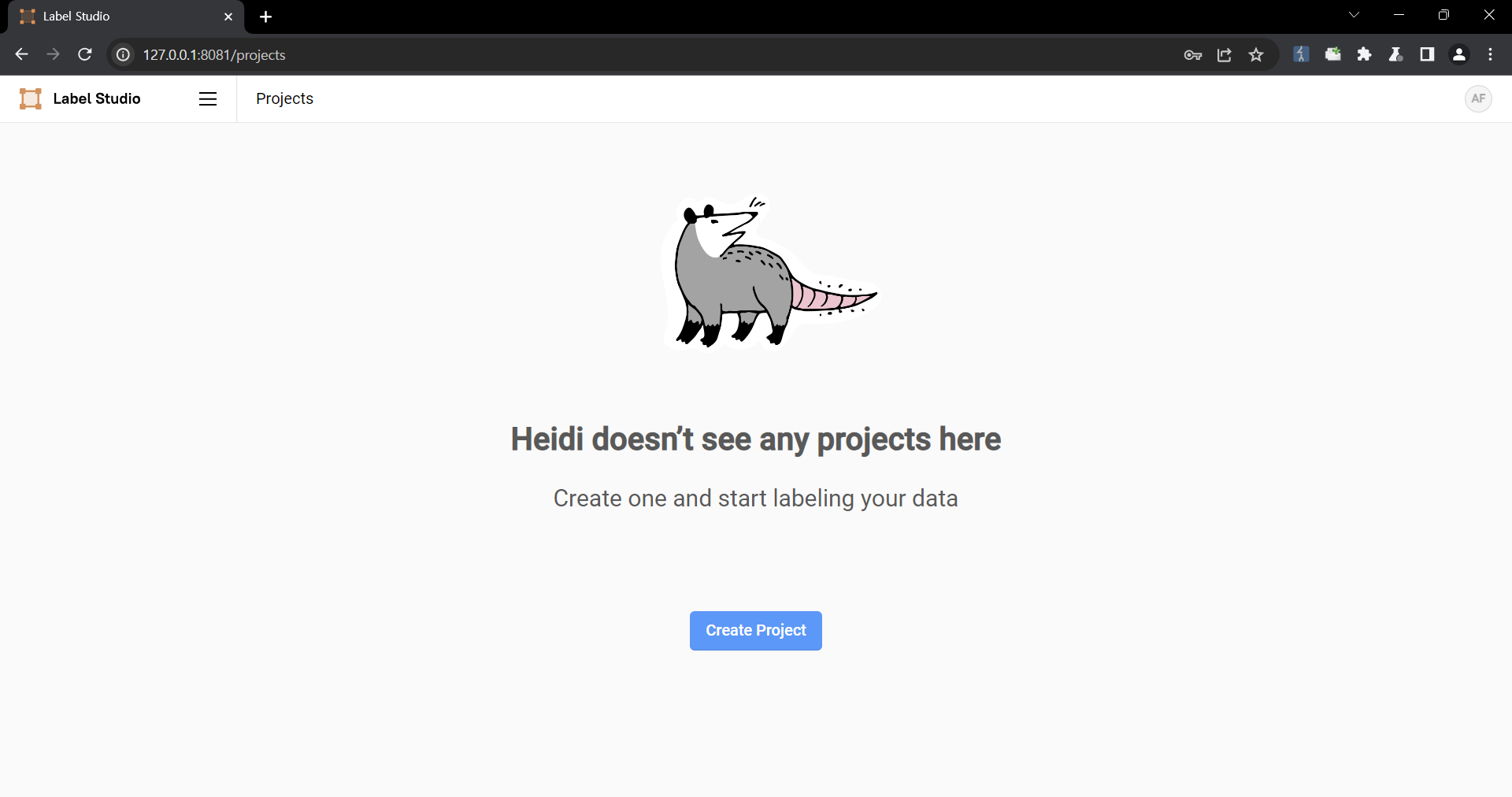 2. Upload a file containing the payload using the "Upload Files" function. 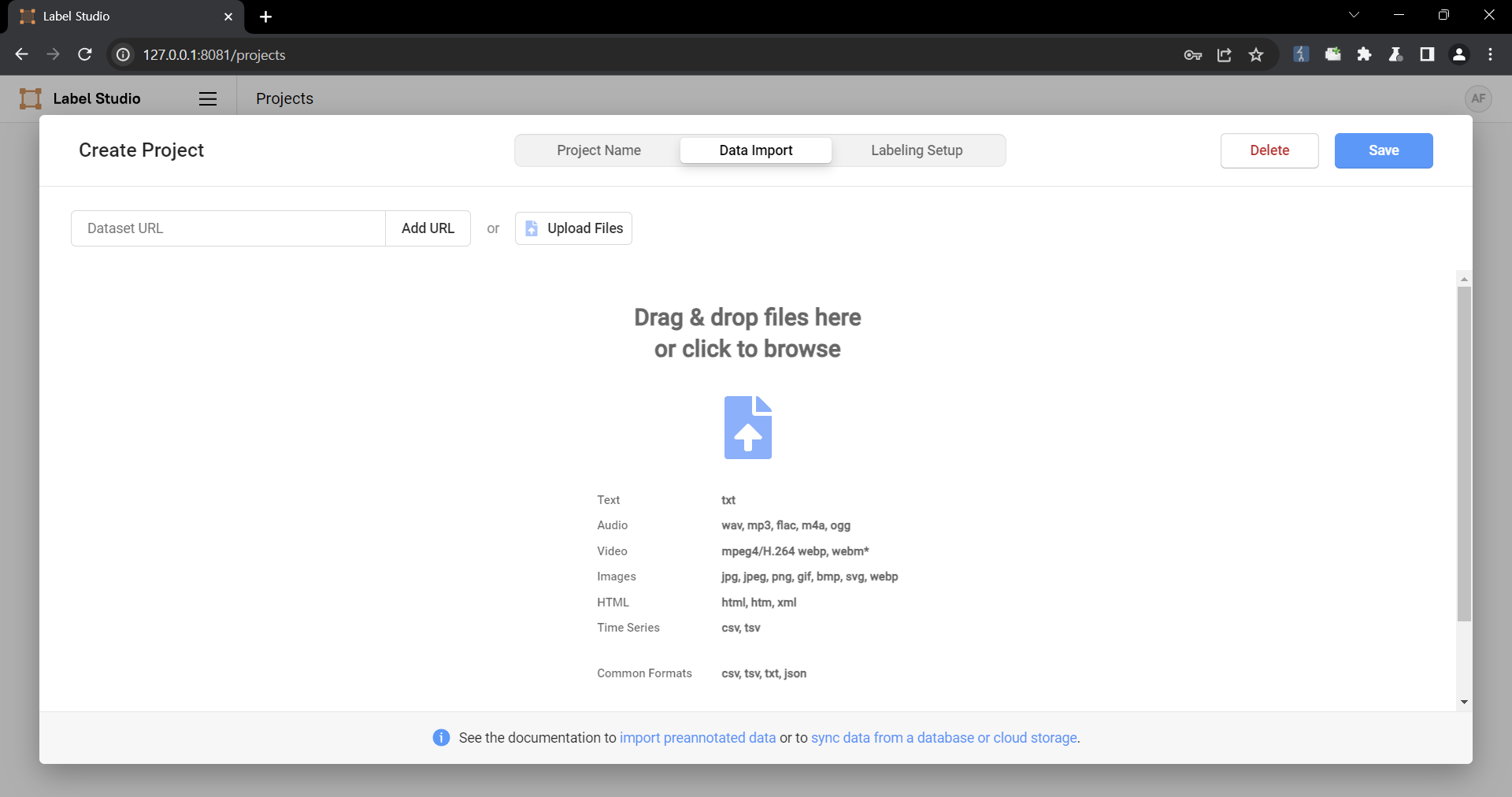 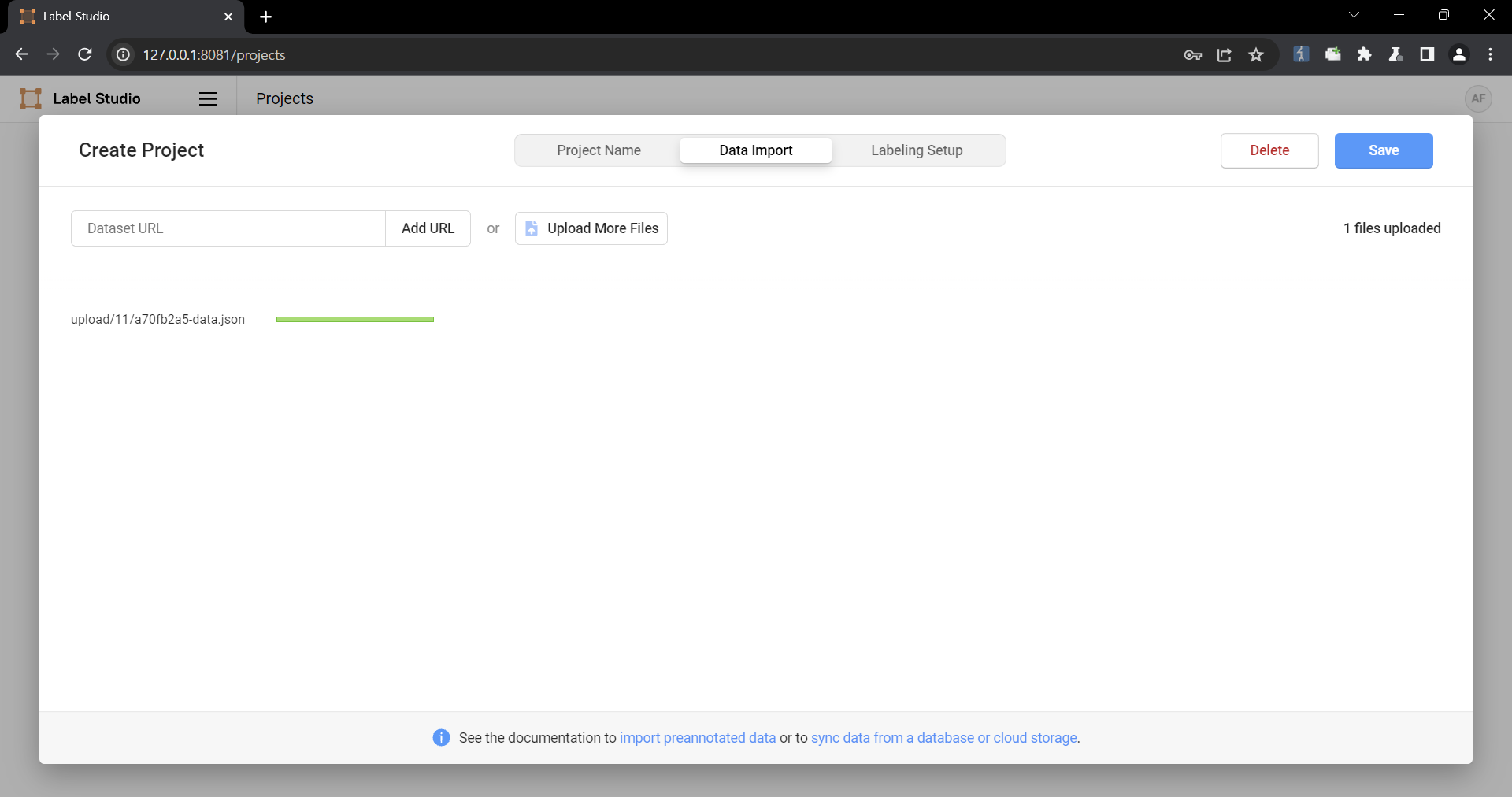 The following are the contents of the files used in the PoC ``` { "data": { "prompt": "labelstudio universe image", "images": [ { "value": "id123#0", "style": "margin: 5px", "html": "<img width='400' src='https://labelstud.io/_astro/images-tab.64279c16_ZaBSvC.avif' onload=alert(document.cookie)>" } ] } } ``` 3. Select the text-to-image generation labeling template of Ranking and scoring 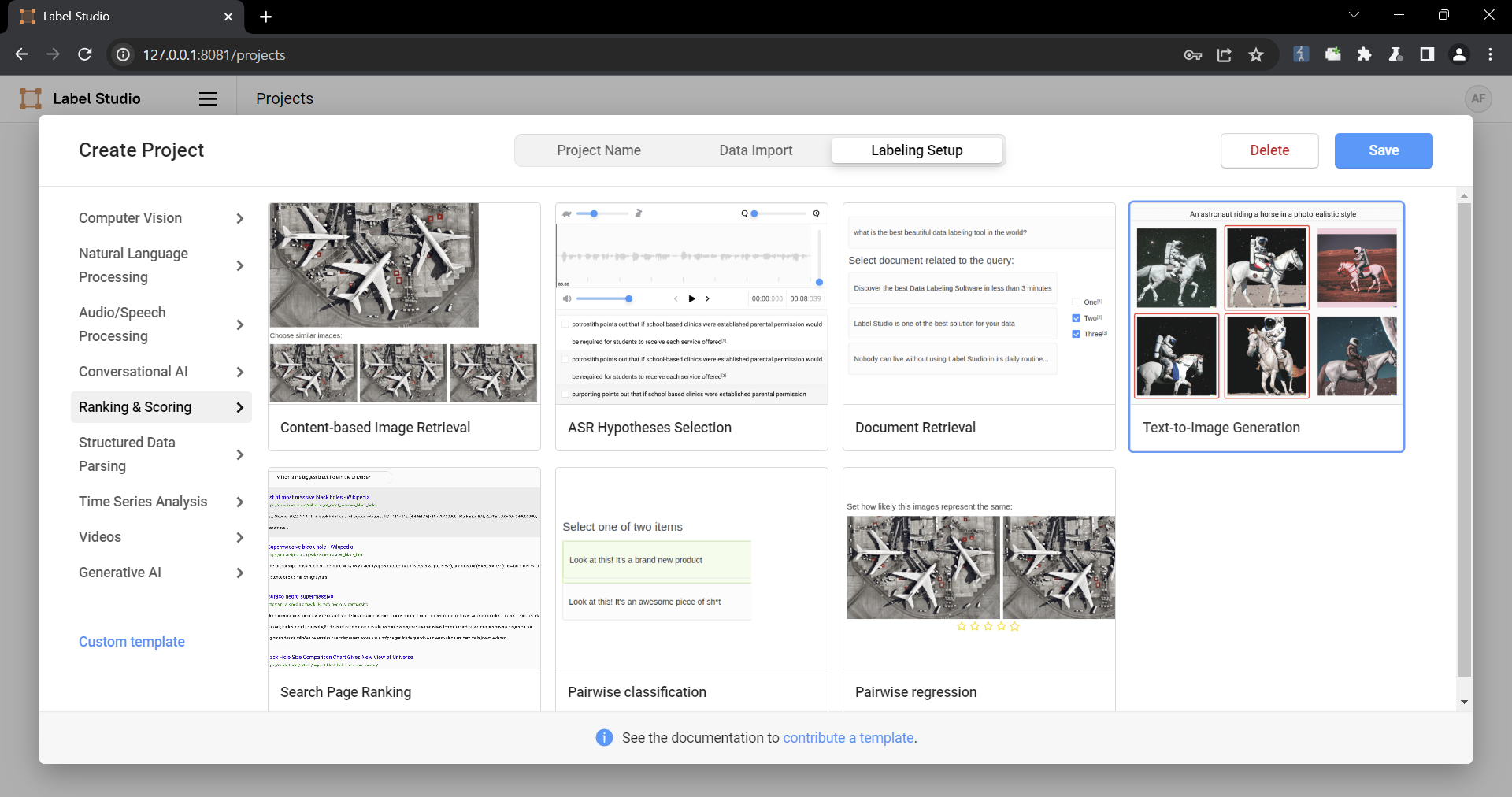 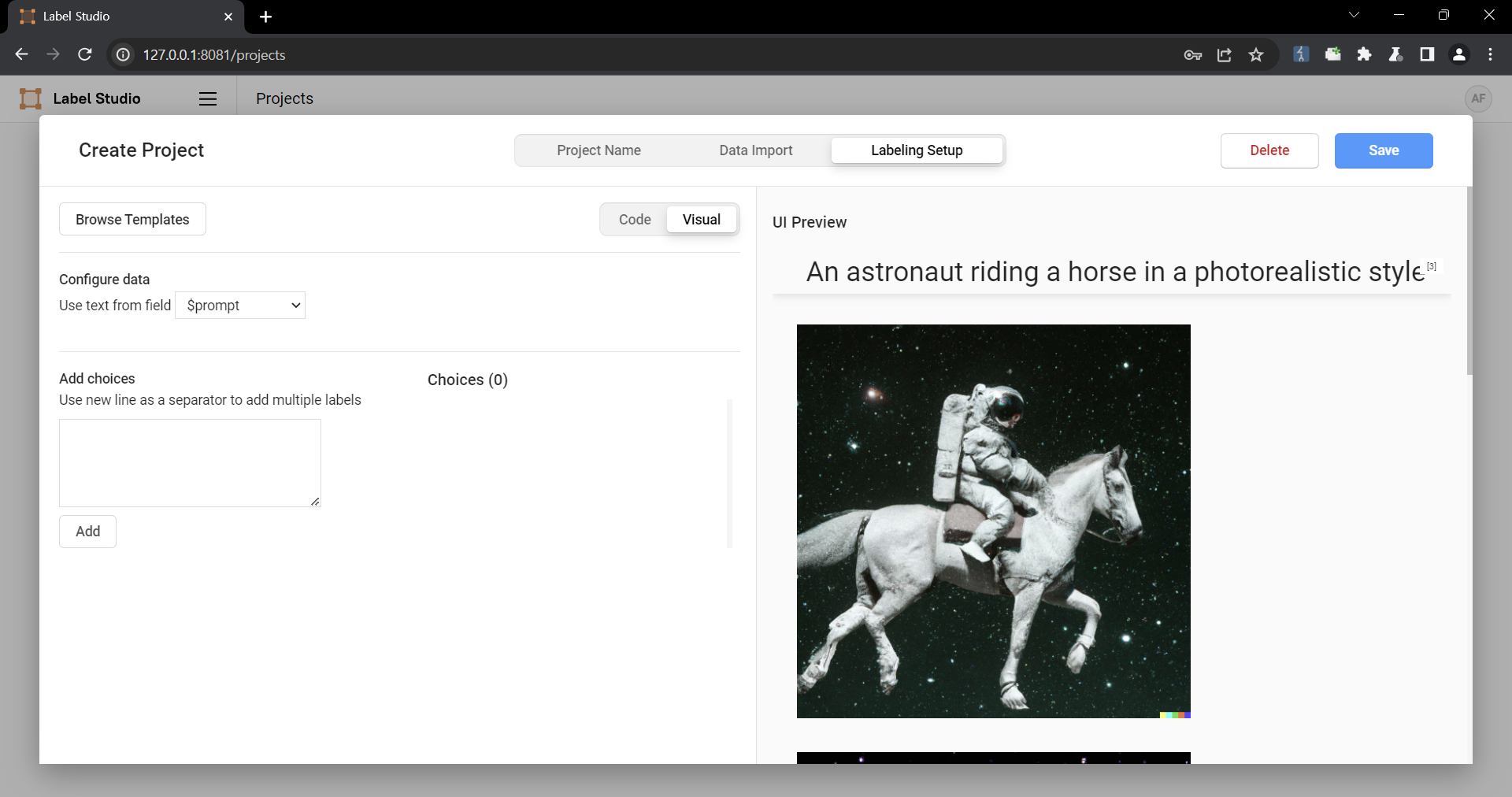 4. Select a task 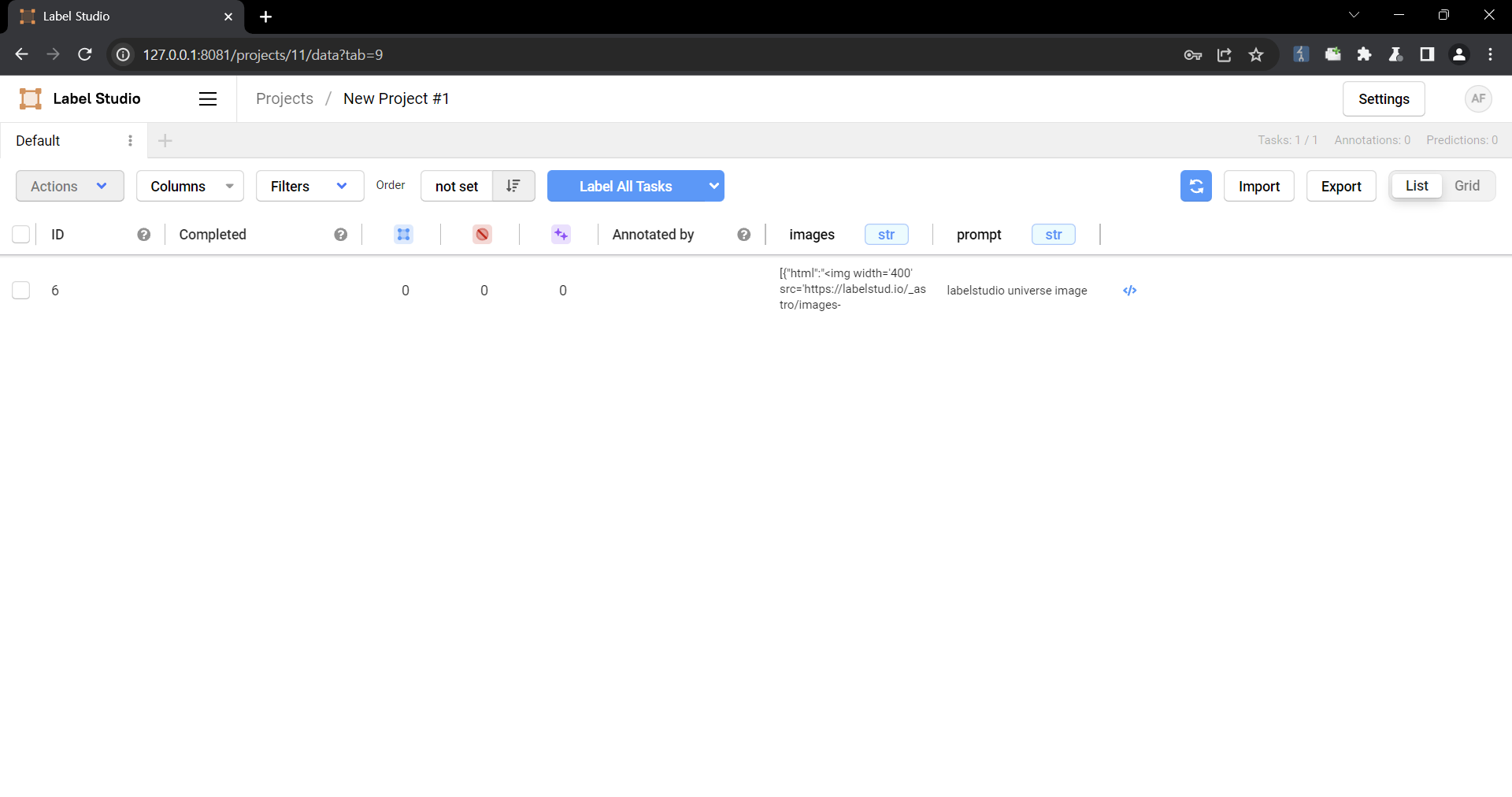 5. Check that the script is running 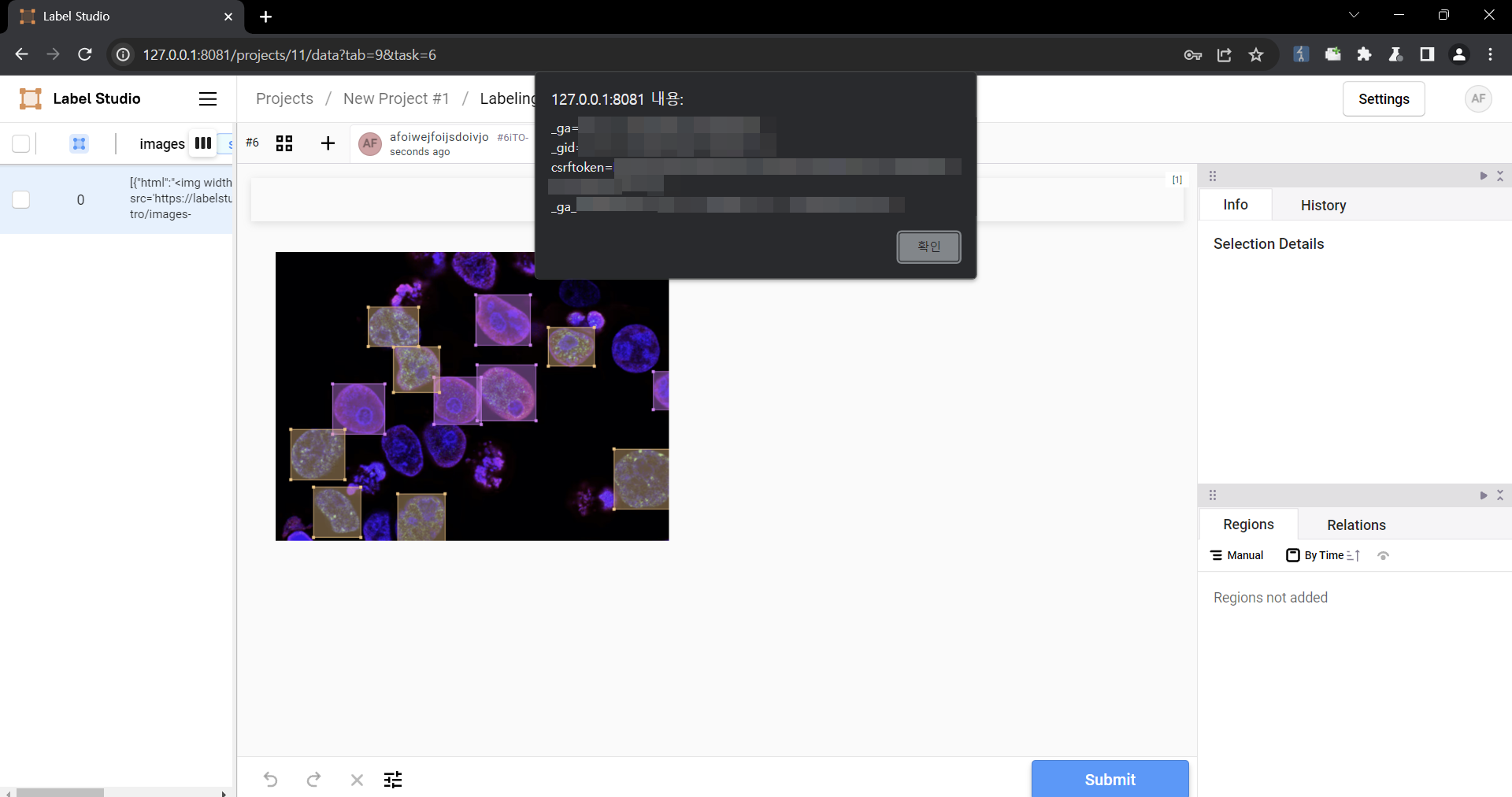 ### Impact Malicious scripts can be injected into the code, and when linked with vulnerabilities such as CSRF, it can cause even greater damage. In particular, It can become a source of further attacks, especially when linked to social engineering.
librespeed/speedtest is an open source, self-hosted speed test for HTML5. In affected versions missing neutralization of the ISP information in a speedtest result leads to stored Cross-site scripting in the JSON API. The `processedString` field in the `ispinfo` parameter is missing neutralization. It is stored when a user submits a speedtest result to the telemetry API (`results/telemetry.php`) and returned in the JSON API (`results/json.php`). This vulnerability has been introduced in commit 3937b94. This vulnerability affects LibreSpeed speedtest instances running version 5.2.5 or higher which have telemetry enabled and has been addressed in version 5.3.1. Users are advised to upgrade. There are no known workarounds for this vulnerability.
cPanel before 94.0.3 allows self-XSS via EasyApache 4 Save Profile (SEC-581).
XWiki Platform is a generic wiki platform offering runtime services for applications built on top of it. XWiki is vulnerable to reflected cross-site scripting (RXSS) via the `rev` parameter that is used in the content of the content menu without escaping. If an attacker can convince a user to visit a link with a crafted parameter, this allows the attacker to execute arbitrary actions in the name of the user, including remote code (Groovy) execution in the case of a user with programming right, compromising the confidentiality, integrity and availability of the whole XWiki installation. This has been patched in XWiki 15.6 RC1, 15.5.1 and 14.10.14. The patch in commit `04e325d57` can be manually applied without upgrading (or restarting) the instance. Users are advised to upgrade or to manually apply the patch. There are no known workarounds for this vulnerability.
Vulnerability in AMSS++ version 4.31, which does not sufficiently encode user-controlled input, resulting in a Cross-Site Scripting (XSS) vulnerability through /amssplus/modules/book/main/bookdetail_school_person.php, in the 'b_id' parameter. This vulnerability could allow a remote attacker to send a specially crafted URL to an authenticated user and steal their session cookie credentials.
The Page Builder: Pagelayer WordPress plugin before 1.7.7 doesn't prevent unauthenticated attackers from updating a post's header or footer code on scheduled posts.
Cross-site scripting (XSS) vulnerability in Online Examination System 1.0 via the w parameter to index.php.
Unauth. Reflected Cross-Site Scripting (XSS) vulnerability in ollybach WPPizza – A Restaurant Plugin plugin <= 3.18.2 versions.
Serenity before 6.8.0 allows XSS via an email link because LoginPage.tsx permits return URLs that do not begin with a / character.
Oxygen XML Web Author v26.0.0 and older and Oxygen Content Fusion v6.1 and older are vulnerable to Cross-Site Scripting (XSS) for malicious URLs.
A Cross-Site Scripting (XSS) vulnerability exists in Webmin 1.973 through the File Manager feature.
A cross-site scripting (XSS) vulnerability in the Submission module of Pkp Ojs v3.3 allows attackers to execute arbitrary web scripts or HTML via a crafted payload injected into the Input subject field under the Add Discussion function.
A cross-site scripting (XSS) vulnerability in Task Manager App v1.0 allows attackers to execute arbitrary web scripts or HTML via a crafted payload injected into the Project Name parameter /TaskManager/Projects.php.
Prior to this patch being applied, Mautic's tracking was vulnerable to Cross-Site Scripting through the Page URL variable.
Cross-site Scripting (XSS) - Reflected in GitHub repository instantsoft/icms2 prior to 2.16.1.
MyNET up to v26.05 was discovered to contain a reflected cross-site scripting (XSS) vulnerability via the msg parameter.
Improper Neutralization of Input During Web Page Generation ('Cross-site Scripting') vulnerability in Yordam MedasPro allows Reflected XSS.This issue affects MedasPro: before 28.
Improper neutralization of input in Nagvis before version 1.9.42 which can lead to XSS
A vulnerability was found in Campcodes Complete Web-Based School Management System 1.0. It has been declared as problematic. This vulnerability affects unknown code of the file /view/exam_timetable.php. The manipulation of the argument exam leads to cross site scripting. The attack can be initiated remotely. The exploit has been disclosed to the public and may be used. VDB-263626 is the identifier assigned to this vulnerability.
Improper Neutralization of Input During Web Page Generation ('Cross-site Scripting') vulnerability in Etoile Web Design Ultimate Reviews allows Stored XSS.This issue affects Ultimate Reviews: from n/a through 3.2.8.
There is a reflected XSS vulnerability in Esri Portal for ArcGIS versions 11.1 and below which may allow a remote, unauthenticated attacker to create a crafted link which when clicked could potentially execute arbitrary JavaScript code in the victim’s browser.
Discourse is an open source platform for community discussion. Prior to version 3.1.3 of the `stable` branch and version 3.2.0.beta3 of the `beta` and `tests-passed` branches, some links can inject arbitrary HTML tags when rendered through our Onebox engine. The issue is patched in version 3.1.3 of the `stable` branch and version 3.2.0.beta3 of the `beta` and `tests-passed` branches. There are no known workarounds.
Scriptcase v9.10.023 and before is vulnerable to Cross Site Scripting (XSS) in proj_new.php via the Descricao parameter.
A vulnerability was found in Campcodes Complete Web-Based School Management System 1.0. It has been declared as problematic. Affected by this vulnerability is an unknown functionality of the file /model/delete_record.php. The manipulation of the argument page leads to cross site scripting. The attack can be launched remotely. The exploit has been disclosed to the public and may be used. The identifier VDB-263797 was assigned to this vulnerability.
A cross-site scripting (XSS) vulnerability in Flatpress v1.3 allows attackers to execute arbitrary web scripts or HTML via a crafted payload injected into the username parameter in setup.php.
A cross-site scripting (XSS) vulnerability in the Header module of Enhavo CMS v0.13.1 allows attackers to execute arbitrary web scripts or HTML via a crafted payload injected into the Undertitle text field.
A vulnerability classified as problematic has been found in Campcodes Complete Web-Based School Management System 1.0. Affected is an unknown function of the file /view/create_events.php. The manipulation of the argument my_index leads to cross site scripting. It is possible to launch the attack remotely. The exploit has been disclosed to the public and may be used. The identifier of this vulnerability is VDB-263628.
Unauth. Reflected Cross-Site Scripting (XSS) vulnerability in StylemixThemes Motors – Car Dealer, Classifieds & Listing plugin <= 1.4.6 versions.
Cross Site Scripting (XSS) vulnerability exists in Eyoucms v1.4.7 and earlier via the addonfieldext parameter.
IBM Sterling Secure Proxy 6.0.3 and 6.1.0 is vulnerable to cross-site scripting. This vulnerability allows users to embed arbitrary JavaScript code in the Web UI thus altering the intended functionality potentially leading to credentials disclosure within a trusted session. IBM X-Force ID: 270973.
Unauth. Reflected Cross-Site Scripting (XSS) vulnerability in FLOWFACT WP Connector plugin <= 2.1.7 versions.
A Dom-based Cross-site scripting (XSS) vulnerability at registration account in Cyclos 4 PRO.14.7 and before allows remote attackers to inject arbitrary web script or HTML via the groupId parameter.
Indico is an event management system that uses Flask-Multipass, a multi-backend authentication system for Flask. In Indico prior to version 3.3.4, corresponding to Flask-Multipass prior to version 0.5.5, there is a Cross-Site-Scripting vulnerability during account creation when redirecting to the `next` URL. Exploitation requires initiating the account creation process with a maliciously crafted link, and then finalizing the signup process. Because of this, it can only target newly created (and thus unprivileged) Indico users. Indico 3.3.4 upgrades the dependency on Flask-Multipass to version 0.5.5, which fixes the issue. Those who build the Indico package themselves and cannot upgrade can update the `flask-multipass` dependency to `>=0.5.5` which fixes the vulnerability. Otherwise one could configure one's web server to disallow requests containing a query string with a `next` parameter that starts with `javascript:`.
A Cross-Site Scripting (XSS) vulnerability exists in Webmin 1.973 via the Upload and Download feature.
An issue was discovered in za-internet C-MOR Video Surveillance 5.2401. Due to improper input validation, the C-MOR web interface is vulnerable to reflected cross-site scripting (XSS) attacks. It was found out that different functions are prone to reflected cross-site scripting attacks due to insufficient user input validation.
An issue was discovered in Zimbra Collaboration (ZCS) through 10.1. A Cross-Site Scripting (XSS) vulnerability exists in Zimbra webmail due to insufficient validation of the content type metadata when importing files into the briefcase. Attackers can exploit this issue by crafting a file with manipulated metadata, allowing them to bypass content type checks and execute arbitrary JavaScript within the victim's session.
TYPO3 is an open source PHP based web content management system released under the GNU GPL. In affected versions DOM processing instructions are not handled correctly. This allows bypassing the cross-site scripting mechanism of typo3/html-sanitizer. This vulnerability has been addressed in versions 1.5.3 and 2.1.4. Users are advised to upgrade. There are no known workarounds for this vulnerability.
ckeditor-plugin-openlink is a plugin for the CKEditor JavaScript text editor that extends the context menu with a possibility to open a link in a new tab. A vulnerability in versions of the plugin prior to 1.0.7 allowed a user to execute JavaScript code by abusing the link href attribute. The fix is available starting with version 1.0.7.
An Improper Neutralization of Input During Web Page Generation ('Cross-site Scripting') vulnerability in Juniper Networks Junos Space allows an attacker to inject script tags in the Generate Report page that, when visited by another user, enables the attacker to execute commands with the target's permissions, including an administrator. This issue affects all versions of Junos Space before 24.1R4.
Vulnerability in AMSS++ version 4.31, which does not sufficiently encode user-controlled input, resulting in a Cross-Site Scripting (XSS) vulnerability through /amssplus/admin/index.php, in multiple parameters. This vulnerability could allow a remote attacker to send a specially crafted URL to an authenticated user and steal their session cookie credentials.
http-swagger before 1.2.6 allows XSS via PUT requests, because a file that has been uploaded (via httpSwagger.WrapHandler and *webdav.memFile) can subsequently be accessed via a GET request. NOTE: this is independently fixable with respect to CVE-2022-24863, because (if a solution continued to allow PUT requests) large files could have been blocked without blocking JavaScript, or JavaScript could have been blocked without blocking large files.
ZenTao Enterprise Edition version 4.1.3 and before is vulnerable to Cross Site Scripting (XSS).
All versions of ETIC Telecom Remote Access Server (RAS) prior to 4.5.0 are vulnerable to reflected cross site scripting (XSS) attacks in the method parameter. The ETIC RAS web server uses dynamic pages that gets their input from the client side and reflects the input in its response to the client.
A vulnerability classified as problematic was found in TOTVS RM 12.1. Affected by this vulnerability is an unknown functionality of the component Portal. The manipulation of the argument d leads to cross site scripting. The attack can be launched remotely. The identifier VDB-238573 was assigned to this vulnerability. NOTE: The vendor was contacted early about this disclosure but did not respond in any way.
Cross Site Scripting vulnerability in MLDB.ai v.2017.04.17.0 allows a remote attacker to execute arbitrary code via a crafted payload to the public_html/doc/index.html.