A vulnerability classified as problematic has been found in CodeAstro Internet Banking System 1.0. This affects an unknown part of the file pages_withdraw_money.php. The manipulation of the argument account_number with the input 287359614--><ScRiPt%20>alert(1234)</ScRiPt><!-- leads to cross site scripting. It is possible to initiate the attack remotely. The exploit has been disclosed to the public and may be used. The associated identifier of this vulnerability is VDB-243135.
Multiple cross-site scripting (XSS) vulnerabilities in Cloudera Manager 5.5 and earlier allow remote attackers to inject arbitrary web script or HTML via the (1) Template Name field when renaming a template; (2) KDC Server host, (3) Kerberos Security Realm, (4) Kerberos Encryption Types, (5) Advanced Configuration Snippet (Safety Valve) for [libdefaults] section of krb5.conf, (6) Advanced Configuration Snippet (Safety Valve) for the Default Realm in krb5.conf, (7) Advanced Configuration Snippet (Safety Valve) for remaining krb5.conf, or (8) Active Directory Account Prefix fields in the Kerberos wizard; or (9) classicWizard parameter to cmf/cloudera-director/redirect.
Cross-site scripting (XSS) vulnerability in productSearch.html in Censura 2.0.4 and 2.1.0 allows remote attackers to inject arbitrary web script or HTML via the q parameter in a ProductSearch action.
Cross-site scripting (XSS) vulnerability in Free Arcade Script 1.3 allows remote attackers to inject arbitrary web script or HTML via the keyword parameter to the default URI under search/.
Multiple cross-site scripting (XSS) vulnerabilities in the ASUS RT-G32 routers with firmware 2.0.2.6 and 2.0.3.2 allow remote attackers to inject arbitrary web script or HTML via the (1) next_page, (2) group_id, (3) action_script, or (4) flag parameter to start_apply.htm.
Cross-site scripting (XSS) vulnerability in member.php in MyBB (aka MyBulletinBoard) before 1.8.4 allows remote attackers to inject arbitrary web script or HTML via unspecified vectors.
Improper Neutralization of Input During Web Page Generation ('Cross-site Scripting') vulnerability in Drupal Drupal core allows Cross-Site Scripting (XSS).This issue affects Drupal core: from 8.0.0 before 10.3.13, from 10.4.0 before 10.4.3, from 11.0.0 before 11.0.12, from 11.1.0 before 11.1.3.
Cross-site scripting (XSS) vulnerability in Advanced Forum 5.x before 5.x-1.1 and 6.x before 6.x-1.1, a module for Drupal, allows remote attackers to inject arbitrary web script or HTML via unspecified vectors.
Cross-site scripting (XSS) vulnerability in index.php in JNM Guestbook 3.0 allows remote attackers to inject arbitrary web script or HTML via the page parameter.
jcore/portal/ajaxPortal.jsp in Jalios JCMS 10.0.2 build-20200224104759 allows XSS via the types parameter. Note: It is asserted that this vulnerability is not present in the standard installation of Jalios JCMS
A vulnerability, which was classified as problematic, has been found in oretnom23 Fast Food Ordering System. This issue affects some unknown processing of the file admin/?page=reports. The manipulation of the argument date leads to cross site scripting. The attack may be initiated remotely. The identifier VDB-207425 was assigned to this vulnerability.
Multiple cross-site scripting (XSS) vulnerabilities in usercp.php in MyBulletinBoard (MyBB) 1.02 allow remote attackers to inject arbitrary web script or HTML via the (1) notepad parameter in a notepad action and (2) signature parameter in an editsig action. NOTE: These are different attack vectors, and probably a different vulnerability, than CVE-2006-0218 and CVE-2006-0219.
FTAPI 4.0 - 4.10 allows XSS via a crafted filename to the alternative text hover box in the file submission component.
Improper Neutralization of Input During Web Page Generation ("Cross-site Scripting") vulnerability in Drupal SAML SSO - Service Provider allows Cross-Site Scripting (XSS).This issue affects SAML SSO - Service Provider: from 0.0.0 before 3.1.3.
Cross-site scripting (XSS) vulnerability in the login interface (my.logon.php3) in F5 FirePass SSL VPN 5.5 through 5.5.2 and 6.0 through 6.0.3 allows remote attackers to inject arbitrary web script or HTML via a base64-encoded xcho parameter.
Multiple cross-site scripting (XSS) vulnerabilities in Campus Virtual-LMS allow remote attackers to inject arbitrary web script or HTML via the (1) courseid parameter to enrolments/step1.php, or the (2) search or (3) siteid parameter to files/shared_list.php.
A vulnerability classified as problematic was found in SourceCodester Simple Task Managing System. This vulnerability affects unknown code. The manipulation of the argument student_add leads to cross site scripting. The attack can be initiated remotely. The identifier of this vulnerability is VDB-207424.
Incomplete blacklist vulnerability in includes/upload/UploadBase.php in MediaWiki before 1.19.24, 1.2x before 1.23.9, and 1.24.x before 1.24.2 allows remote attackers to inject arbitrary web script or HTML via an application/xml MIME type for a nested SVG with a data: URI.
Multiple cross-site scripting (XSS) vulnerabilities in admin.php in SkyBlueCanvas 1.1 r237 allow remote attackers to inject arbitrary web script or HTML via the (1) mgroup, (2) mgr, (3) objtype, (4) id, and (5) dir parameters.
A cross site scripting (XSS) vulnerability in the Markdown Editor component of Typora v1.6.7 allows attackers to execute arbitrary code via uploading a crafted Markdown file.
Joomla Solidres 2.13.3 contains a reflected cross-site scripting vulnerability that allows unauthenticated attackers to inject malicious scripts by manipulating multiple GET parameters including show, reviews, type_id, distance, facilities, categories, prices, location, and Itemid. Attackers can craft malicious URLs containing JavaScript payloads in these parameters to steal session tokens, login credentials, or manipulate site content when victims visit the crafted links.
The course upload preview contained an XSS risk for users uploading unsafe data.
Cross-site scripting (XSS) vulnerability in WebAccess in VMware VirtualCenter 2.0.2 and 2.5 and VMware ESX 3.0.3 and 3.5 allows remote attackers to inject arbitrary web script or HTML via vectors related to "context data."
Cross-site scripting (XSS) vulnerability in public/index.php in Linea21 1.2.1 allows remote attackers to inject arbitrary web script or HTML via the search parameter in a resultats-recherche action.
Cross-site scripting (XSS) vulnerability in people.php in Zoph before 0.7.0.6 allows remote attackers to inject arbitrary web script or HTML via unspecified vectors. NOTE: some of these details are obtained from third party information.
Multiple cross-site scripting (XSS) vulnerabilities in Michael Salzer Guestbox 0.6, and other versions before 0.8, allow remote attackers to inject arbitrary web script or HTML via (1) HTML tags that follow a "http://" string, which bypasses a regular expression check, and (2) other unspecified attack vectors.
Unhead is a document head and template manager. Prior to 2.1.11, useHeadSafe() can be bypassed to inject arbitrary HTML attributes, including event handlers, into SSR-rendered <head> tags. This is the composable that Nuxt docs recommend for safely handling user-generated content. The acceptDataAttrs function (safe.ts, line 16-20) allows any property key starting with data- through to the final HTML. It only checks the prefix, not whether the key contains spaces or other characters that break HTML attribute parsing. This vulnerability is fixed in 2.1.11.
Adobe Connect versions 12.8 and earlier are affected by a stored Cross-Site Scripting (XSS) vulnerability that could be abused by an attacker to inject malicious scripts into vulnerable form fields. Malicious JavaScript may be executed in a victim’s browser when they browse to the page containing the vulnerable field.
The WP Pro Real Estate 7 WordPress theme before 3.1.1 did not properly sanitise the ct_community parameter in its search listing page before outputting it back in it, leading to a reflected Cross-Site Scripting which can be triggered in both unauthenticated or authenticated user context
AmazCart CMS 3.4 contains a reflected cross-site scripting vulnerability that allows unauthenticated attackers to inject malicious scripts by submitting payloads through the search functionality. Attackers can enter script tags in the search box to execute arbitrary JavaScript that fires when search history is viewed or results are displayed.
Persistent Cross-Site Scripting (XSS) vulnerability in Alexander Stokmann's Code Snippets Extended plugin <= 1.4.7 on WordPress via Cross-Site Request Forgery (vulnerable parameters &title, &snippet_code).
Cross-site scripting (XSS) vulnerability in the XOOPS MANIAC PukiWikiMod module 1.6.6.2 and earlier for XOOPS allows remote attackers to inject arbitrary web script or HTML via unspecified vectors.
Cross-site scripting (XSS) vulnerability in WebKit/Source/platform/v8_inspector/V8Debugger.cpp in Blink, as used in Google Chrome before 53.0.2785.89 on Windows and OS X and before 53.0.2785.92 on Linux, allows remote attackers to inject arbitrary web script or HTML into the Developer Tools (aka DevTools) subsystem via a crafted web site, aka "Universal XSS (UXSS)."
Joomla JLex Review 6.0.1 contains a reflected cross-site scripting vulnerability that allows attackers to inject malicious scripts by manipulating the review_id URL parameter. Attackers can craft malicious links containing JavaScript payloads that execute in victims' browsers when clicked, enabling session hijacking or credential theft.
Cross-site scripting (XSS) vulnerability in passwd/main.php in the Passwd module before 3.1.1 for Horde allows remote attackers to inject arbitrary web script or HTML via the backend parameter.
Cross-site scripting (XSS) vulnerability in the Navigate bar in the Navigate module before 6.x-1.1 and 7.x-1.x before 7.x-1.1 for Drupal allows remote attackers to inject arbitrary web script or HTML via unspecified vectors.
Multiple cross-site scripting (XSS) vulnerabilities in the help jsp scripts in Sun Java Web Console 3.0.2 through 3.0.5, and Sun Java Web Console in Solaris 10, allow remote attackers to inject arbitrary web script or HTML via unspecified vectors.
Cross-site scripting (XSS) vulnerability in Calacode @Mail 4.3 allows remote attackers to inject arbitrary web script or HTML via a modified javascript: string in the SRC attribute of an IMG element in an e-mail message, as demonstrated by "java	script:." NOTE: the provenance of this information is unknown; the details are obtained solely from third party information.
Cross-site scripting vulnerability in eintrag.php in Gästebuch (Gastebuch) before 1.3.3 allows remote attackers to inject arbitrary web script or HTML via the URL, which is used in the homepage parameter.
Cross-site scripting (XSS) vulnerability in cgi-bin/hotspotlogin.cgi in Hotspot Express hotEx Billing Manager 73 allows remote attackers to inject arbitrary web script or HTML via the reply parameter.
Multiple cross-site scripting (XSS) vulnerabilities in the WP Media Cleaner plugin 2.2.6 for WordPress allow remote attackers to inject arbitrary web script or HTML via the (1) view, (2) paged, or (3) s parameter in the wp-media-cleaner page to wp-admin/upload.php.
The Estatik Real Estate Plugin WordPress plugin before 4.1.1 does not sanitise and escape various parameters and generated URLs before outputting them back in attributes, leading to Reflected Cross-Site Scripting which could be used against high privilege users such as admin
### Summary On all Label Studio versions prior to 1.11.0, data imported via file upload feature is not properly sanitized prior to being rendered within a [`Choices`](https://labelstud.io/tags/choices) or [`Labels`](https://labelstud.io/tags/labels) tag, resulting in an XSS vulnerability. ### Details Need permission to use the "data import" function. This was reproduced on Label Studio 1.10.1. ### PoC 1. Create a project. 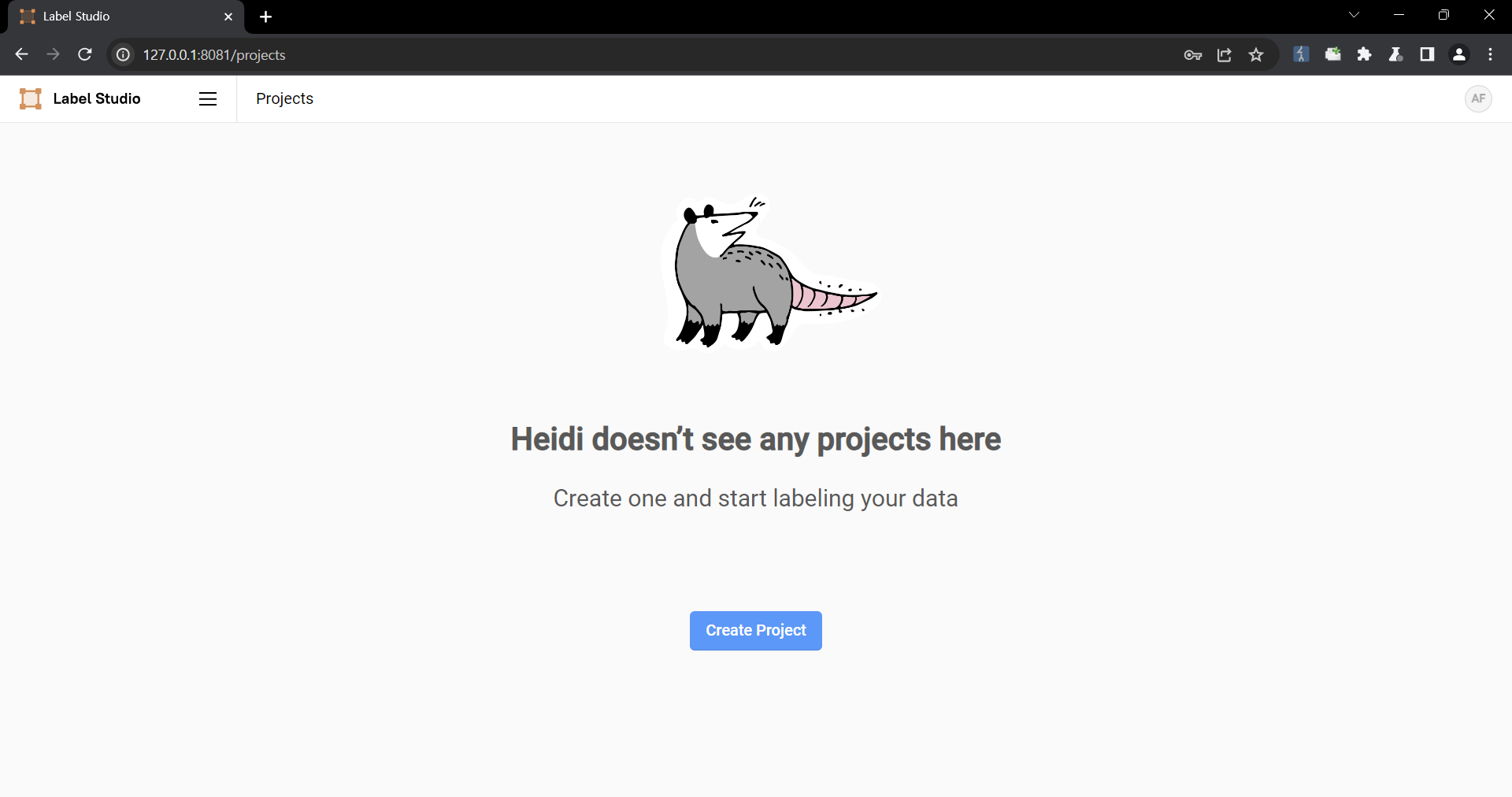 2. Upload a file containing the payload using the "Upload Files" function. 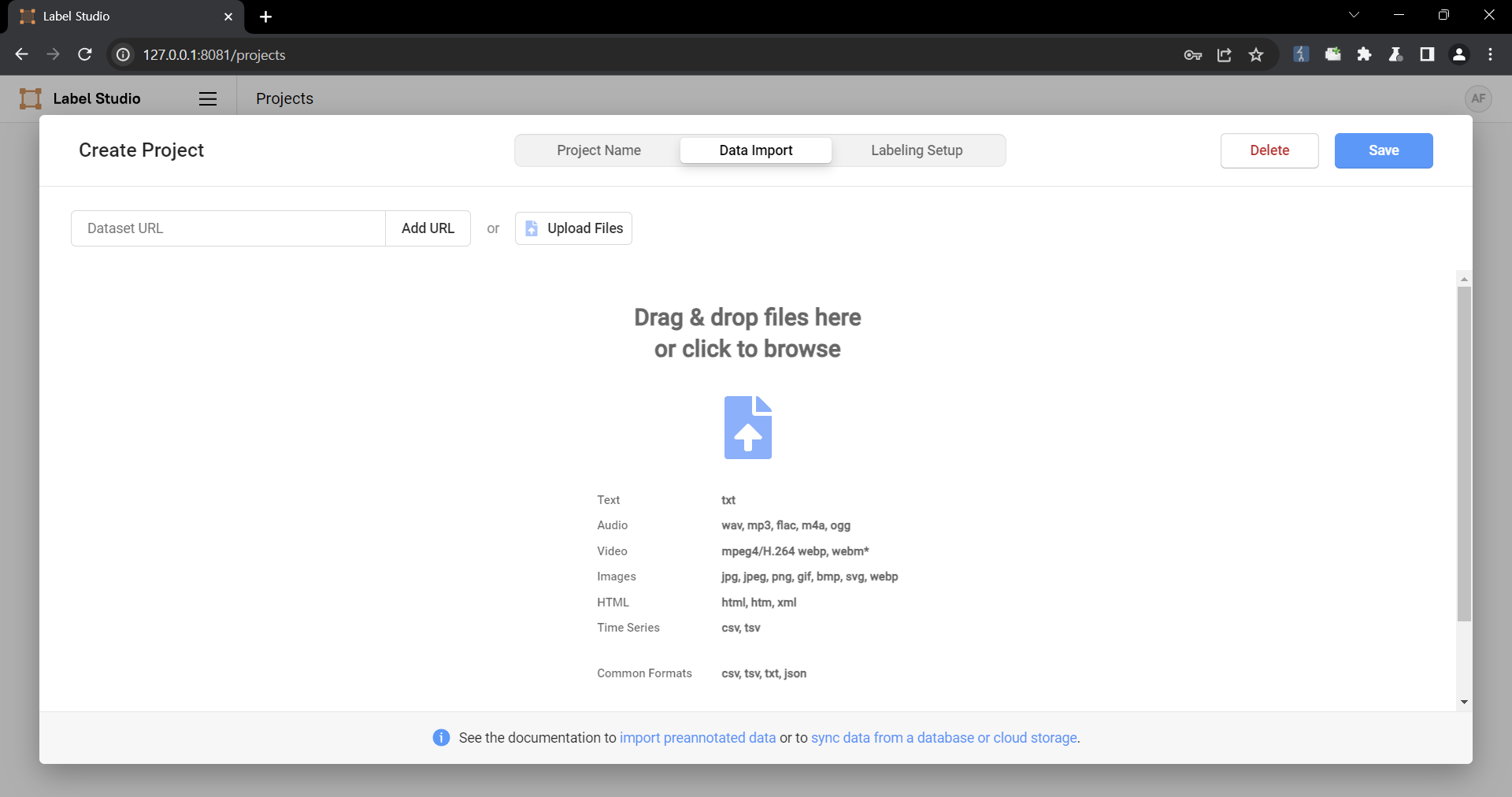 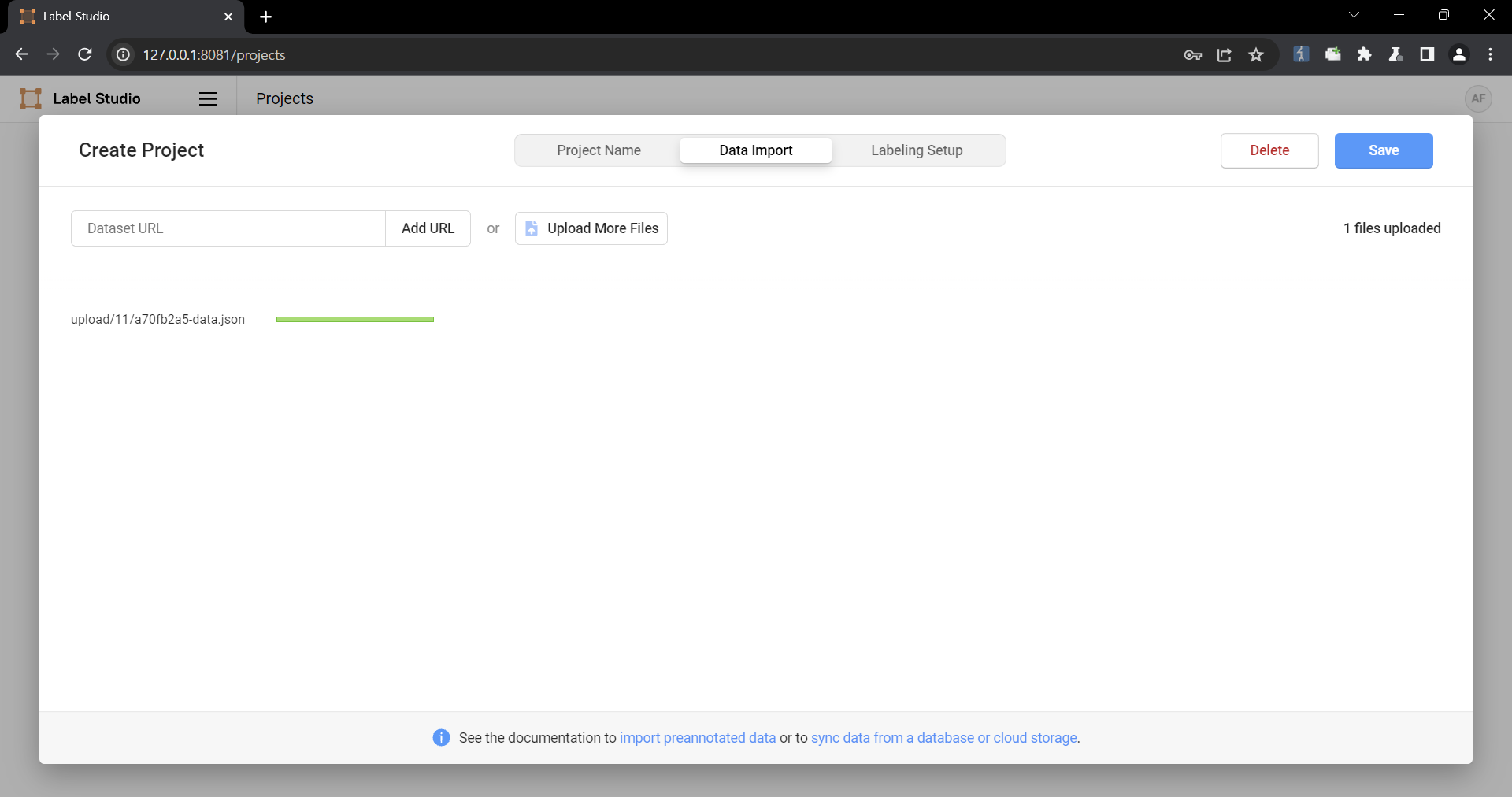 The following are the contents of the files used in the PoC ``` { "data": { "prompt": "labelstudio universe image", "images": [ { "value": "id123#0", "style": "margin: 5px", "html": "<img width='400' src='https://labelstud.io/_astro/images-tab.64279c16_ZaBSvC.avif' onload=alert(document.cookie)>" } ] } } ``` 3. Select the text-to-image generation labeling template of Ranking and scoring 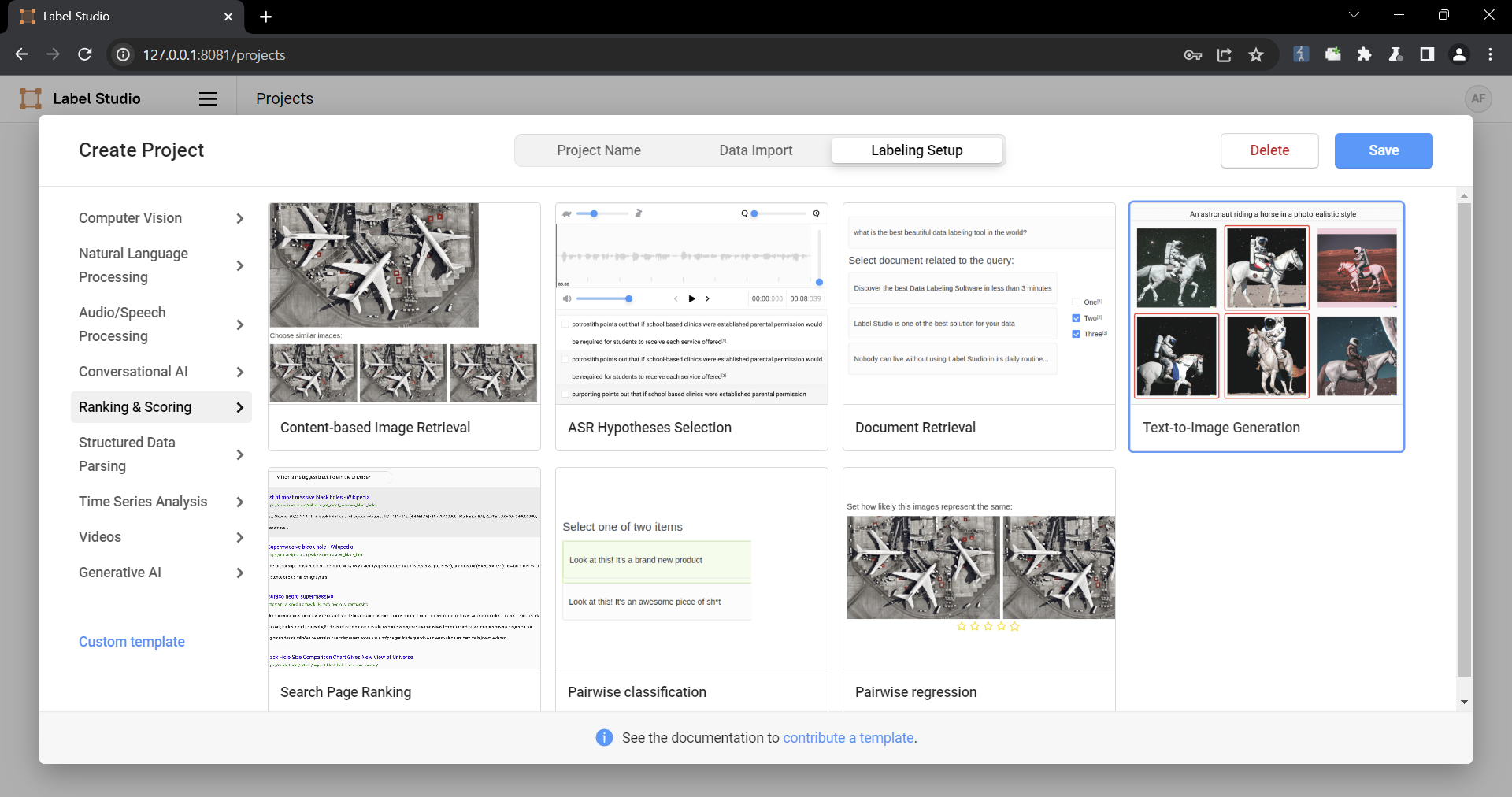 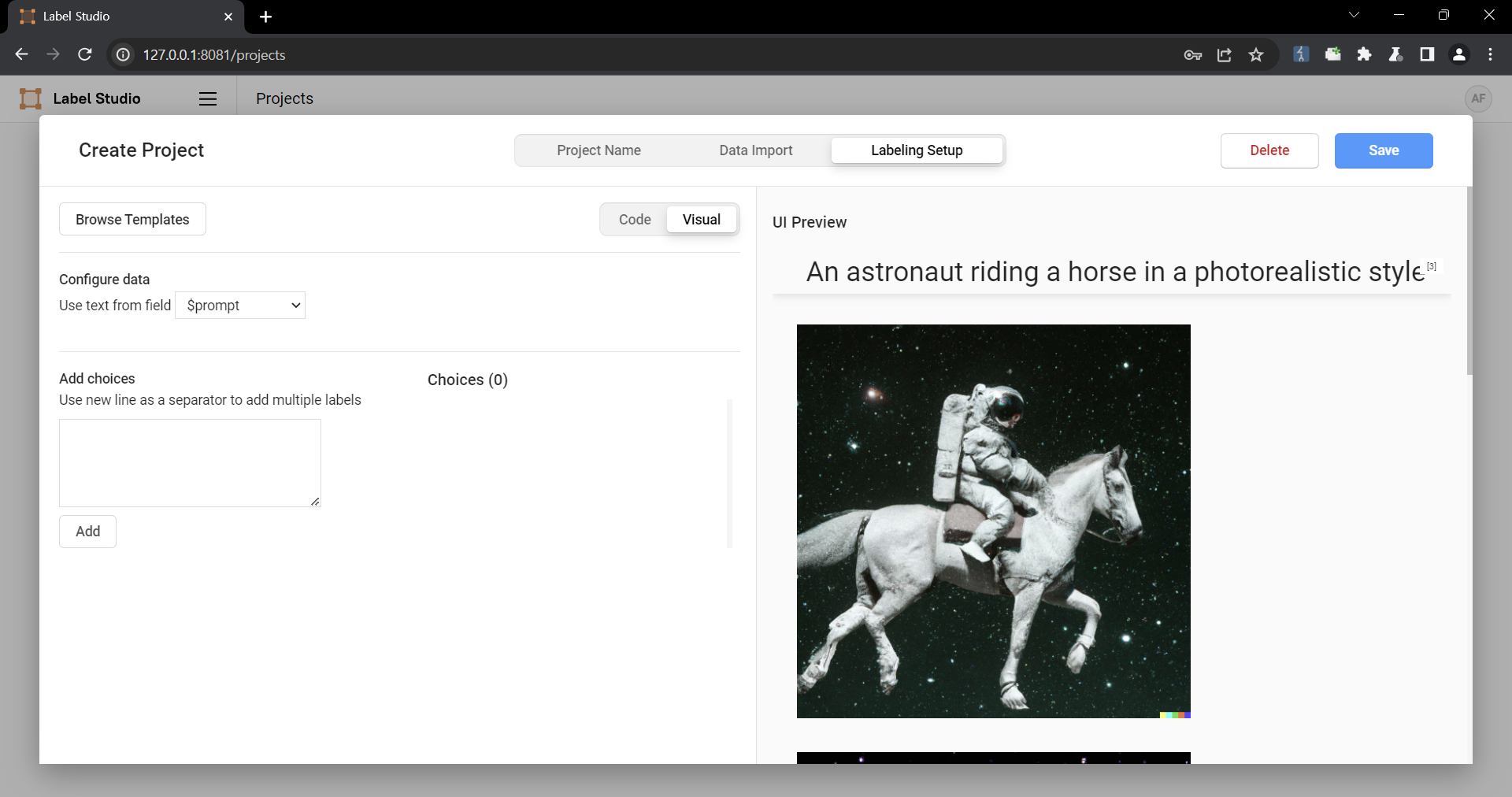 4. Select a task 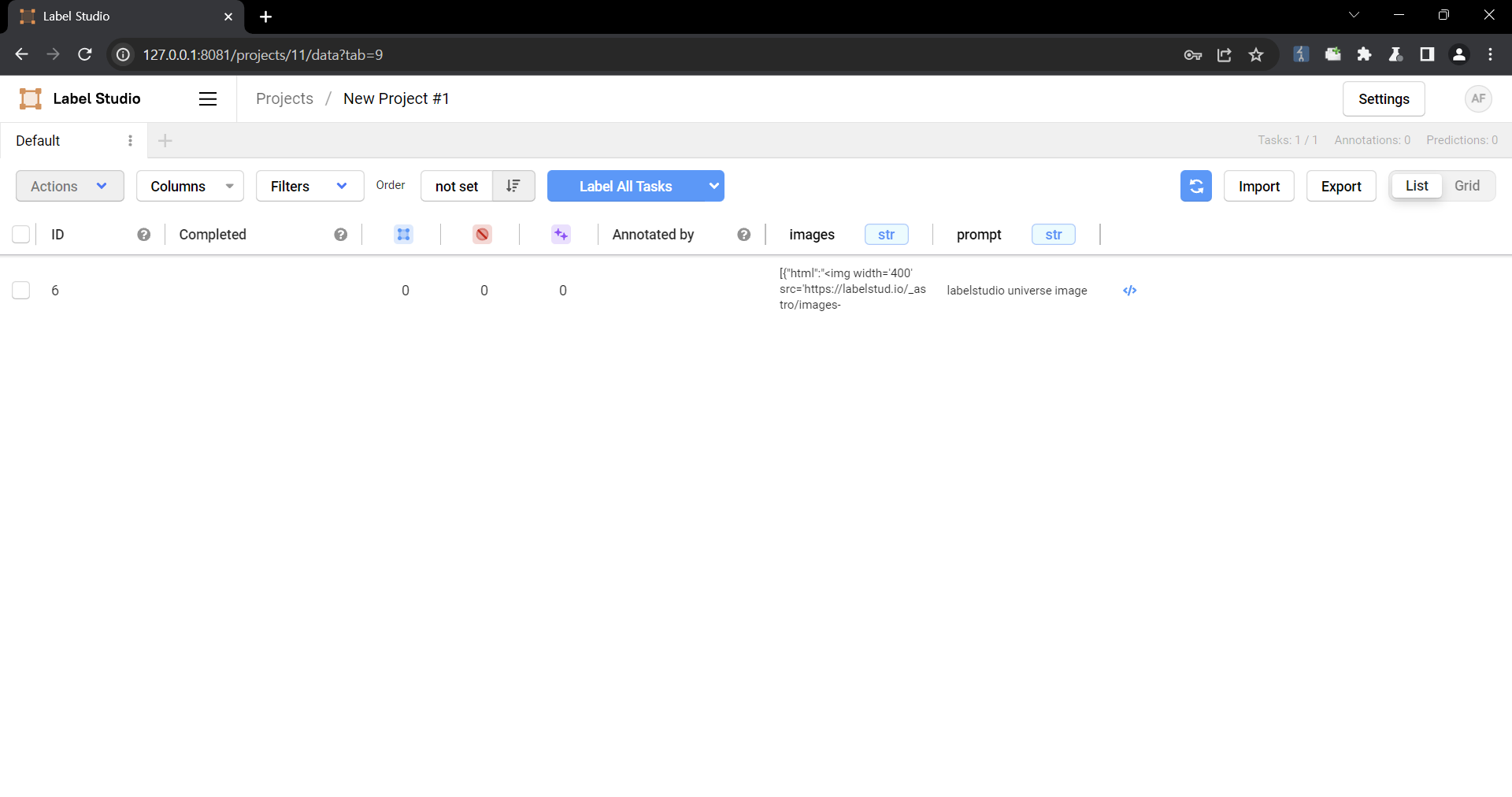 5. Check that the script is running 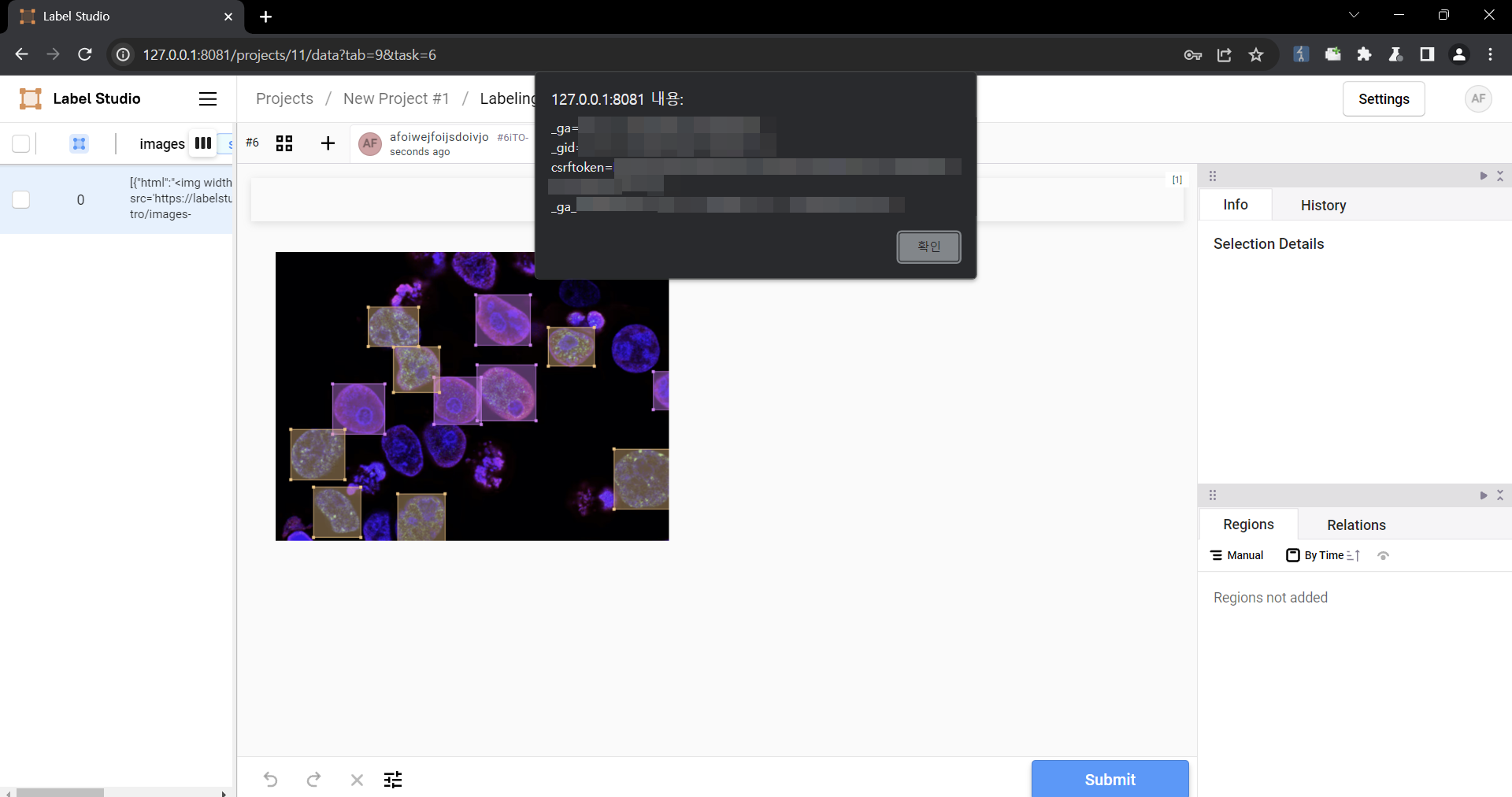 ### Impact Malicious scripts can be injected into the code, and when linked with vulnerabilities such as CSRF, it can cause even greater damage. In particular, It can become a source of further attacks, especially when linked to social engineering.
Proofpoint Enterprise Protection contains a stored XSS vulnerability in the AdminUI. An unauthenticated attacker can send a specially crafted email with HTML in the subject which triggers XSS when viewing quarantined messages. This issue affects Proofpoint Enterprise Protection: from 8.20.0 before patch 4796, from 8.18.6 before patch 4795 and all other prior versions.
Cross-site scripting (XSS) vulnerability in FreeNAS before 0.69.2 allows remote attackers to inject arbitrary web script or HTML via unknown vectors.
Cross-site scripting (XSS) vulnerability in ogp_show.php in Online Guestbook Pro 5.1 allows remote attackers to inject arbitrary web script or HTML via the entry parameter.
A vulnerability was found in Campcodes Simple Student Information System 1.0. It has been declared as problematic. This vulnerability affects unknown code of the file /admin/students/manage_academic.php. The manipulation of the argument student_id leads to cross site scripting. The attack can be initiated remotely. The exploit has been disclosed to the public and may be used. VDB-244330 is the identifier assigned to this vulnerability.
Cross-site scripting (XSS) vulnerability in u2u.php in XMB Forums 1.9.3 and earlier allows remote attackers to inject arbitrary web script or HTML via the username parameter, as demonstrated using a URL-encoded iframe tag.
Inappropriate implementation in Payments in Google Chrome prior to 119.0.6045.105 allowed a remote attacker to bypass XSS preventions via a malicious file. (Chromium security severity: High)
Cross-site scripting (XSS) vulnerability in Login.aspx in UNIT4 Prosoft HRMS before 8.14.330.43 allows remote attackers to inject arbitrary web script or HTML via the txtUserID parameter.