The Flo Forms – Easy Drag & Drop Form Builder plugin for WordPress is vulnerable to Stored Cross-Site Scripting via SVG file uploads in all versions up to, and including, 1.0.43. This is due to the plugin allowing SVG file uploads via an unauthenticated AJAX endpoint (`flo_form_submit`) without proper file content validation. This makes it possible for unauthenticated attackers to upload malicious SVG files containing JavaScript that executes when an administrator views the uploaded file in the WordPress admin interface, leading to potential full site compromise.
The Pricing Table by Supsystic WordPress plugin before 1.9.5 does not escape the tab parameter before outputting it back in an attribute in the admin dashboard, leading to a Reflected Cross-Site Scripting
Querybook is a user interface for querying big data. Prior to version 3.31.1, there is a vulnerability in Querybook's rich text editor that enables users to input arbitrary URLs without undergoing necessary validation. This particular security flaw allows the use of `javascript:` protocol which can potentially trigger arbitrary client-side execution. The most extreme exploit of this flaw could occur when an admin user unknowingly clicks on a cross-site scripting URL, thereby unintentionally compromising admin role access to the attacker. A patch to rectify this issue has been introduced in Querybook version `3.31.1`. The fix is backward compatible and automatically fixes existing DataDocs. There are no known workarounds for this issue, except for manually checking each URL prior to clicking on them.
A vulnerability has been found in Campcodes Online Job Finder System 1.0 and classified as problematic. This vulnerability affects unknown code of the file /admin/applicants/controller.php. The manipulation of the argument JOBREGID leads to cross site scripting. The attack can be initiated remotely. The exploit has been disclosed to the public and may be used. VDB-257386 is the identifier assigned to this vulnerability.
A XSS vulnerability exist in Pandora FMS version 756 and below, that allows an attacker to perform javascript code executions via the transactional maps name field.
A XSS vulnerability exist in Pandora FMS version 756 and below, that allows an attacker to perform javascript code executions via the service name field.
Netgen Tags Bundle 3.4.x before 3.4.11 and 4.0.x before 4.0.15 allows XSS in the Tags Admin interface.
A vulnerability classified as problematic was found in Campcodes Online Job Finder System 1.0. Affected by this vulnerability is an unknown functionality of the file /admin/company/index.php. The manipulation of the argument view leads to cross site scripting. The attack can be launched remotely. The exploit has been disclosed to the public and may be used. The associated identifier of this vulnerability is VDB-257383.
An issue was discovered in Nim before 1.6.2. The RST module of the Nim language stdlib, as used in NimForum and other products, permits the javascript: URI scheme and thus can lead to XSS in some applications. (Nim versions 1.6.2 and later are fixed; there may be backports of the fix to some earlier versions. NimForum 2.2.0 is fixed.)
Improper Neutralization of Input During Web Page Generation ('Cross-site Scripting') vulnerability in PayU PayU India allows Reflected XSS.This issue affects PayU India: from n/a through 3.8.2.
A Cross Site Scripting (XSS) vulnerabilitiy exits in jeecg-boot 3.0 in /jeecg-boot/jmreport/view with a mouseover event.
### Summary On all Label Studio versions prior to 1.11.0, data imported via file upload feature is not properly sanitized prior to being rendered within a [`Choices`](https://labelstud.io/tags/choices) or [`Labels`](https://labelstud.io/tags/labels) tag, resulting in an XSS vulnerability. ### Details Need permission to use the "data import" function. This was reproduced on Label Studio 1.10.1. ### PoC 1. Create a project. 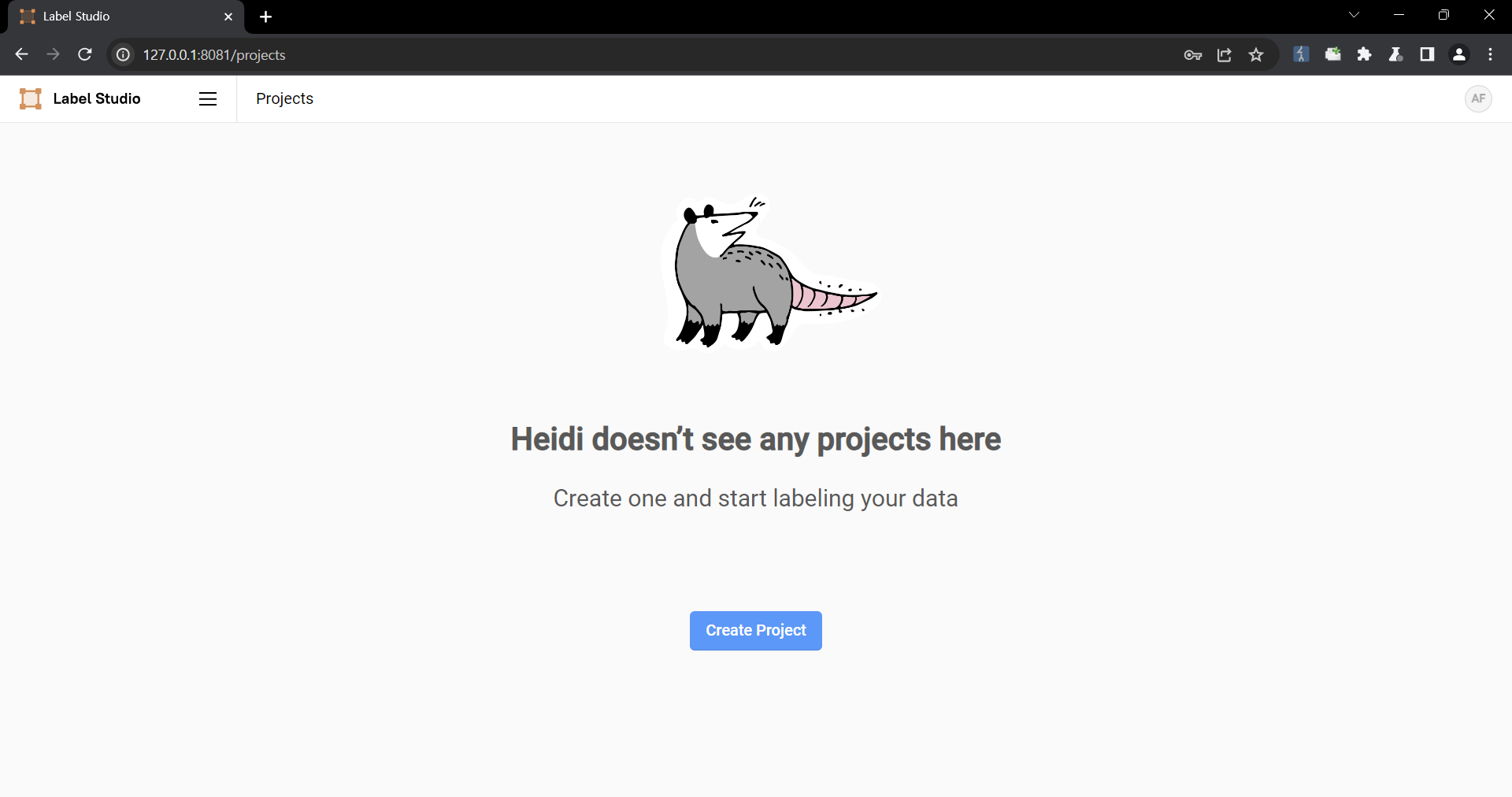 2. Upload a file containing the payload using the "Upload Files" function. 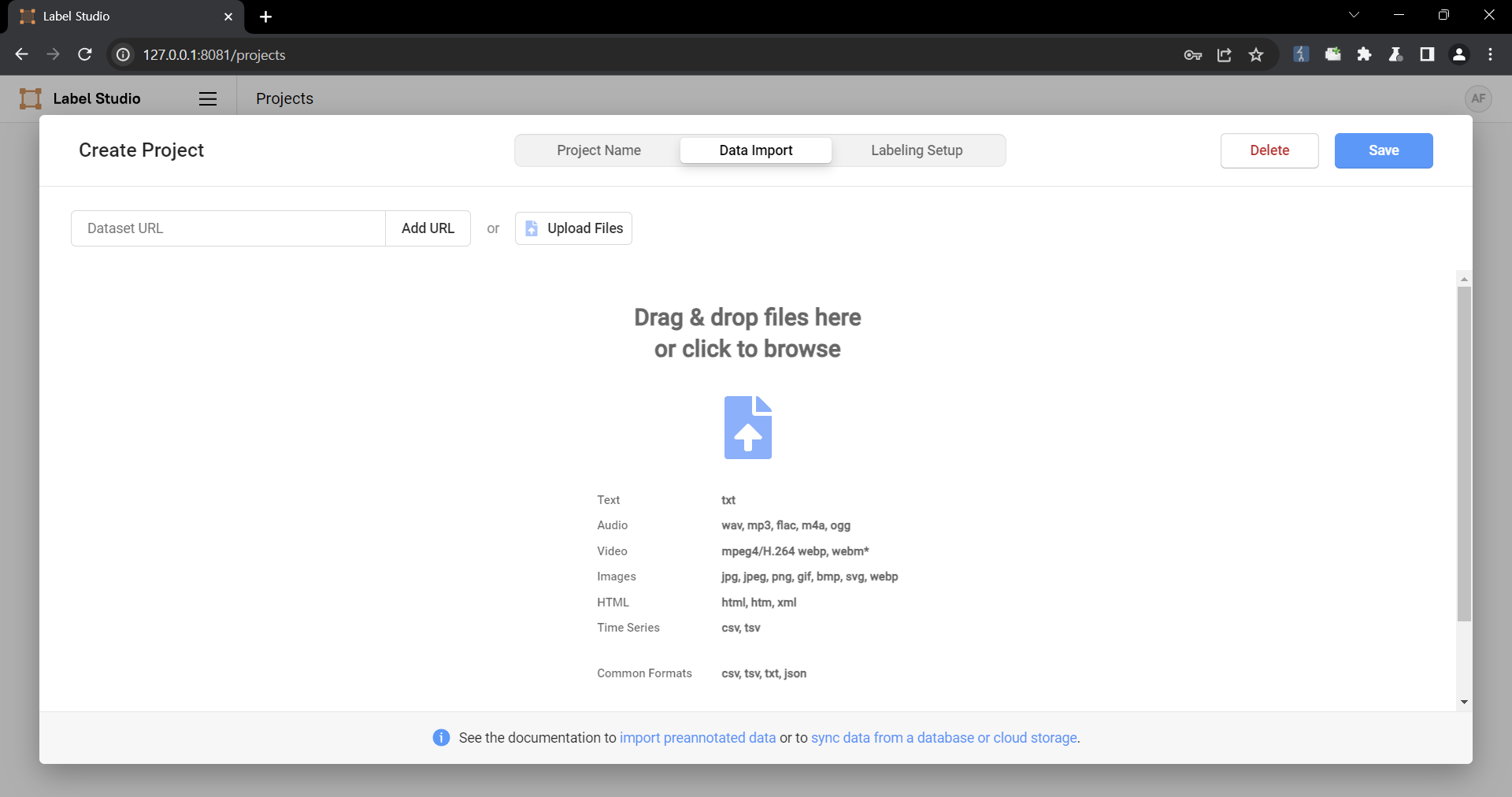 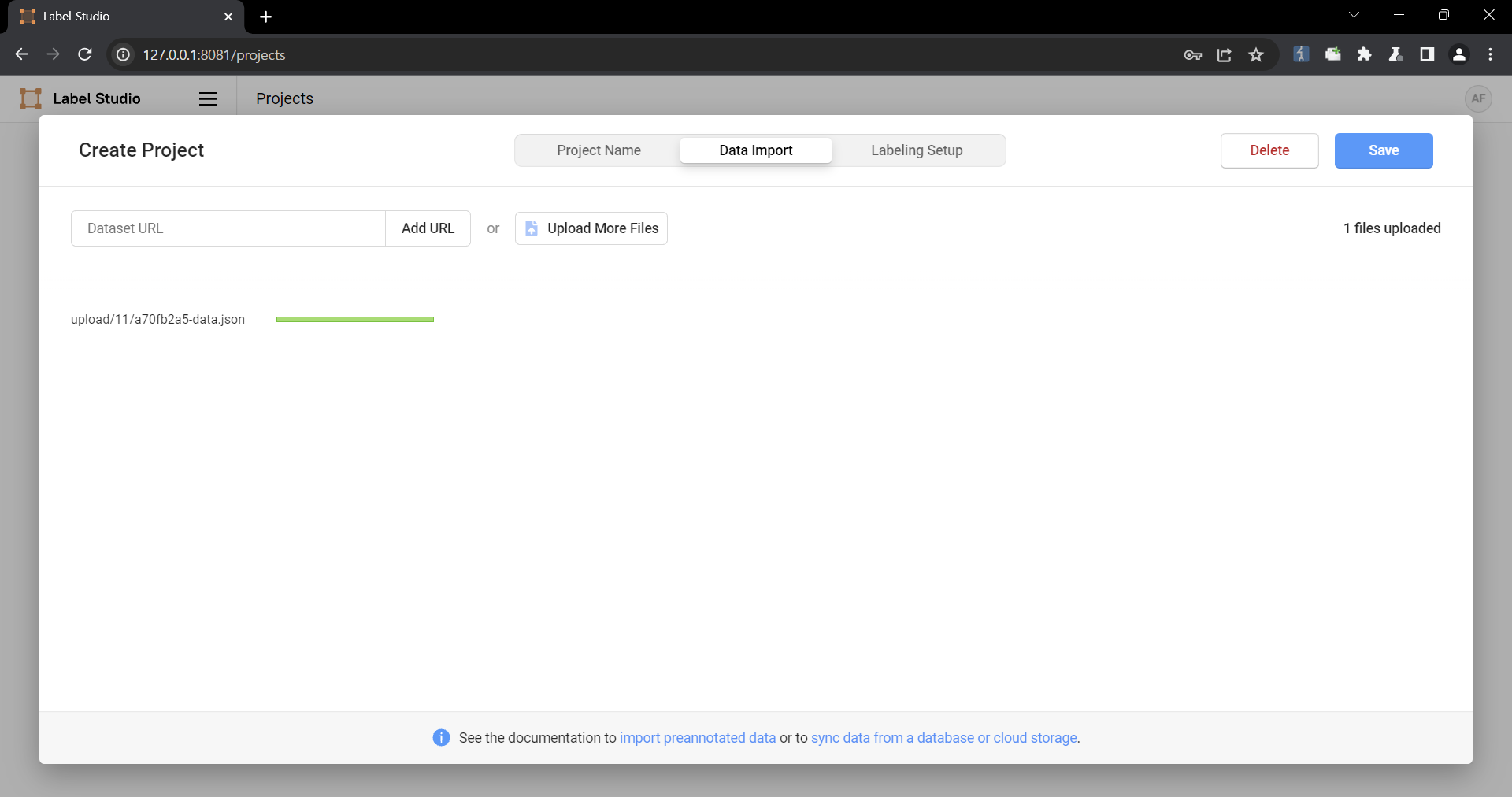 The following are the contents of the files used in the PoC ``` { "data": { "prompt": "labelstudio universe image", "images": [ { "value": "id123#0", "style": "margin: 5px", "html": "<img width='400' src='https://labelstud.io/_astro/images-tab.64279c16_ZaBSvC.avif' onload=alert(document.cookie)>" } ] } } ``` 3. Select the text-to-image generation labeling template of Ranking and scoring 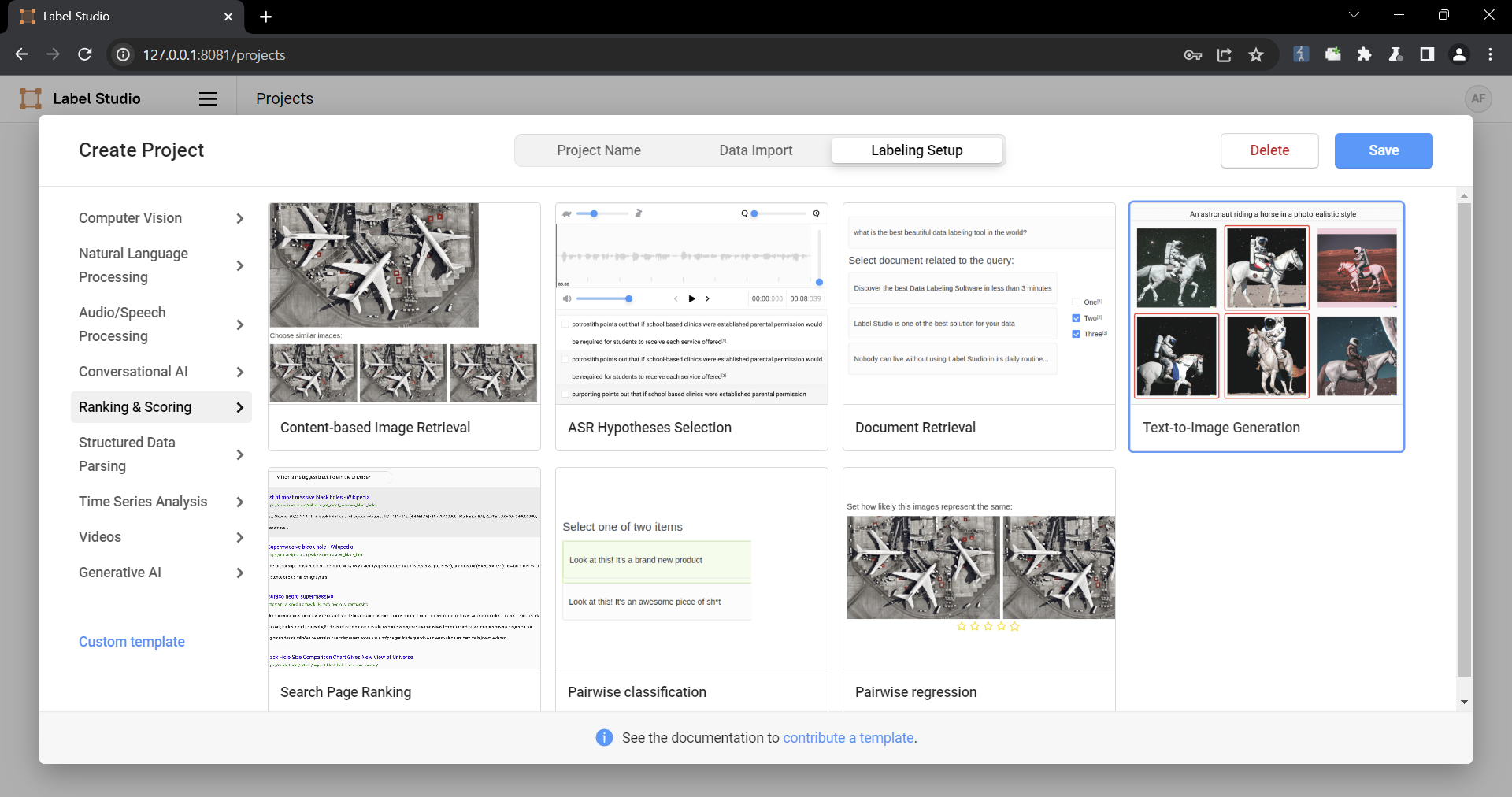 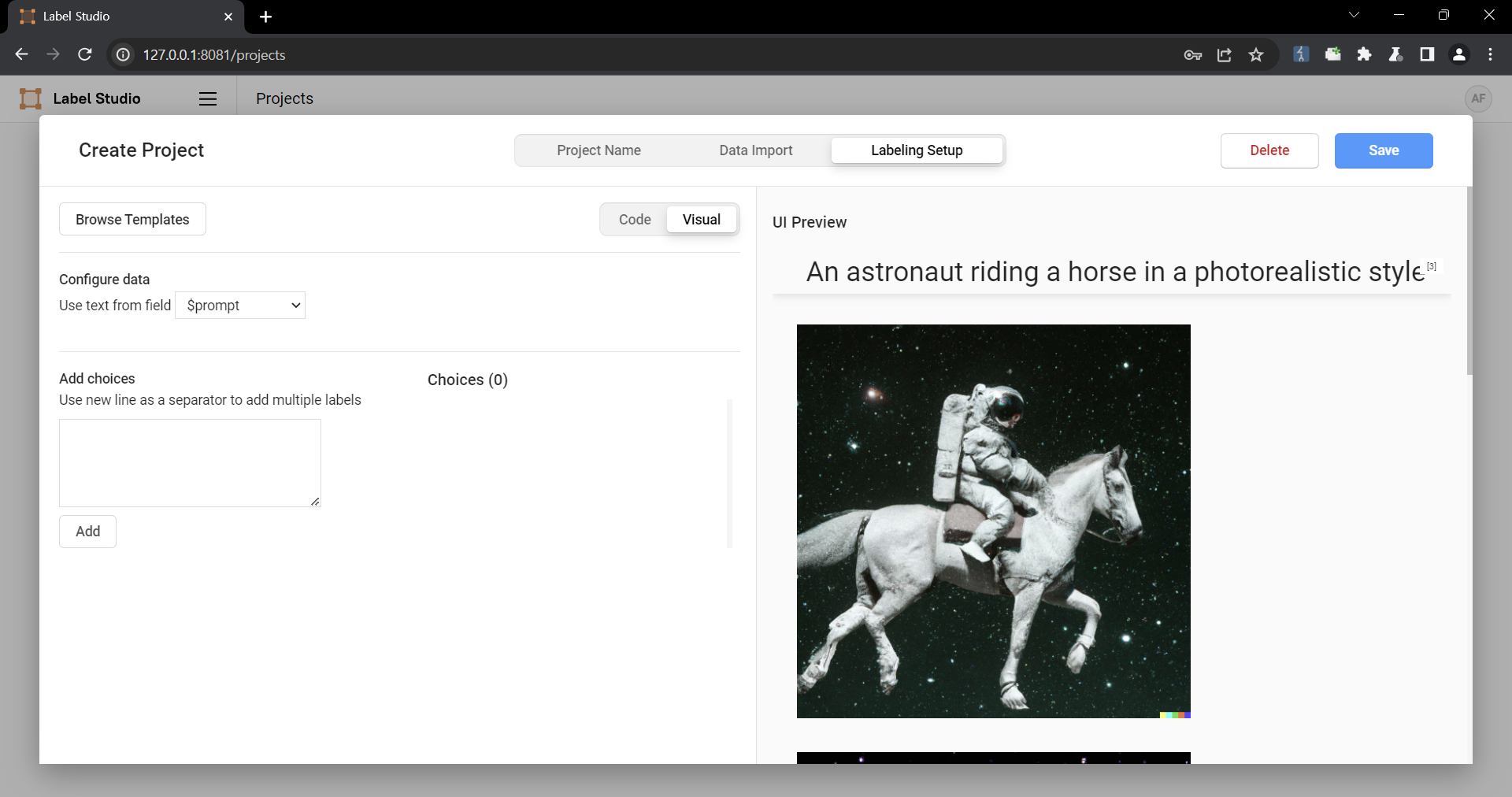 4. Select a task 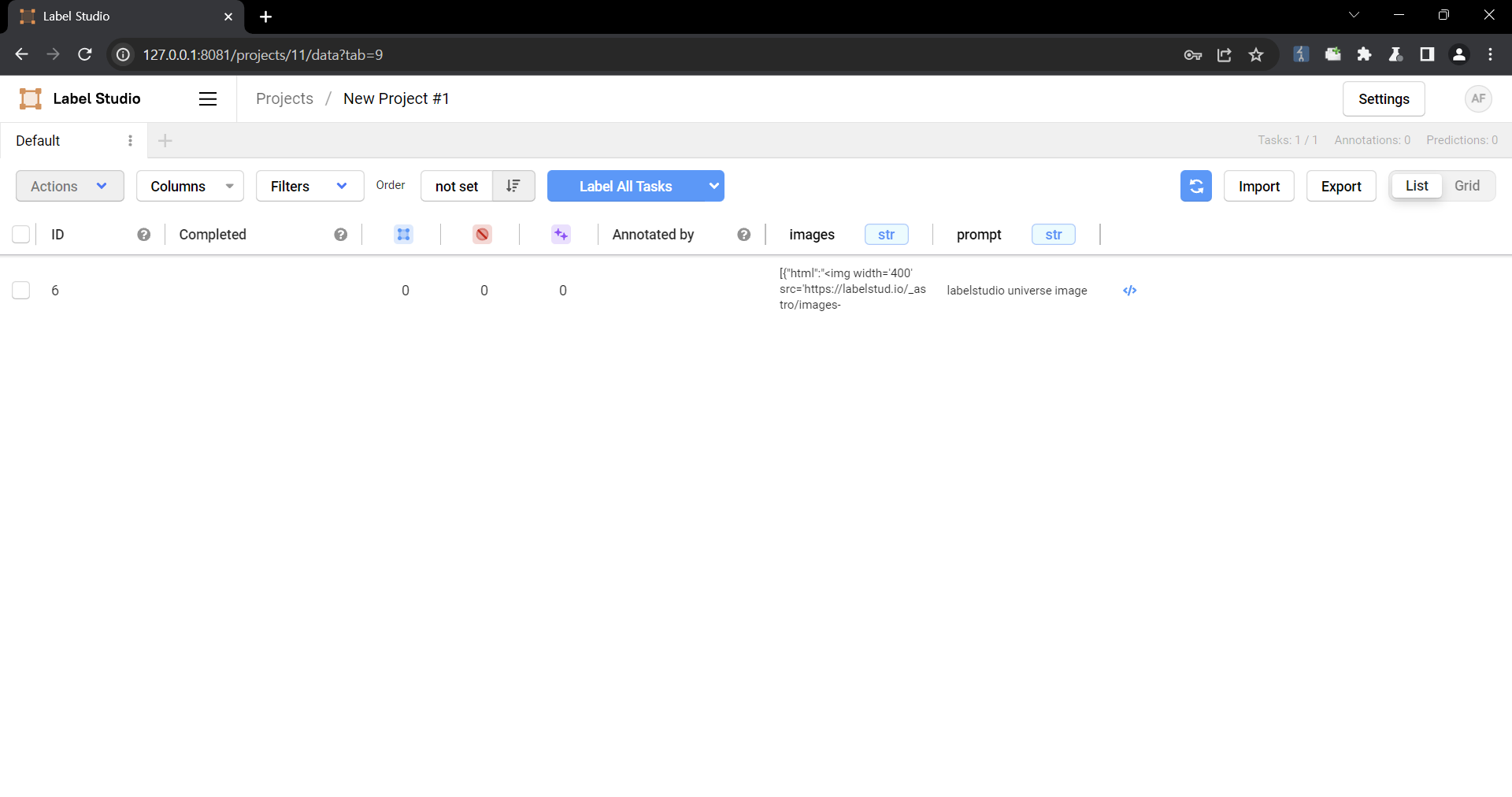 5. Check that the script is running 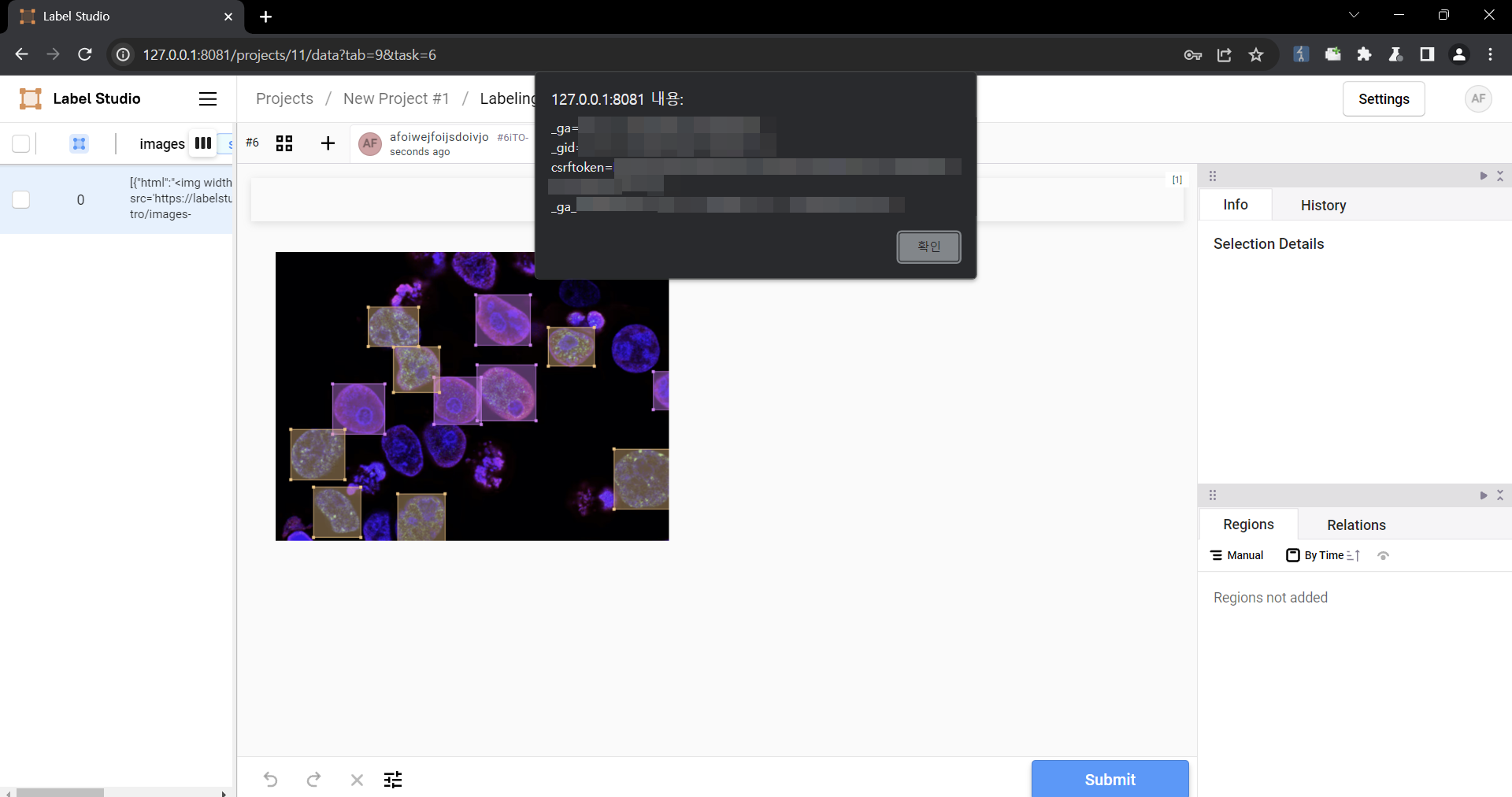 ### Impact Malicious scripts can be injected into the code, and when linked with vulnerabilities such as CSRF, it can cause even greater damage. In particular, It can become a source of further attacks, especially when linked to social engineering.
Cross-site scripting (XSS) vulnerability in index.php in emlog version <= pro-1.0.7 allows remote attackers to inject arbitrary web script or HTML via the s parameter.
It was discovered that the "Trigger DAG with config" screen was susceptible to XSS attacks via the `origin` query argument. This issue affects Apache Airflow versions 2.2.3 and below.
In MediaWiki through 1.37, XSS can occur in Wikibase because an external identifier property can have a URL format that includes a $1 formatter substitution marker, and the javascript: URL scheme (among others) can be used.
A DOM based cross-site scripting (XSS) vulnerability in the component /beep/Beep.Instrument.js of stewdio beep.js before commit ef22ad7 allows attackers to execute arbitrary Javascript via sending a crafted URL.
GeniXCMS 1.1.5 has XSS via the dbuser or dbhost parameter during step 1 of installation.
joyplus-cms 1.6.0 has XSS via the manager/collect/collect_vod_zhuiju.php keyword parameter.
Flask-AppBuilder is an application development framework, built on top of Flask. A Cross-Site Scripting (XSS) vulnerability has been discovered on the OAuth login page. An attacker could trick a user to follow a specially crafted URL to the OAuth login page. This URL could inject and execute malicious javascript code that would get executed on the user's browser. This issue was introduced on 4.1.4 and patched on 4.2.1.
A Site Scripting (XSS) vulnerability exists in the Xerte Project Xerte through 3.8.4 via the link parameter in print.php.
A cross-site scripting (XSS) vulnerability in the Addon JD Flusity 'Social block links' module of flusity-CMS v2.33 allows attackers to execute arbitrary web scripts or HTML via a crafted payload injected into the Profile Name text field.
A vulnerability was found in mschaef toto up to 1.4.20. It has been classified as problematic. This affects an unknown part of the component Todo List Handler. The manipulation leads to cross site scripting. It is possible to initiate the attack remotely. Upgrading to version 1.4.21 is able to address this issue. The name of the patch is fdc825ac5249f40683377e8a526a06cdc6870125. It is recommended to upgrade the affected component. The identifier VDB-216177 was assigned to this vulnerability.
A Cross Site Scripting (XSS) vulnerability exists in Nacos 2.0.3 in auth/users via the (1) pageSize and (2) pageNo parameters.
Cross Site Scripting (XSS) vulnerability exits in Anchor CMS <=0.12.7 in posts.php. Attackers can use the posts column to upload the title and content containing malicious code to achieve the purpose of obtaining the administrator cookie, thereby achieving other malicious operations.
Opmantek Open-AudIT Community 4.2.0 (Fixed in 4.3.0) is affected by a Cross Site Scripting (XSS) vulnerability. If a bad value is passed to the routine via a URL, malicious JavaScript code can be executed in the victim's browser.
An issue was discovered in COINS Construction Cloud 11.12. In several locations throughout the application, JavaScript code is passed as a URL parameter. Attackers can trivially alter this code to cause malicious behaviour. The application is therefore vulnerable to reflected XSS via malicious URLs.
Cross Site Scripting (XSS) vulnerability exists in Catfish <=6.3.0 via a Google search in url:/catfishcms/index.php/admin/Index/addmenu.htmland then the .html file on the website that uses this editor (the file suffix is allowed).
Cross Site Scripting (XSS) vulnerability exists in Piwigo 12.x via the pwg_activity function in include/functions.inc.php.
In MediaWiki through 1.37, Wikibase item descriptions allow XSS, which is triggered upon a visit to an action=info URL (aka a page-information sidebar).
Improper Neutralization of Input During Web Page Generation ('Cross-site Scripting') vulnerability in Scott Reilly Configure SMTP allows Reflected XSS.This issue affects Configure SMTP: from n/a through 3.1.
Yordam Library Information Document Automation product before version 19.02 has an unauthenticated reflected XSS vulnerability.
TestLink before 1.9.20 allows XSS via non-lowercase javascript: in the index.php reqURI parameter. NOTE: this issue exists because of an incomplete fix for CVE-2019-19491.
A vulnerability classified as problematic was found in Campcodes Complete Online DJ Booking System 1.0. Affected by this vulnerability is an unknown functionality of the file /admin/aboutus.php. The manipulation of the argument pagetitle leads to cross site scripting. The attack can be launched remotely. The exploit has been disclosed to the public and may be used. The identifier VDB-257473 was assigned to this vulnerability.
Cross Site Scripting (XSS) vulnerability in Joel Starnes postMash – custom post order allows Reflected XSS.This issue affects postMash – custom post order: from n/a through 1.2.0.
XSS can occur in GNOME Web (aka Epiphany) before 40.4 and 41.x before 41.1 because a server's suggested_filename is used as the pdf_name value in PDF.js.
A vulnerability was found in Campcodes Complete Online DJ Booking System 1.0. It has been classified as problematic. This affects an unknown part of the file /admin/contactus.php. The manipulation of the argument email leads to cross site scripting. It is possible to initiate the attack remotely. The exploit has been disclosed to the public and may be used. The identifier VDB-257469 was assigned to this vulnerability.
A vulnerability was found in Campcodes Complete Online DJ Booking System 1.0. It has been declared as problematic. This vulnerability affects unknown code of the file /admin/booking-search.php. The manipulation of the argument searchdata leads to cross site scripting. The attack can be initiated remotely. The exploit has been disclosed to the public and may be used. VDB-257470 is the identifier assigned to this vulnerability.
A vulnerability was found in Campcodes Complete Online DJ Booking System 1.0 and classified as problematic. Affected by this issue is some unknown functionality of the file /admin/user-search.php. The manipulation of the argument searchdata leads to cross site scripting. The attack may be launched remotely. The exploit has been disclosed to the public and may be used. The identifier of this vulnerability is VDB-257468.
Cross-site scripting (XSS) was possible in notification pop-ups. The following products are affected: Acronis Cyber Protect 15 (Windows, Linux) before build 28035
A vulnerability affecting F-Secure SAFE browser was discovered whereby browsers loads images automatically this vulnerability can be exploited remotely by an attacker to execute the JavaScript can be used to trigger universal cross-site scripting through the browser. User interaction is required prior to exploitation, such as entering a malicious website to trigger the vulnerability.
Librenms 21.11.0 is affected by a Cross Site Scripting (XSS) vulnerability in includes/html/forms/poller-groups.inc.php.
Cross Site Scripting (XSS) vulnerability in Friendica versions after v.2023.12, allows a remote attacker to execute arbitrary code and obtain sensitive information via the BBCode tags in the post content and post comments function.
A vulnerability was found in django-photologue up to 3.15.1 and classified as problematic. Affected by this issue is some unknown functionality of the file photologue/templates/photologue/photo_detail.html of the component Default Template Handler. The manipulation of the argument object.caption leads to cross site scripting. The attack may be launched remotely. Upgrading to version 3.16 is able to address this issue. The name of the patch is 960cb060ce5e2964e6d716ff787c72fc18a371e7. It is recommended to apply a patch to fix this issue. VDB-215906 is the identifier assigned to this vulnerability.
A vulnerability was found in Campcodes Online Job Finder System 1.0. It has been rated as problematic. This issue affects some unknown processing of the file /admin/employee/index.php. The manipulation of the argument view leads to cross site scripting. The attack may be initiated remotely. The exploit has been disclosed to the public and may be used. The identifier VDB-257381 was assigned to this vulnerability.
Cross Site Scripting vulnerability in Bonitasoft, S.A v.7.14. and fixed in v.9.0.2, 8.0.3, 7.15.7, 7.14.8 allows attackers to execute arbitrary code via a crafted payload to the Groups Display name field.
Cross-site Scripting (XSS) in Cisco Linksys E4200 1.0.05 Build 7 devices allows remote attackers to inject arbitrary web script or HTML via unspecified vectors.
ASG technologies ASG-Zena Cross Platform Server Enterprise Edition 4.2.1 is vulnerable to Cross Site Scripting (XSS).
Librenms 21.11.0 is affected by a Cross Site Scripting (XSS) vulnerability in includes/html/common/alert-log.inc.php.
XSS can occur in GNOME Web (aka Epiphany) before 40.4 and 41.x before 41.1 when View Source mode or Reader mode is used, as demonstrated by a a page title.
Cross-site scripting (XSS) issue in Website app of Odoo Community 15.0 and earlier and Odoo Enterprise 15.0 and earlier, allows remote attackers to inject arbitrary web script in the browser of a victim, by posting crafted contents.