Cross-site scripting (XSS) vulnerability in YzmCMS thru 7.3 via the referer header in the register page.
SourceCodester Web-based Pharmacy Product Management System V1.0 is vulnerable to Cross Site Scripting (XSS) in Category Management via the category name field.
In BigBlueButton before 2.2.28 (or earlier), uploaded presentations are sent to clients without a Content-Type header, which allows XSS, as demonstrated by a .png file extension for an HTML document.
A vulnerability was found in Campcodes Online Job Finder System 1.0. It has been classified as problematic. This affects an unknown part of the file /admin/vacancy/index.php. The manipulation of the argument view leads to cross site scripting. It is possible to initiate the attack remotely. The exploit has been disclosed to the public and may be used. The associated identifier of this vulnerability is VDB-257379.
In all version of Eclipse Hawkbit prior to 0.3.0M7, the HTTP 404 (Not Found) JSON response body returned by the REST API may contain unsafe characters within the path attribute. Sending a POST request to a non existing resource will return the full path from the given URL unescaped to the client.
Oxygen XML Web Author v26.0.0 and older and Oxygen Content Fusion v6.1 and older are vulnerable to Cross-Site Scripting (XSS) for malicious URLs.
A XSS vulnerability was discovered in python-lxml's clean module. The module's parser didn't properly imitate browsers, which caused different behaviors between the sanitizer and the user's page. A remote attacker could exploit this flaw to run arbitrary HTML/JS code.
In versions 16.0.0-16.0.0.1, 15.1.0-15.1.0.5, 14.1.0-14.1.3, 13.1.0-13.1.3.4, and 12.1.0-12.1.5.2, a reflected cross-site scripting (XSS) vulnerability exists in the resource information page for authenticated users when a full webtop is configured on the BIG-IP APM system.
Cross Site Scripting vulnerability in Bonitasoft, S.A v.7.14. and fixed in v.9.0.2, 8.0.3, 7.15.7, 7.14.8 allows attackers to execute arbitrary code via a crafted payload to the Groups Display name field.
All versions of ETIC Telecom Remote Access Server (RAS) prior to 4.5.0 are vulnerable to reflected cross site scripting (XSS) attacks in the method parameter. The ETIC RAS web server uses dynamic pages that gets their input from the client side and reflects the input in its response to the client.
Cross Site Scripting vulnerability in docmost v.0.21.0 and before allows an attacker to execute arbitrary code
A vulnerability classified as problematic has been found in enilu web-flash 1.0. This affects the function fileService.upload of the file src/main/java/cn/enilu/flash/api/controller/FileController/upload of the component File Upload. The manipulation of the argument File leads to cross site scripting. It is possible to initiate the attack remotely. The exploit has been disclosed to the public and may be used.
A Reflected Cross-Site Scripting (XSS) vulnerability was discovered in the /publix/run endpoint of JATOS 3.7.1 through 3.9.6 (inclusive). This allows remote attackers to execute arbitrary JavaScript in a user's web browser by including a malicious payload in the "code" URL parameter. When an authenticated admin user accesses the study's URL, the malicious script gets interpreted and executes within their browser, which can lead to unauthorized actions, account compromise, and privilege escalation.
Todoist v8484 contains a stored cross-site scripting (XSS) vulnerability in the avatar upload functionality. The application fails to properly validate the MIME type and sanitize image metadata.
HotelDruid v3.0.7 and before is vulnerable to Cross Site Scripting (XSS) in the /modifica_app.php file.
A cross-site scripting (XSS) vulnerability in the Header module of Enhavo CMS v0.13.1 allows attackers to execute arbitrary web scripts or HTML via a crafted payload injected into the Title text field.
Cross site scripting (XSS) vulnerability in 17gz International Student service system 1.0 allows attackers to execute arbitrary code via the registration step.
A vulnerability, which was classified as problematic, has been found in Campcodes Online Job Finder System 1.0. Affected by this issue is some unknown functionality of the file /admin/category/index.php. The manipulation of the argument view leads to cross site scripting. The attack may be launched remotely. The exploit has been disclosed to the public and may be used. The identifier of this vulnerability is VDB-257384.
DIAEnergie - Reflected Cross-site Scripting
Multiple cross-site scripting (XSS) vulnerabilities in Citadel WebCit through 926 allow remote attackers to inject arbitrary web script or HTML via multiple pages and parameters. NOTE: this was reported to the vendor in a publicly archived "Multiple Security Vulnerabilities in WebCit 926" thread.
Paracrawl KeOPs v2 is vulnerable to Cross Site Scripting (XSS) in error.php.
There is an HTML injection vulnerability in Esri Portal for ArcGIS 11.0 and below that may allow a remote, unauthenticated attacker to craft a URL which, when clicked, could potentially generate a message that may entice an unsuspecting victim to visit an arbitrary website. This could simplify phishing attacks.
Cross Site Scripting (XSS) vulnerability in Query Report feature in Zoho ManageEngine Password Manager Pro version 11001, allows remote attackers to execute arbitrary code and steal cookies via crafted JavaScript payload.
A Cross-Site Scripting Vulnerability has been found on Meta4 HR affecting version 819.001.022 and earlier. The endpoint '/sitetest/english/dumpenv.jsp' is vulnerable to XSS attack by 'lang' query, i.e. '/sitetest/english/dumpenv.jsp?snoop=yes&lang=%27%3Cimg%20src/onerror=alert(1)%3E¶ms'.
A DOM based cross-site scripting (XSS) vulnerability in the component /beep/Beep.Instrument.js of stewdio beep.js before commit ef22ad7 allows attackers to execute arbitrary Javascript via sending a crafted URL.
A Cross Site Scripting (XSS) vulnerability in CodeAstro Membership Management System in PHP v.1.0 allows a remote attacker to execute arbitrary code via the membershipType parameter in the add_type.php component.
Many Notes 0.10.1 is vulnerable to Cross Site Scripting (XSS), which allows malicious Markdown files to execute JavaScript when viewed.
### Summary On all Label Studio versions prior to 1.11.0, data imported via file upload feature is not properly sanitized prior to being rendered within a [`Choices`](https://labelstud.io/tags/choices) or [`Labels`](https://labelstud.io/tags/labels) tag, resulting in an XSS vulnerability. ### Details Need permission to use the "data import" function. This was reproduced on Label Studio 1.10.1. ### PoC 1. Create a project. 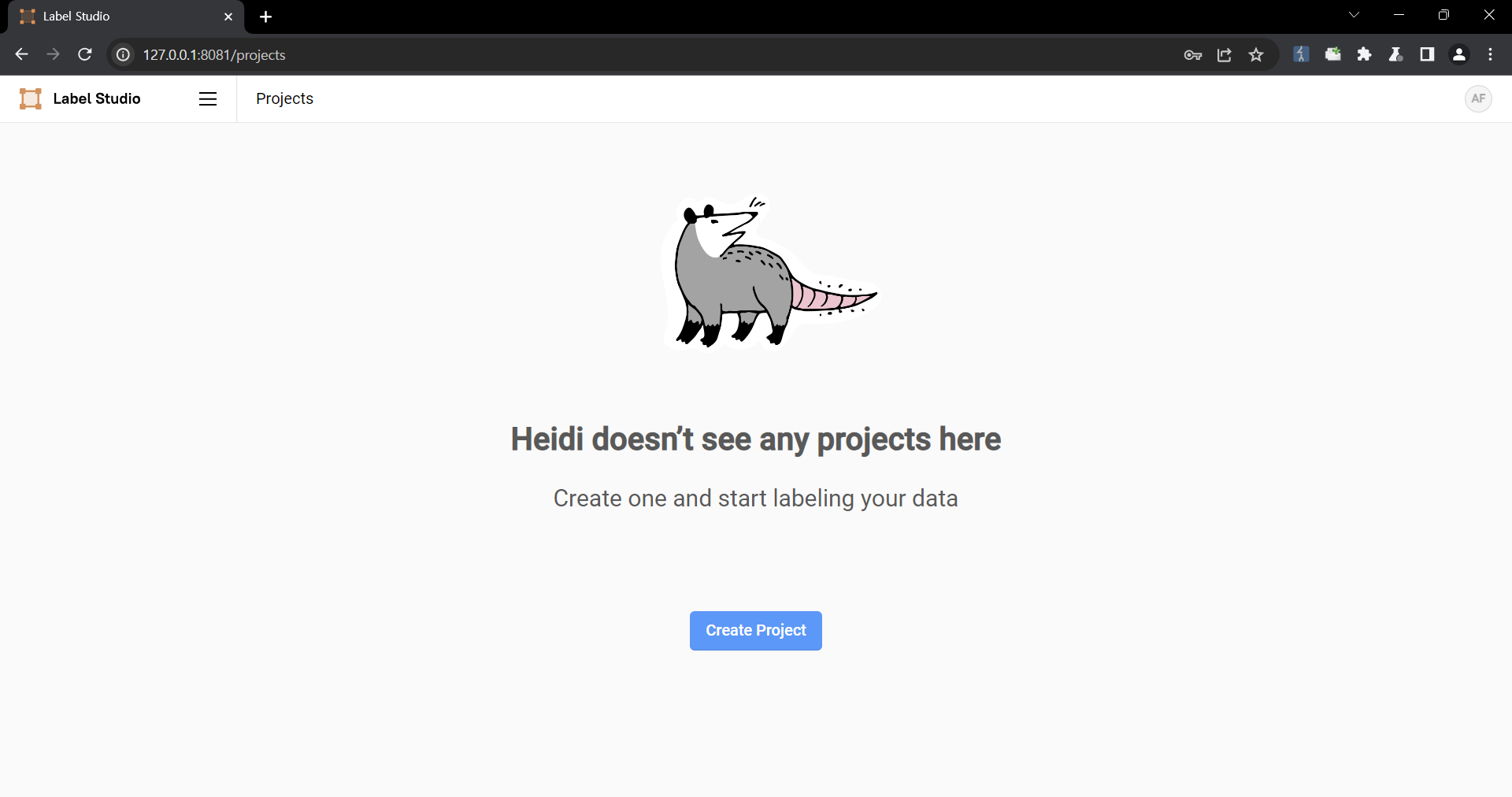 2. Upload a file containing the payload using the "Upload Files" function. 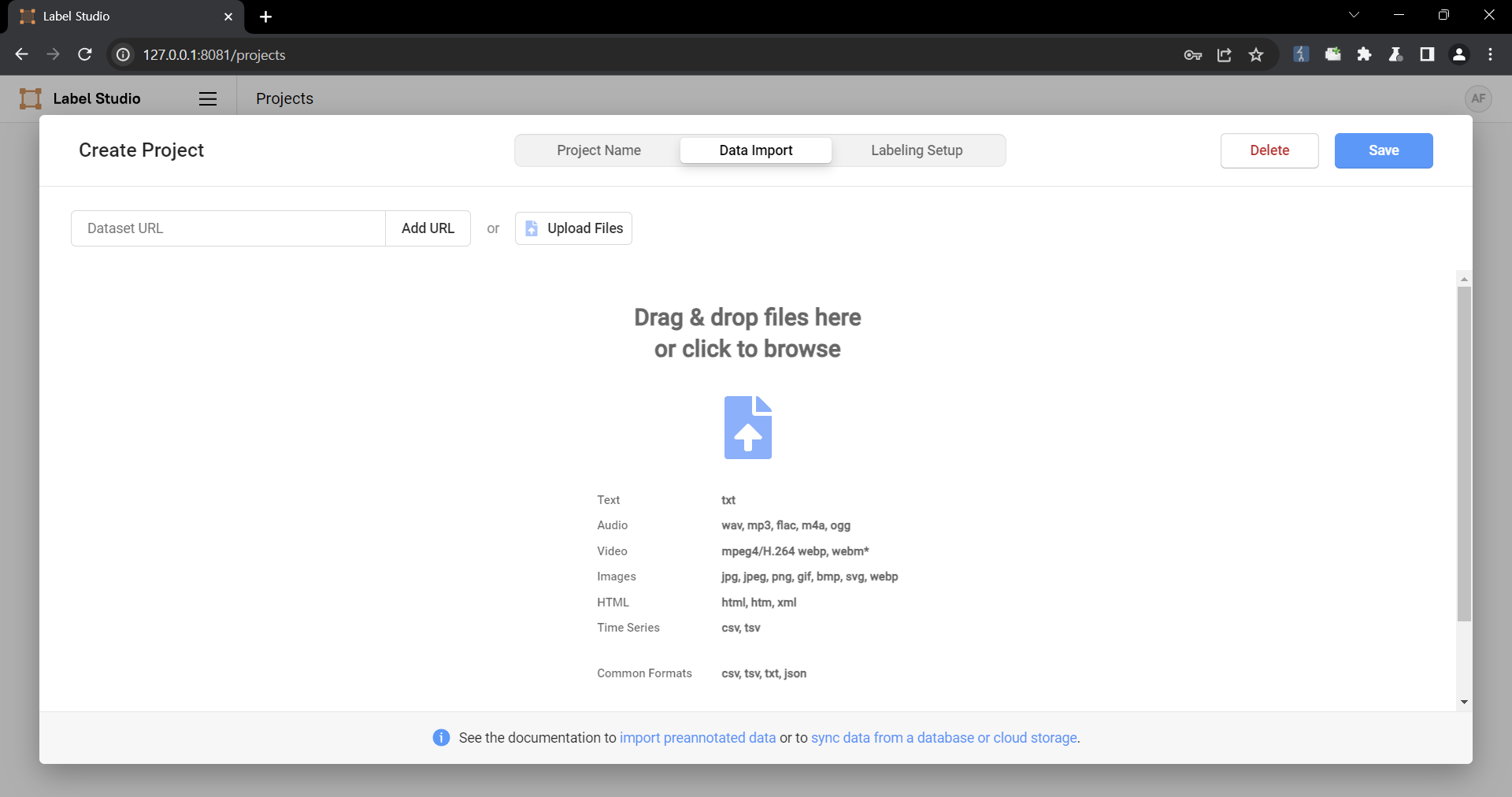 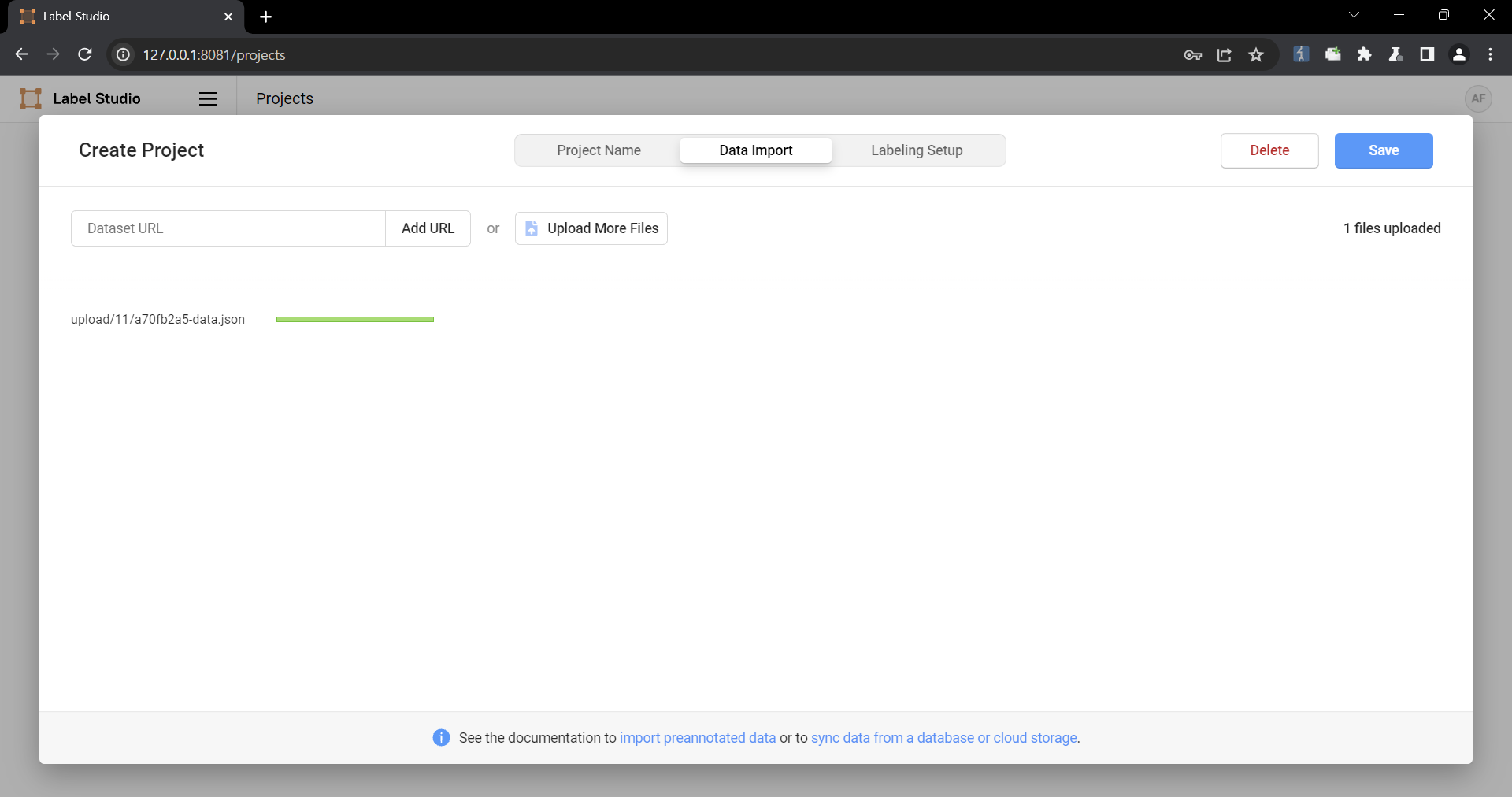 The following are the contents of the files used in the PoC ``` { "data": { "prompt": "labelstudio universe image", "images": [ { "value": "id123#0", "style": "margin: 5px", "html": "<img width='400' src='https://labelstud.io/_astro/images-tab.64279c16_ZaBSvC.avif' onload=alert(document.cookie)>" } ] } } ``` 3. Select the text-to-image generation labeling template of Ranking and scoring 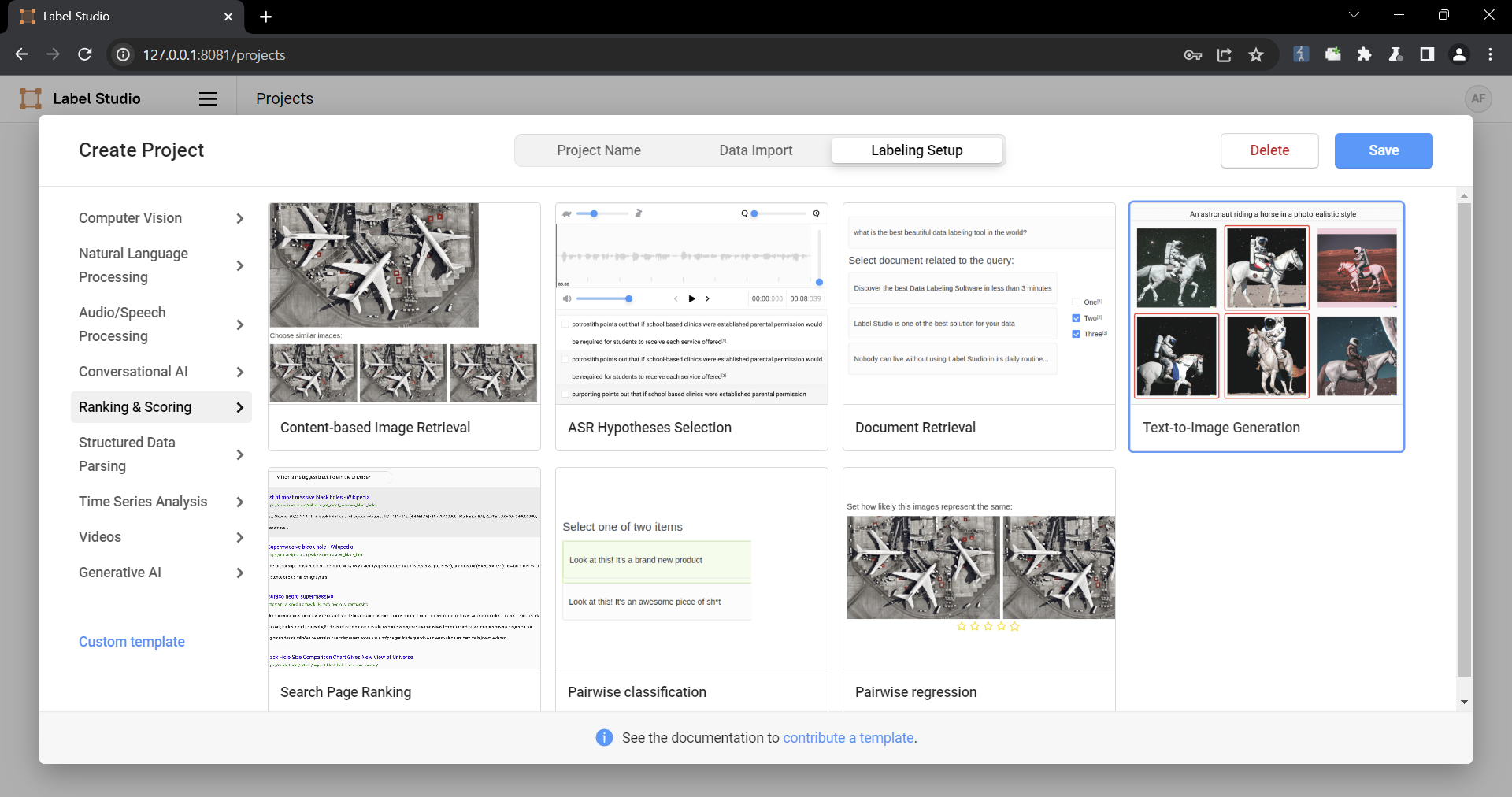 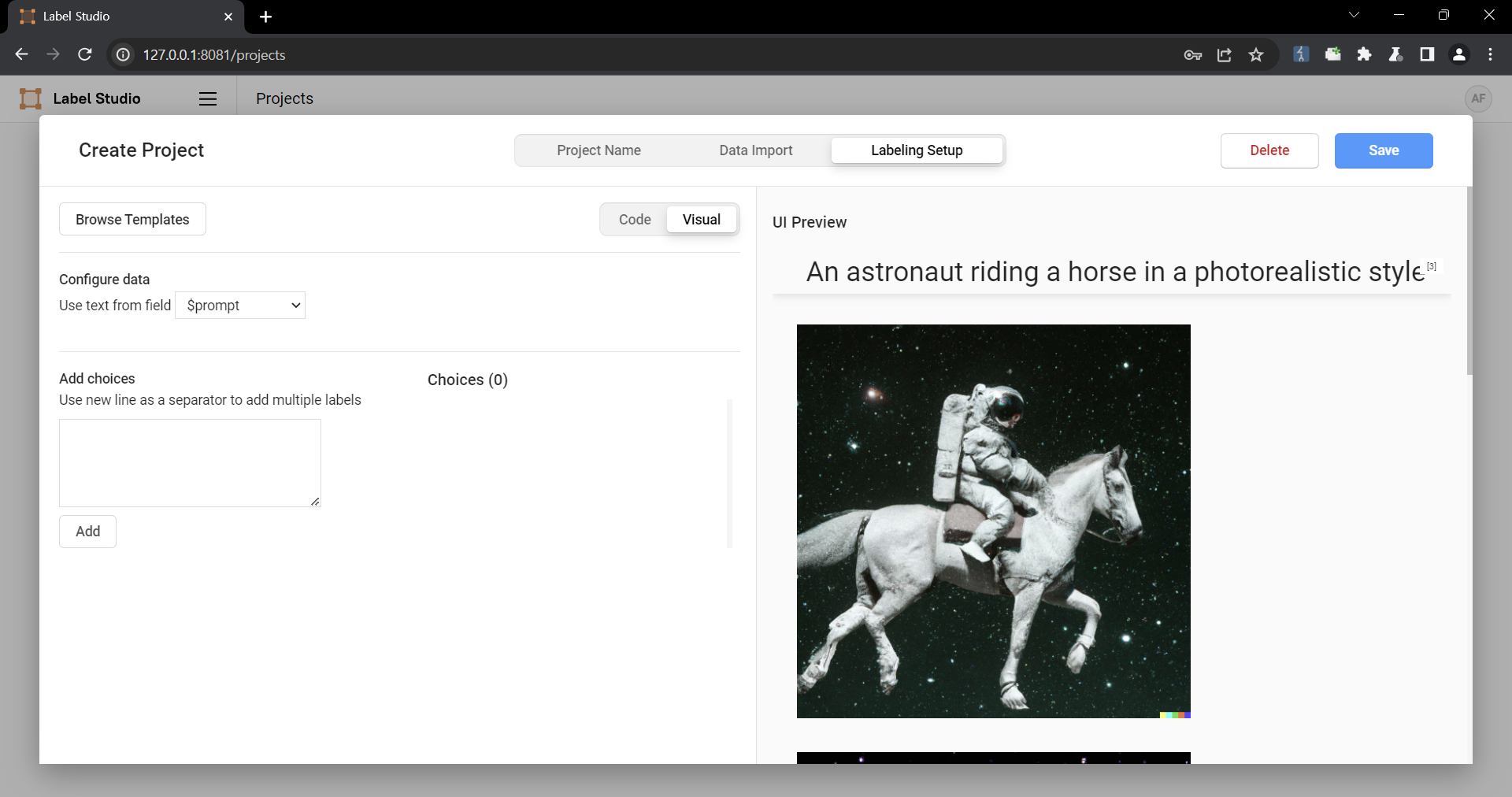 4. Select a task 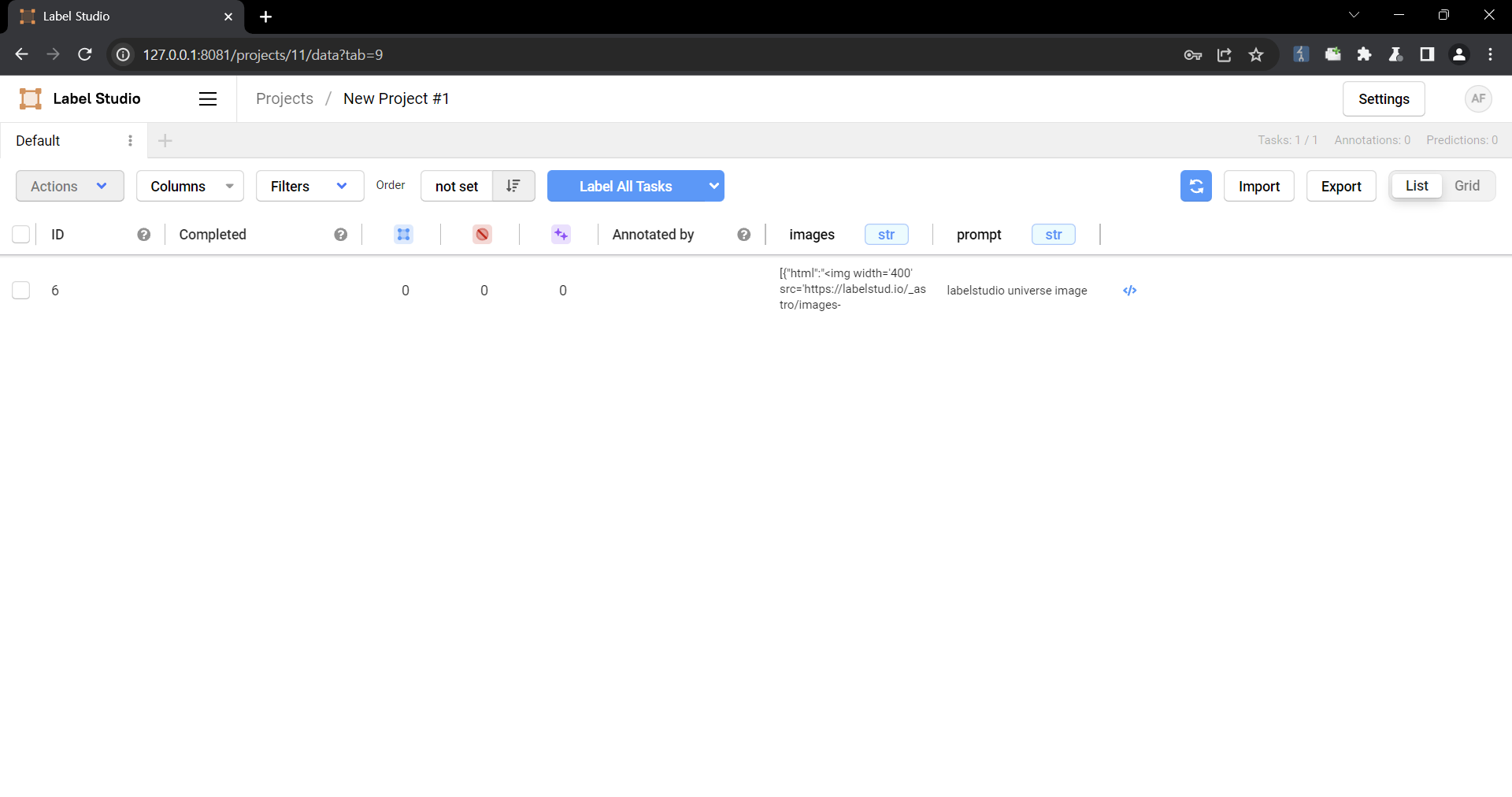 5. Check that the script is running 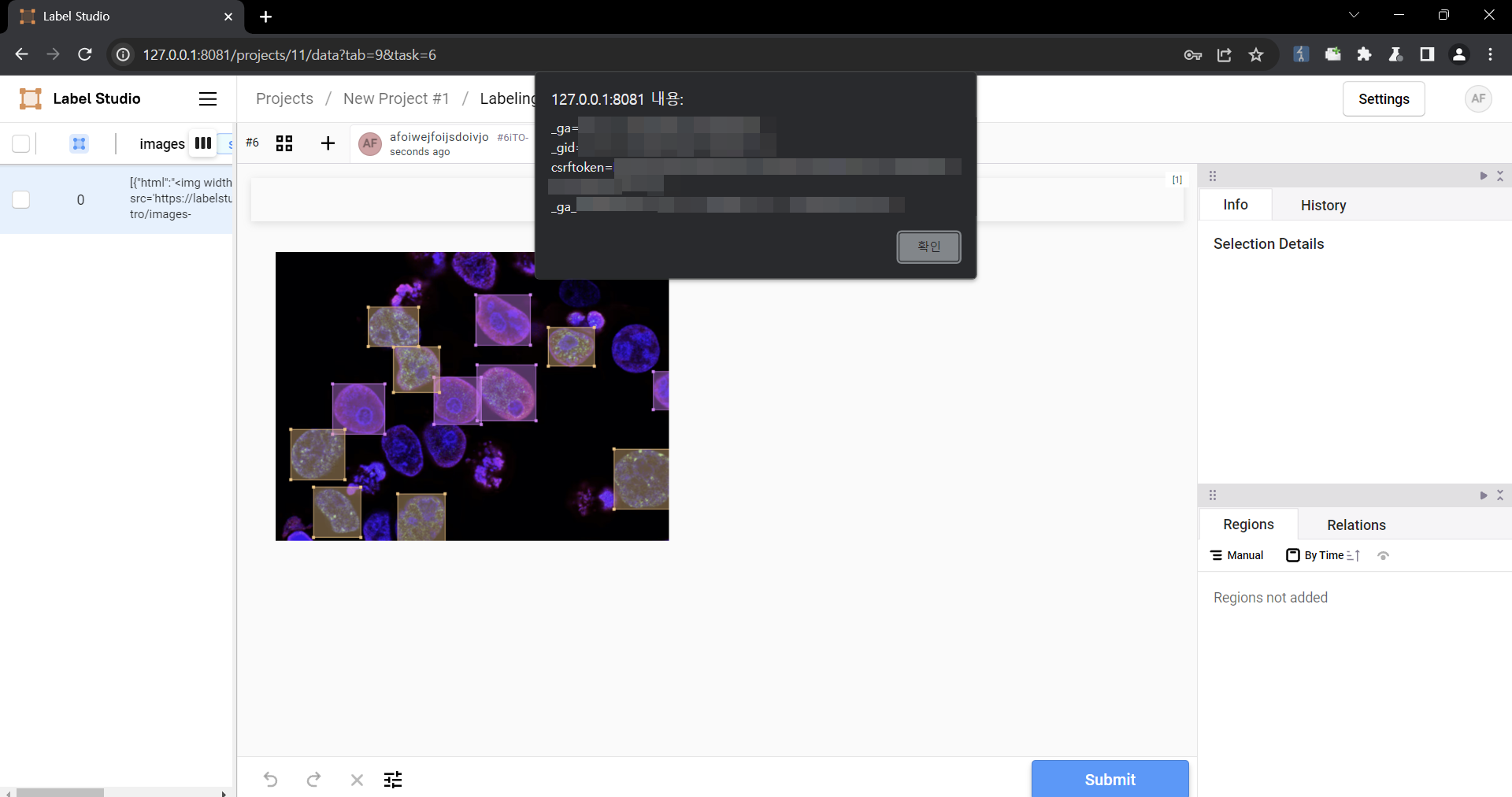 ### Impact Malicious scripts can be injected into the code, and when linked with vulnerabilities such as CSRF, it can cause even greater damage. In particular, It can become a source of further attacks, especially when linked to social engineering.
http-swagger before 1.2.6 allows XSS via PUT requests, because a file that has been uploaded (via httpSwagger.WrapHandler and *webdav.memFile) can subsequently be accessed via a GET request. NOTE: this is independently fixable with respect to CVE-2022-24863, because (if a solution continued to allow PUT requests) large files could have been blocked without blocking JavaScript, or JavaScript could have been blocked without blocking large files.
A cross-site scripting (XSS) vulnerability in the Addon JD Flusity 'Media Gallery with description' module of flusity-CMS v2.33 allows attackers to execute arbitrary web scripts or HTML via a crafted payload injected into the Gallery name text field.
Cross Site Scripting (XSS) vulnerability in Friendica versions after v.2023.12, allows a remote attacker to execute arbitrary code and obtain sensitive information via the BBCode tags in the post content and post comments function.
A stored Cross-site scripting (XSS) vulnerability exists in the Customer Management Module of LionCoders SalePro POS 5.4.8. An authenticated attacker can inject arbitrary web script or HTML via the 'Customer Name' parameter when creating or editing customer profiles. This malicious input is improperly sanitized before storage and subsequent rendering, leading to script execution in the browsers of users who view the affected customer details.
Vulnerability in AMSS++ version 4.31, which does not sufficiently encode user-controlled input, resulting in a Cross-Site Scripting (XSS) vulnerability through /amssplus/admin/index.php, in multiple parameters. This vulnerability could allow a remote attacker to send a specially crafted URL to an authenticated user and steal their session cookie credentials.
A vulnerability was found in Campcodes Online Job Finder System 1.0. It has been declared as problematic. This vulnerability affects unknown code of the file /admin/user/index.php. The manipulation of the argument view leads to cross site scripting. The attack can be initiated remotely. The exploit has been disclosed to the public and may be used. The identifier of this vulnerability is VDB-257380.
WordPress before 5.5.2 allows XSS associated with global variables.
A cross-site scripting (XSS) vulnerability in the Header module of Enhavo CMS v0.13.1 allows attackers to execute arbitrary web scripts or HTML via a crafted payload injected into the Undertitle text field.
A vulnerability classified as problematic was found in Campcodes Online Job Finder System 1.0. Affected by this vulnerability is an unknown functionality of the file /admin/company/index.php. The manipulation of the argument view leads to cross site scripting. The attack can be launched remotely. The exploit has been disclosed to the public and may be used. The associated identifier of this vulnerability is VDB-257383.
There is a reflected XSS vulnerability in Esri Portal for ArcGIS versions 11.1 and below which may allow a remote, unauthenticated attacker to create a crafted link which when clicked could potentially execute arbitrary JavaScript code in the victim’s browser.
A reflected cross-site scripting (XSS) vulnerability in ChurchCRM 5.5.0 allows remote attackers to inject arbitrary web script or HTML via the type parameter of /EventAttendance.php
A URL validation bypass vulnerability exists in validator.js through version 13.15.15. The isURL() function uses '://' as a delimiter to parse protocols, while browsers use ':' as the delimiter. This parsing difference allows attackers to bypass protocol and domain validation by crafting URLs leading to XSS and Open Redirect attacks.
A vulnerability, which was classified as problematic, was found in Campcodes Online Job Finder System 1.0. This affects an unknown part of the file /admin/applicants/index.php. The manipulation of the argument view leads to cross site scripting. It is possible to initiate the attack remotely. The exploit has been disclosed to the public and may be used. The identifier VDB-257385 was assigned to this vulnerability.
A vulnerability was found in Campcodes Online Job Finder System 1.0. It has been rated as problematic. This issue affects some unknown processing of the file /admin/employee/index.php. The manipulation of the argument view leads to cross site scripting. The attack may be initiated remotely. The exploit has been disclosed to the public and may be used. The identifier VDB-257381 was assigned to this vulnerability.
A DOM based cross-site scripting (XSS) vulnerability in the component generator.html of tabatkins/railroad-diagrams before commit ea9a123 allows attackers to execute arbitrary Javascript via sending a crafted URL.
A reflected cross-site scripting (XSS) vulnerability exists in the authentication endpoints of multiple WSO2 products due to a lack of output encoding. A malicious actor can inject arbitrary JavaScript payloads into the authentication endpoint, which are reflected back in the response, enabling browser-based attacks. Exploitation may result in redirection to malicious websites, UI manipulation, or unauthorized data access from the victim’s browser. However, session-related cookies are protected with the httpOnly flag, which mitigates session hijacking via this vector.
Vulnerability in AMSS++ version 4.31, which does not sufficiently encode user-controlled input, resulting in a Cross-Site Scripting (XSS) vulnerability through /amssplus/modules/mail/main/select_send.php, in multiple parameters. This vulnerability could allow a remote attacker to send a specially crafted URL to an authenticated user and steal their session cookie credentials.
The Custom Fields component not correctly filter inputs, leading to a XSS vector.
There is a stored Cross‑Site Scripting (XSS) vulnerability in Esri Portal for ArcGIS versions 11.2 and below that may allow a remote, authenticated attacker to create a crafted link that can be saved as a new location when moving an existing item, which could potentially execute arbitrary JavaScript code in a victim’s browser. Exploitation does not require any privileges and can be performed by an anonymous user.
A Cross Site Scripting (XSS) vulnerability exists in Decap CMS thru 3.8.3. Input fields such as body, tags, title, and description are not properly sanitized before being rendered in the content preview pane. This enables an attacker to inject arbitrary JavaScript which executes whenever a user views the preview panel. The vulnerability affects multiple input vectors and does not require user interaction beyond viewing the affected content.
Cross Site Scripting (XSS) vulnerability in hexo-theme-anzhiyu v1.6.12, allows remote attackers to execute arbitrary code via the algolia search function.
A cross-site scripting (XSS) vulnerability exists in Nagios XI 2024R2. The vulnerability allows remote attackers to execute arbitrary JavaScript in the context of a logged-in user's session via a specially crafted URL. The issue resides in a web component responsible for rendering performance-related data.