The WS Form LITE – Drag & Drop Contact Form Builder for WordPress plugin for WordPress is vulnerable to Reflected Cross-Site Scripting due to the use of remove_query_arg without appropriate escaping on the URL in all versions up to, and including, 1.9.244. This makes it possible for unauthenticated attackers to inject arbitrary web scripts in pages that execute if they can successfully trick a user into performing an action such as clicking on a link.
The WS Form LITE and Pro WordPress plugins before 1.8.176 do not sanitise and escape submitted form data, allowing unauthenticated attacker to submit XSS payloads which will get executed when a privileged user will view the related submission
The WS Form LITE and Pro WordPress plugins before 1.8.176 do not sanitise and escape their Form Name, which could allow high privilege users to perform Cross-Site Scripting attacks even when the unfiltered_html capability is disallowed.
The WP Inventory Manager plugin for WordPress is vulnerable to Reflected Cross-Site Scripting via the 'message' parameter in all versions up to, and including, 2.3.2 due to insufficient input sanitization and output escaping. This makes it possible for unauthenticated attackers to inject arbitrary web scripts in pages that execute if they can successfully trick a user into performing an action such as clicking on a link.
Toshiba printers provide a web interface that will load the JavaScript file. The file contains insecure codes vulnerable to XSS and is loaded inside all the webpages provided by the printer. An attacker can steal the cookie of an admin user. As for the affected products/models/versions, see the reference URL.
The NewsTicker WordPress plugin through 1.0 does not sanitise and escape a parameter before outputting it back in the page, leading to a Reflected Cross-Site Scripting which could be used against high privilege users such as admin.
The SlideDeck 1 Lite Content Slider WordPress plugin through 1.4.8 does not sanitise and escape a parameter before outputting it back in the page, leading to a Reflected Cross-Site Scripting which could be used against high privilege users such as admin.
A vulnerability classified as problematic has been found in Campcodes Online Marriage Registration System 1.0. This affects an unknown part of the file /user/search.php. The manipulation of the argument searchdata leads to cross site scripting. It is possible to initiate the attack remotely. The exploit has been disclosed to the public and may be used. The associated identifier of this vulnerability is VDB-257607.
The Sandbox plugin for WordPress is vulnerable to Reflected Cross-Site Scripting via the 'debug' parameter in all versions up to, and including, 0.4 due to insufficient input sanitization and output escaping. This makes it possible for unauthenticated attackers to inject arbitrary web scripts in pages that execute if they can successfully trick a user into performing an action such as clicking on a link.
A vulnerability was found in Campcodes Complete Online DJ Booking System 1.0. It has been declared as problematic. This vulnerability affects unknown code of the file /admin/booking-search.php. The manipulation of the argument searchdata leads to cross site scripting. The attack can be initiated remotely. The exploit has been disclosed to the public and may be used. VDB-257470 is the identifier assigned to this vulnerability.
IBM WebSphere Application Server Liberty 23.0.0.3 through 24.0.0.3 is vulnerable to cross-site scripting. This vulnerability allows users to embed arbitrary JavaScript code in a specially crafted URI. IBM X-Force ID: 284576.
Flusity-CMS v2.33 is affected by: Cross Site Scripting (XSS) in 'Custom Blocks.'
Improper Neutralization of Input During Web Page Generation ('Cross-site Scripting') vulnerability in Drupal OAuth & OpenID Connect Single Sign On – SSO (OAuth/OIDC Client) allows Cross-Site Scripting (XSS).This issue affects OAuth & OpenID Connect Single Sign On – SSO (OAuth/OIDC Client): from 3.0.0 before 3.44.0, from 4.0.0 before 4.0.19.
The R3W InstaFeed WordPress plugin through 1.0 does not sanitise and escape a parameter before outputting it back in the page, leading to a Reflected Cross-Site Scripting which could be used against high privilege users such as admin.
The Contact Form by Supsystic plugin for WordPress is vulnerable to Cross-Site Request Forgery in all versions up to, and including, 1.7.29. This is due to missing or incorrect nonce validation on a saveAsCopy function. This makes it possible for unauthenticated attackers to update settings and inject malicious web scripts via a forged request granted they can trick a site administrator into performing an action such as clicking on a link.
The EventPrime – Events Calendar, Bookings and Tickets plugin for WordPress is vulnerable to Stored Cross-Site Scripting via the 'offline_status' parameter in all versions up to, and including, 3.4.3 due to insufficient input sanitization and output escaping. This makes it possible for unauthenticated attackers to inject arbitrary web scripts in pages that will execute whenever a user accesses an injected page.
RSSHub is an open source RSS feed generator. Starting in version 1.0.0-master.cbbd829 and prior to version 1.0.0-master.d8ca915, ahen the specially crafted image is supplied to the internal media proxy, it proxies the image without handling XSS vulnerabilities, allowing for the execution of arbitrary JavaScript code. Users who access the deliberately constructed URL are affected. This vulnerability was fixed in version 1.0.0-master.d8ca915. No known workarounds are available.
The Wise Forms WordPress plugin through 1.2.0 does not sanitise and escape some of its settings, which could allow unauthenticated users to perform Stored Cross-Site Scripting attacks via malicious form submissions.
The Shared Files – Frontend File Upload Form & Secure File Sharing plugin for WordPress is vulnerable to Stored Cross-Site Scripting via dfxp File uploads in all versions up to, and including, 1.7.42 due to insufficient input sanitization and output escaping. This makes it possible for unauthenticated attackers to inject arbitrary web scripts in pages that will execute whenever a user accesses the dfxp file. This issue affects only Apache-based environments, where dfxp files are handled by default.
IBM QRadar SIEM 7.3 and 7.4 is vulnerable to cross-site scripting. This vulnerability allows users to embed arbitrary JavaScript code in the Web UI thus altering the intended functionality potentially leading to credentials disclosure within a trusted session. IBM X-Force ID: 182368.
The ECT Home Page Products WordPress plugin through 1.9 does not sanitise and escape a parameter before outputting it back in the page, leading to a Reflected Cross-Site Scripting which could be used against high privilege users such as admin.
Improper Neutralization of Input During Web Page Generation ('Cross-site Scripting') vulnerability in Drupal Facets allows Cross-Site Scripting (XSS).This issue affects Facets: from 0.0.0 before 2.0.9.
The WordPress form builder plugin for contact forms, surveys and quizzes – Tripetto plugin for WordPress is vulnerable to Stored Cross-Site Scripting via attachment uploads in all versions up to, and including, 8.0.9 due to insufficient input sanitization and output escaping. This makes it possible for unauthenticated attackers to inject arbitrary web scripts in pages that will execute whenever a user accesses the uploaded file.
ClickDesk version 4.3 and below has persistent cross site scripting
The Car Demon plugin for WordPress is vulnerable to Reflected Cross-Site Scripting via the 'search_condition' parameter in all versions up to, and including, 1.8.1 due to insufficient input sanitization and output escaping. This makes it possible for unauthenticated attackers to inject arbitrary web scripts in pages that execute if they can successfully trick a user into performing an action such as clicking on a link.
The Custom Field Manager WordPress plugin through 1.0 does not sanitise and escape a parameter before outputting it back in the page, leading to a Reflected Cross-Site Scripting which could be used against high privilege users such as admin.
The Tabulate WordPress plugin through 2.10.3 does not sanitise and escape some parameters before outputting them back in the page, leading to a Reflected Cross-Site Scripting which could be used against high privilege users such as admin.
A vulnerability, which was classified as problematic, was found in code-projects Online Car Rental System 1.0. This affects an unknown part of the file /index.php of the component GET Parameter Handler. The manipulation leads to cross site scripting. It is possible to initiate the attack remotely. The exploit has been disclosed to the public and may be used.
The WP Dream Carousel WordPress plugin through 1.0.1b does not sanitise and escape a parameter before outputting it back in the page, leading to a Reflected Cross-Site Scripting which could be used against high privilege users such as admin
PHPGurukul Hospital Management System in PHP v4.0 suffers from multiple reflected XSS vulnerabilities via the searchdata or Doctorspecialization parameter.
The YML for Yandex Market plugin for WordPress is vulnerable to Reflected Cross-Site Scripting via the feed_id parameter in all versions up to, and including, 4.2.3 due to insufficient input sanitization and output escaping. This makes it possible for unauthenticated attackers to inject arbitrary web scripts in pages that execute if they can successfully trick a user into performing an action such as clicking on a link.
### Summary On all Label Studio versions prior to 1.11.0, data imported via file upload feature is not properly sanitized prior to being rendered within a [`Choices`](https://labelstud.io/tags/choices) or [`Labels`](https://labelstud.io/tags/labels) tag, resulting in an XSS vulnerability. ### Details Need permission to use the "data import" function. This was reproduced on Label Studio 1.10.1. ### PoC 1. Create a project. 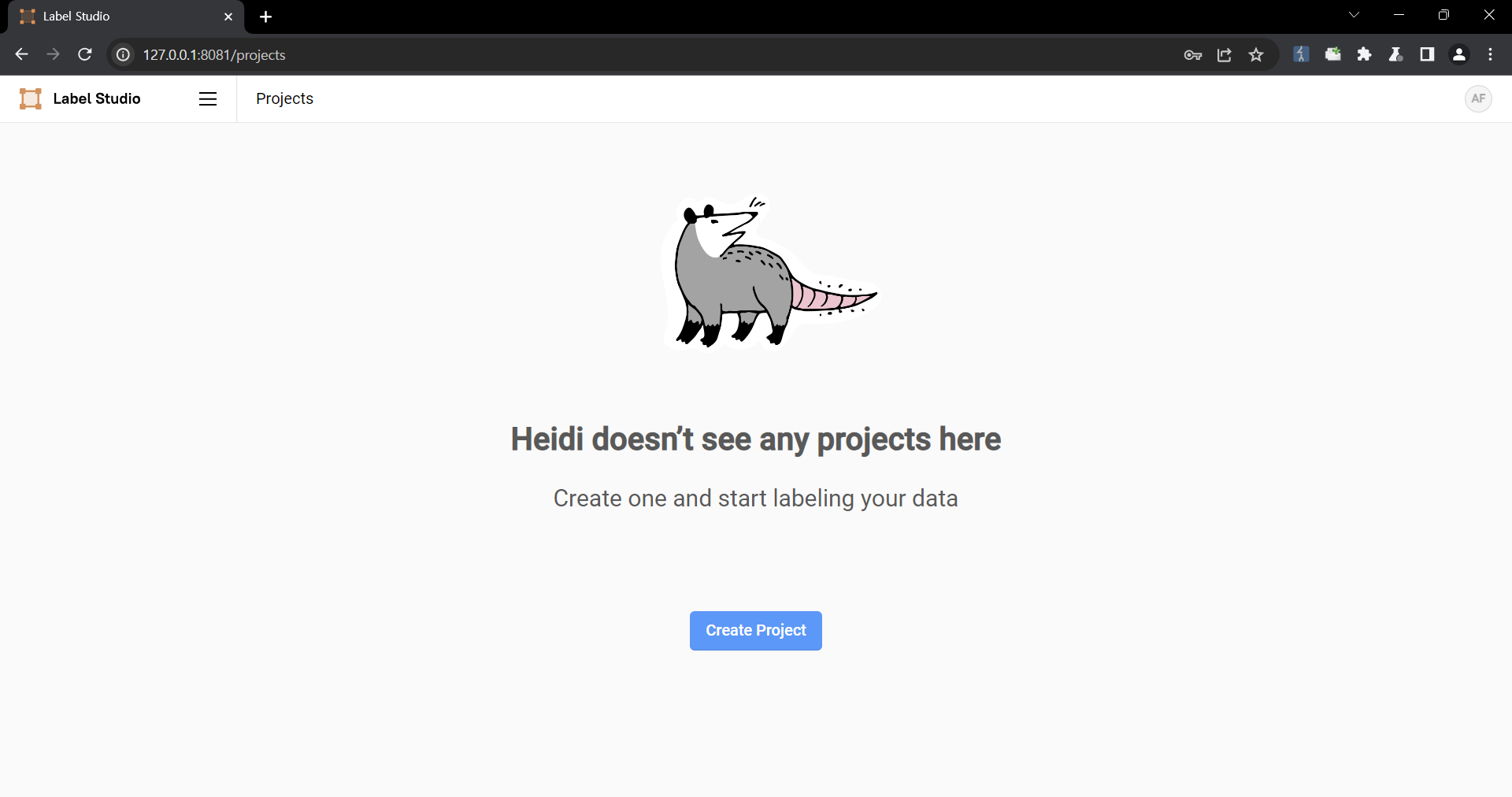 2. Upload a file containing the payload using the "Upload Files" function. 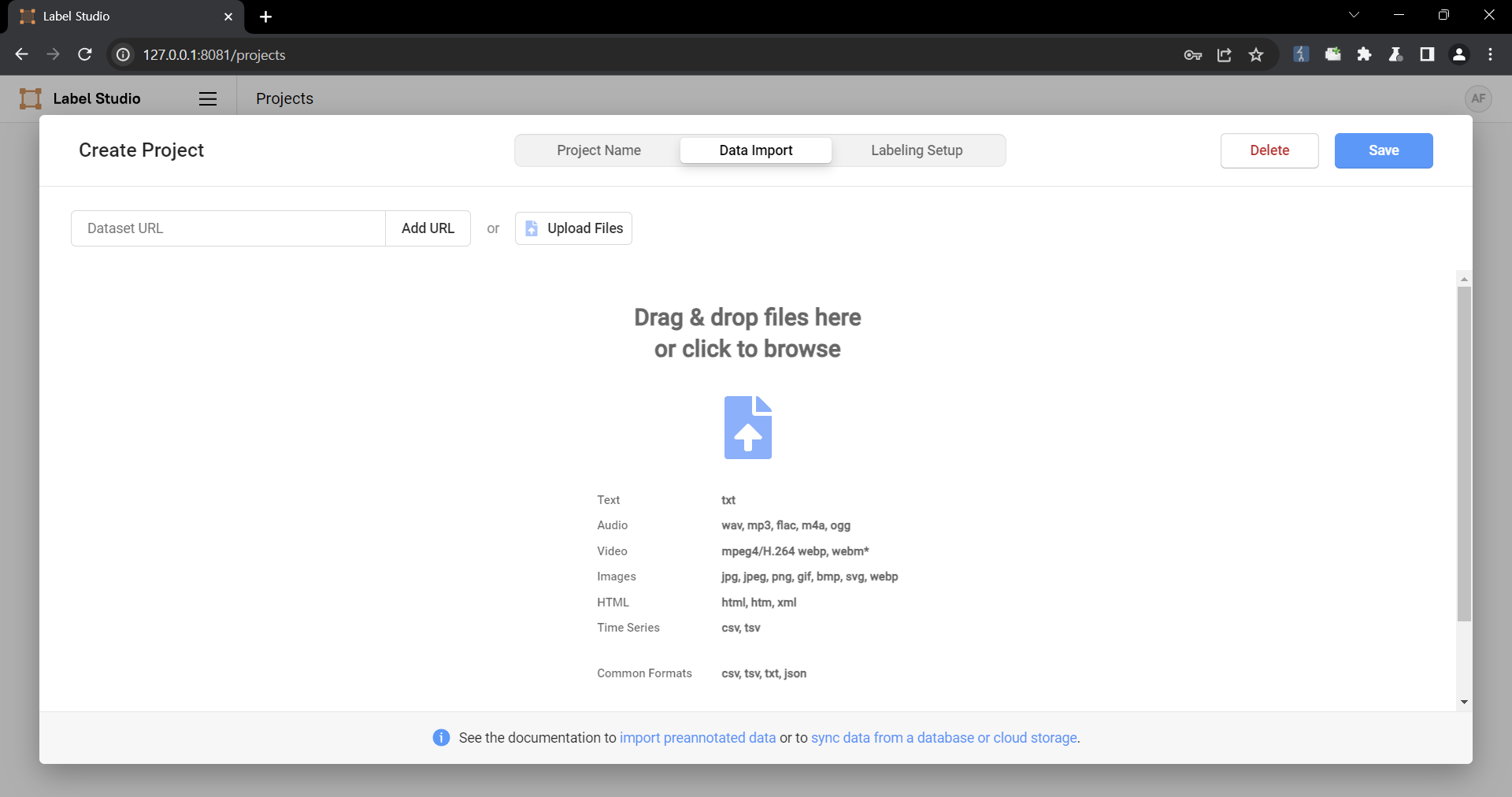 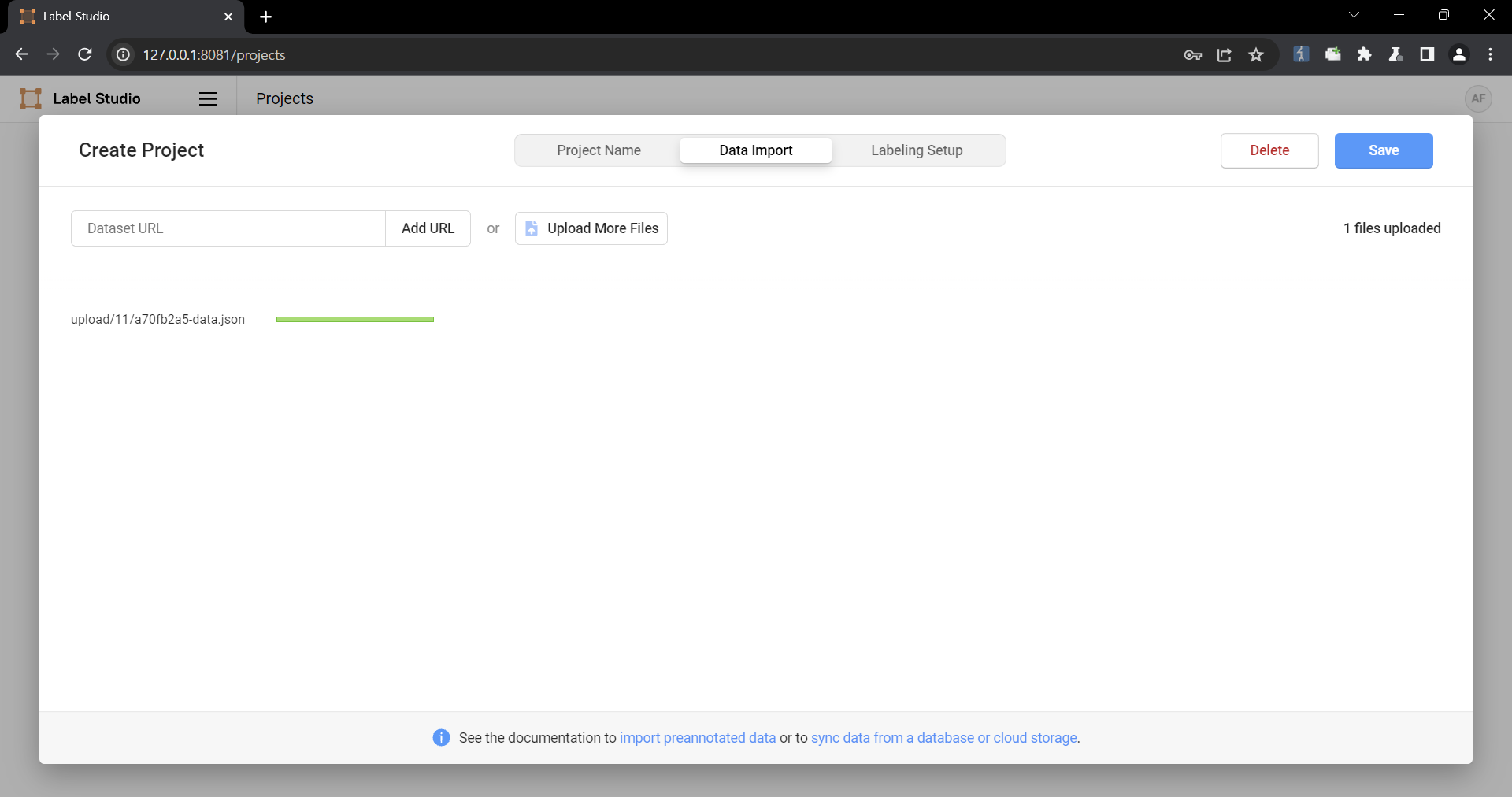 The following are the contents of the files used in the PoC ``` { "data": { "prompt": "labelstudio universe image", "images": [ { "value": "id123#0", "style": "margin: 5px", "html": "<img width='400' src='https://labelstud.io/_astro/images-tab.64279c16_ZaBSvC.avif' onload=alert(document.cookie)>" } ] } } ``` 3. Select the text-to-image generation labeling template of Ranking and scoring 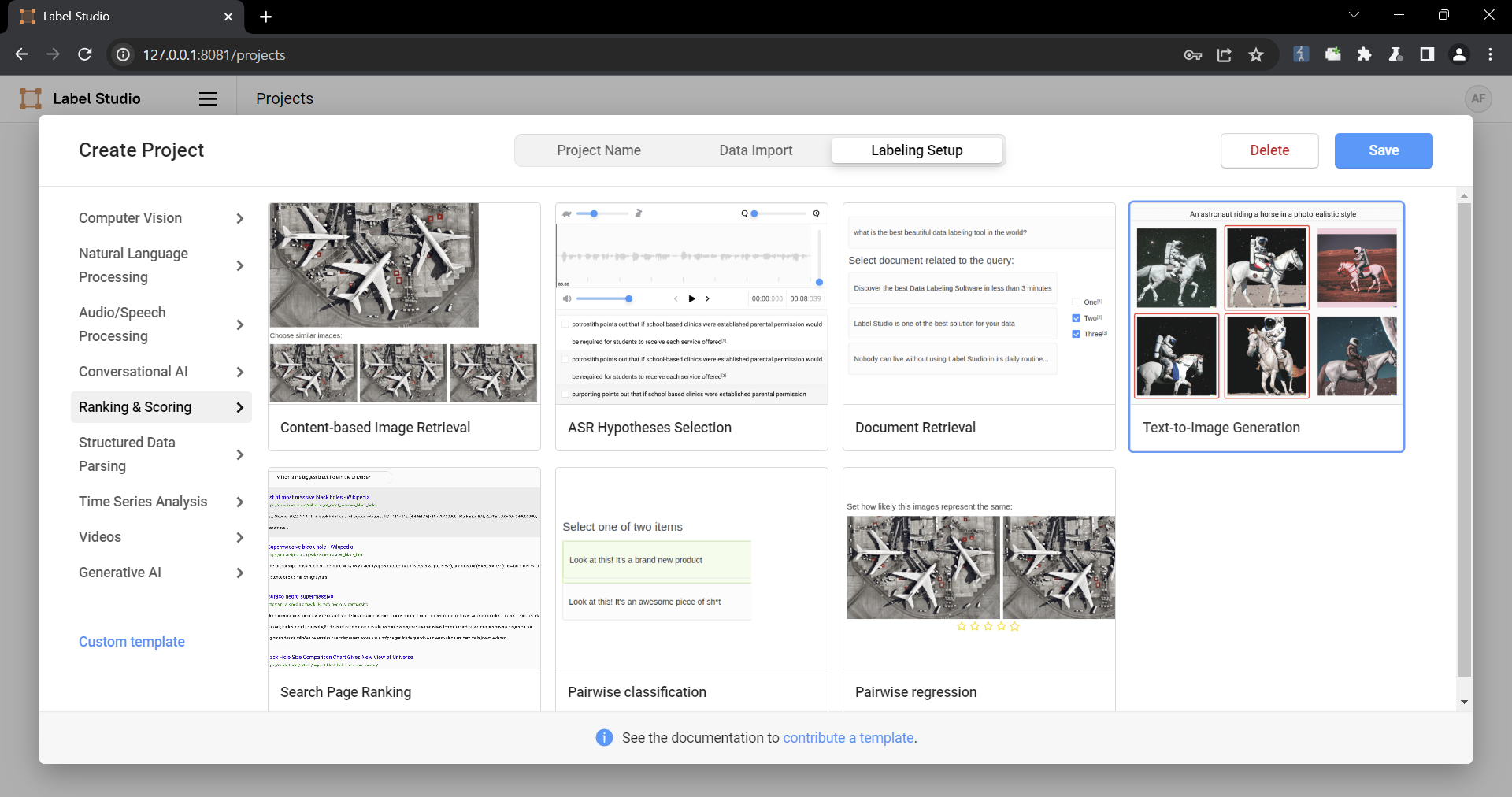 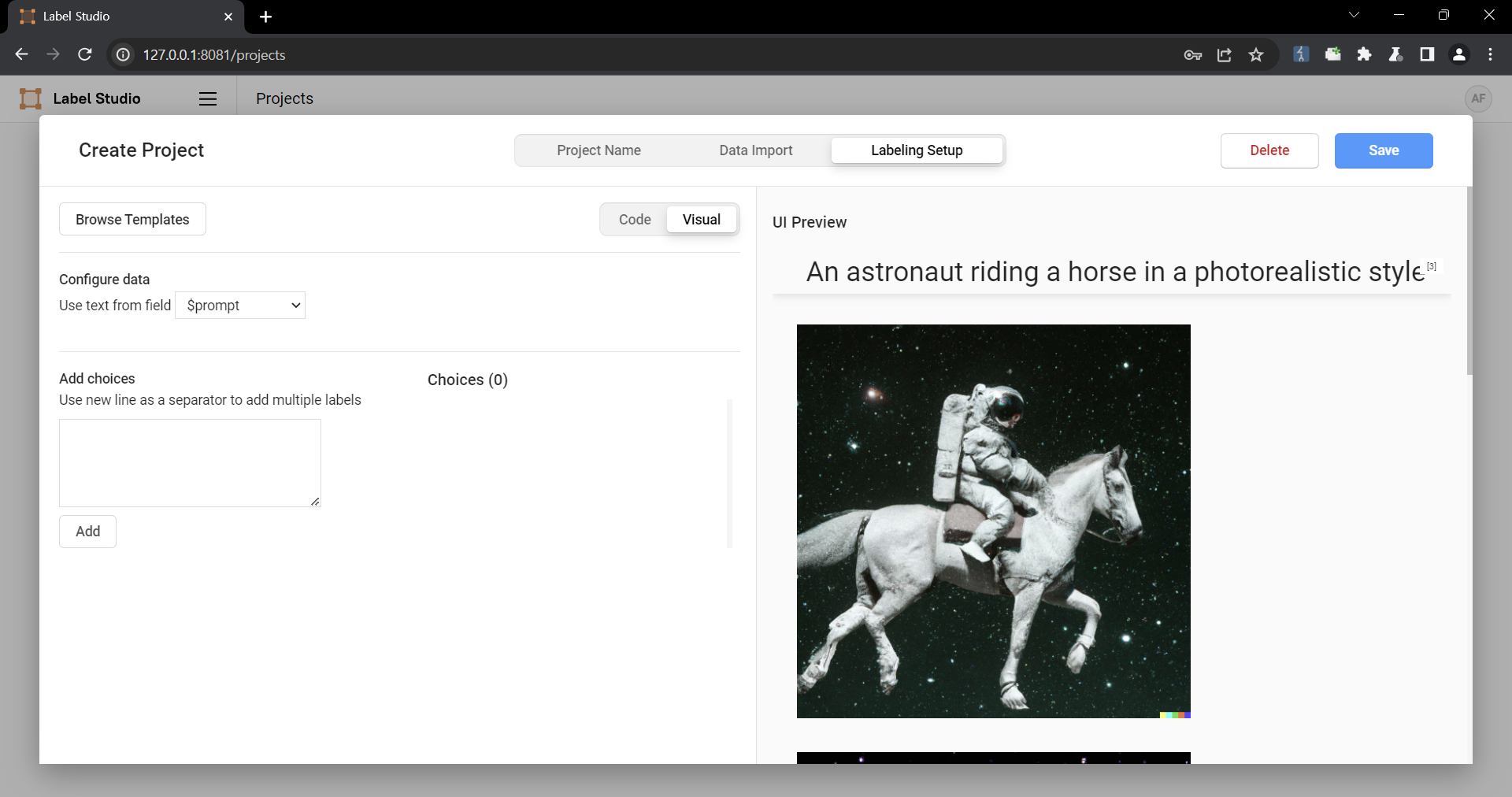 4. Select a task 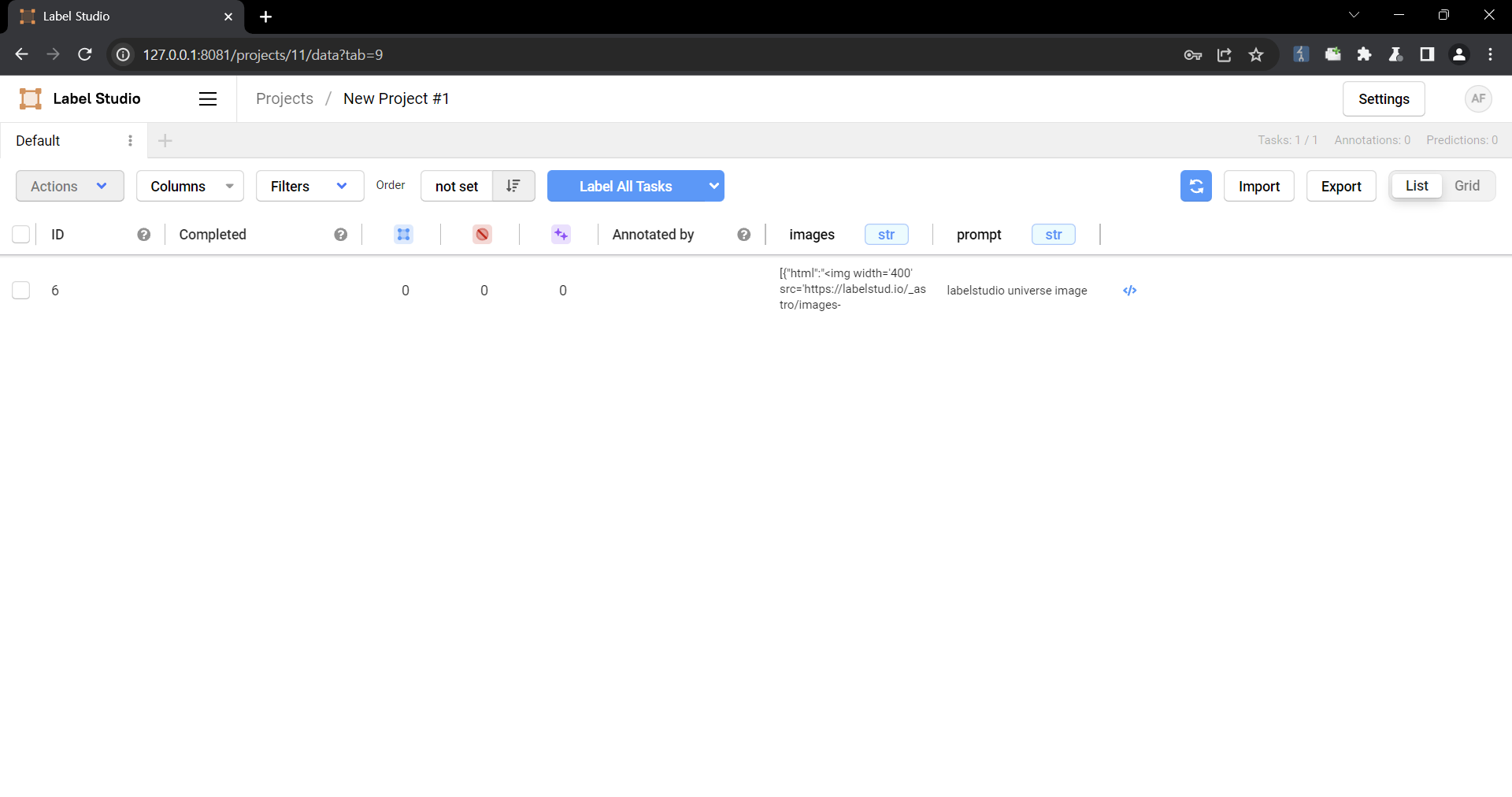 5. Check that the script is running 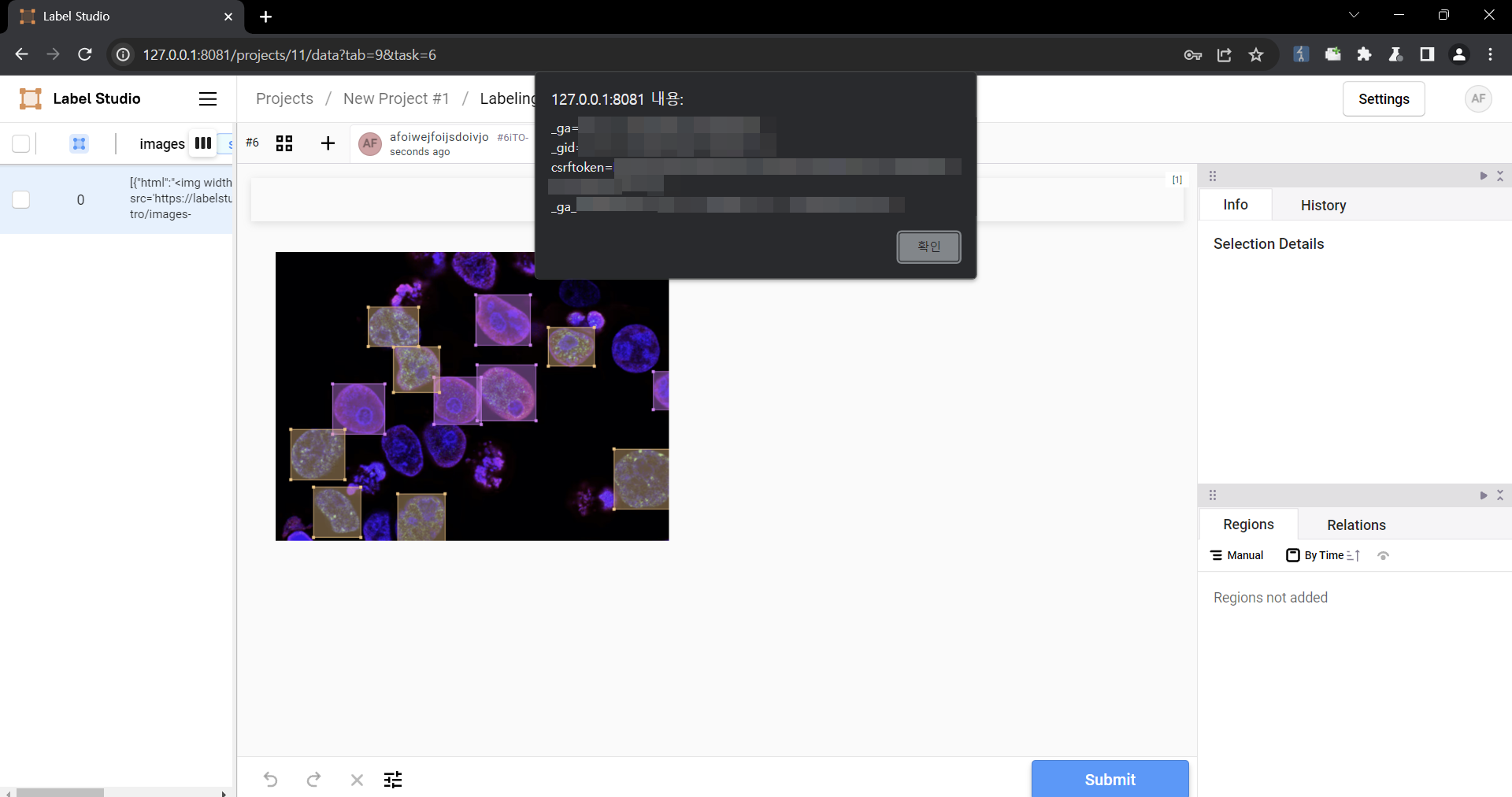 ### Impact Malicious scripts can be injected into the code, and when linked with vulnerabilities such as CSRF, it can cause even greater damage. In particular, It can become a source of further attacks, especially when linked to social engineering.
Adminer through 4.7.8 allows XSS via the history parameter to the default URI.
The ProductDyno plugin for WordPress is vulnerable to Reflected Cross-Site Scripting via the ‘res’ parameter in all versions up to, and including, 1.0.24 due to insufficient input sanitization and output escaping. This makes it possible for unauthenticated attackers to inject arbitrary web scripts into pages that execute if they can successfully trick a user into performing an action such as clicking on a link. This vulnerability is potentially a duplicate of CVE-2025-22320.
The WP Image Uploader plugin for WordPress is vulnerable to Reflected Cross-Site Scripting via the 'file' parameter in all versions up to, and including, 1.0.1 due to insufficient input sanitization and output escaping. This makes it possible for unauthenticated attackers to inject arbitrary web scripts in pages that execute if they can successfully trick a user into performing an action such as clicking on a link.
PHPGurukul Hospital Management System in PHP v4.0 suffers from multiple Persistent XSS vulnerabilities.
A vulnerability was found in PHPGurukul Maid Hiring Management System 1.0 and classified as problematic. Affected by this issue is some unknown functionality of the file /admin/search-booking-request.php. The manipulation of the argument searchdata leads to cross site scripting. The attack may be launched remotely.
The Flexible Wishlist for WooCommerce – Ecommerce Wishlist & Save for later plugin for WordPress is vulnerable to Stored Cross-Site Scripting via the ‘wishlist_name’ parameter in all versions up to, and including, 1.2.25 due to insufficient input sanitization and output escaping. This makes it possible for unauthenticated attackers to inject arbitrary web scripts in pages that will execute whenever a user accesses an injected page.
A vulnerability in the web-based management interface of Cisco Firepower Management Center (FMC) Software could allow an unauthenticated, remote attacker to conduct a stored cross-site scripting (XSS) attack against a user of the interface of an affected device. This vulnerability is due to insufficient validation of user-supplied input by the web-based management interface. An attacker could exploit this vulnerability by inserting crafted input into various data fields in an affected interface. A successful exploit could allow the attacker to execute arbitrary script code in the context of the interface, or access sensitive, browser-based information.
In Digital Experience 8.5, 9.0, and 9.5, WSRP consumer is vulnerable to cross-site scripting (XSS).
The Themify Builder plugin for WordPress is vulnerable to Reflected Cross-Site Scripting due to the use of add_query_arg without appropriate escaping on the URL in all versions up to, and including, 7.6.5. This makes it possible for unauthenticated attackers to inject arbitrary web scripts in pages that execute if they can successfully trick a user into performing an action such as clicking on a link.
The MemberSpace WordPress plugin before 2.1.14 does not sanitise and escape a parameter before outputting it back in the page, leading to a Reflected Cross-Site Scripting which could be used against only unauthenticated users.
The Fast Tube WordPress plugin through 2.3.1 does not sanitise and escape a parameter before outputting it back in the page, leading to a Reflected Cross-Site Scripting which could be used against high privilege users such as admin.
The pushBIZ WordPress plugin through 1.0 does not sanitise and escape a parameter before outputting it back in the page, leading to a Reflected Cross-Site Scripting which could be used against high privilege users such as admin.
A cross-site scripting (XSS) vulnerability in SAP J2EE Engine/7.01/Portal/EPP allows remote attackers to inject arbitrary web script via the wsdlLib parameter to /ctcprotocol/Protocol. NOTE: This vulnerability only affects products that are no longer supported by the maintainer
A vulnerability was found in PHPGurukul Maid Hiring Management System 1.0. It has been rated as problematic. This issue affects some unknown processing of the file /admin/profile.php. The manipulation of the argument name leads to cross site scripting. The attack may be initiated remotely.
The Accept Donations with PayPal & Stripe plugin for WordPress is vulnerable to Reflected Cross-Site Scripting via the rf parameter in all versions up to, and including, 1.4.4 due to insufficient input sanitization and output escaping. This makes it possible for unauthenticated attackers to inject arbitrary web scripts in pages that execute if they can successfully trick a user into performing an action such as clicking on a link.
Cross-site Scripting (XSS) - Generic in GitHub repository jgraph/drawio prior to 20.3.0.
An XSS vulnerability in the index_mobile_changepass.hsp reset-password section of Axigen Mobile WebMail before 10.2.3.12 and 10.3.x before 10.3.3.47 allows attackers to run arbitrary Javascript code that, using an active end-user session (for a logged-in user), can access and retrieve mailbox content.
The WP Contact Form7 Email Spam Blocker plugin for WordPress is vulnerable to Reflected Cross-Site Scripting via the 'post' parameter in all versions up to, and including, 1.0.0 due to insufficient input sanitization and output escaping. This makes it possible for unauthenticated attackers to inject arbitrary web scripts in pages that execute if they can successfully trick a user into performing an action such as clicking on a link.