Adobe Connect versions 12.8 and earlier are affected by a stored Cross-Site Scripting (XSS) vulnerability that could be abused by an attacker to inject malicious scripts into vulnerable form fields. Malicious JavaScript may be executed in a victim’s browser when they browse to the page containing the vulnerable field.
The WP Pro Real Estate 7 WordPress theme before 3.1.1 did not properly sanitise the ct_community parameter in its search listing page before outputting it back in it, leading to a reflected Cross-Site Scripting which can be triggered in both unauthenticated or authenticated user context
AmazCart CMS 3.4 contains a reflected cross-site scripting vulnerability that allows unauthenticated attackers to inject malicious scripts by submitting payloads through the search functionality. Attackers can enter script tags in the search box to execute arbitrary JavaScript that fires when search history is viewed or results are displayed.
Persistent Cross-Site Scripting (XSS) vulnerability in Alexander Stokmann's Code Snippets Extended plugin <= 1.4.7 on WordPress via Cross-Site Request Forgery (vulnerable parameters &title, &snippet_code).
Joomla JLex Review 6.0.1 contains a reflected cross-site scripting vulnerability that allows attackers to inject malicious scripts by manipulating the review_id URL parameter. Attackers can craft malicious links containing JavaScript payloads that execute in victims' browsers when clicked, enabling session hijacking or credential theft.
The Estatik Real Estate Plugin WordPress plugin before 4.1.1 does not sanitise and escape various parameters and generated URLs before outputting them back in attributes, leading to Reflected Cross-Site Scripting which could be used against high privilege users such as admin
### Summary On all Label Studio versions prior to 1.11.0, data imported via file upload feature is not properly sanitized prior to being rendered within a [`Choices`](https://labelstud.io/tags/choices) or [`Labels`](https://labelstud.io/tags/labels) tag, resulting in an XSS vulnerability. ### Details Need permission to use the "data import" function. This was reproduced on Label Studio 1.10.1. ### PoC 1. Create a project. 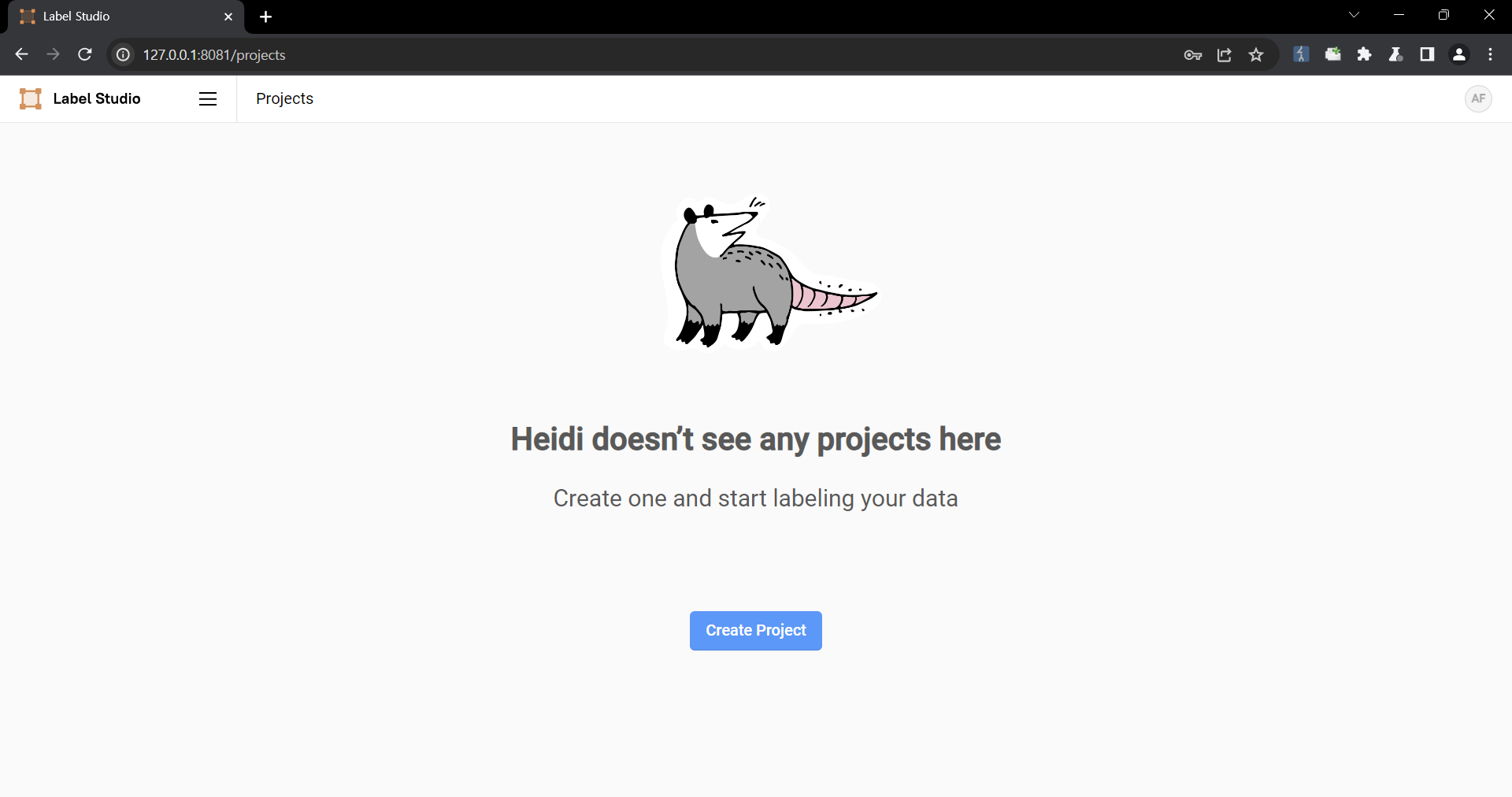 2. Upload a file containing the payload using the "Upload Files" function. 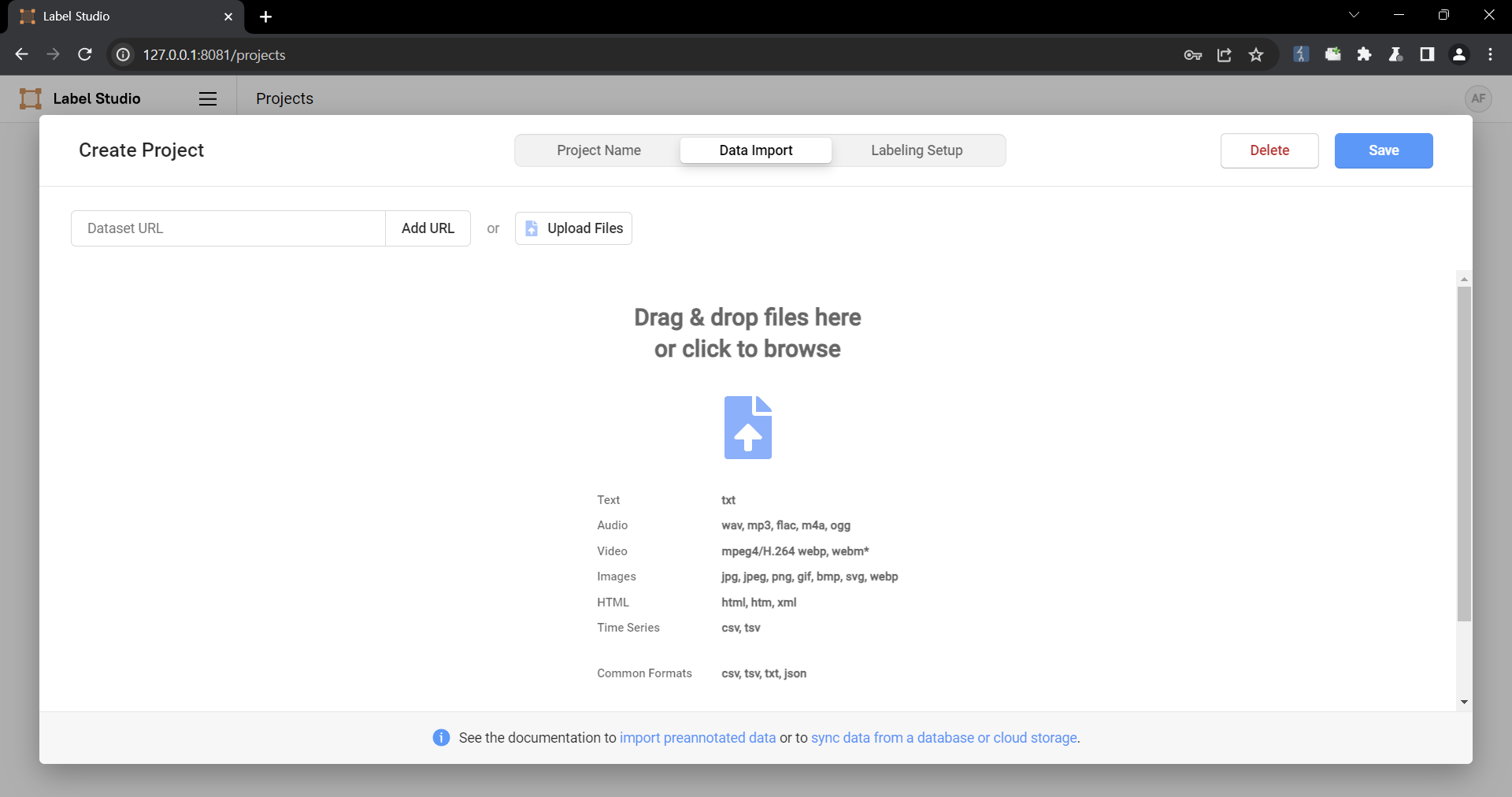 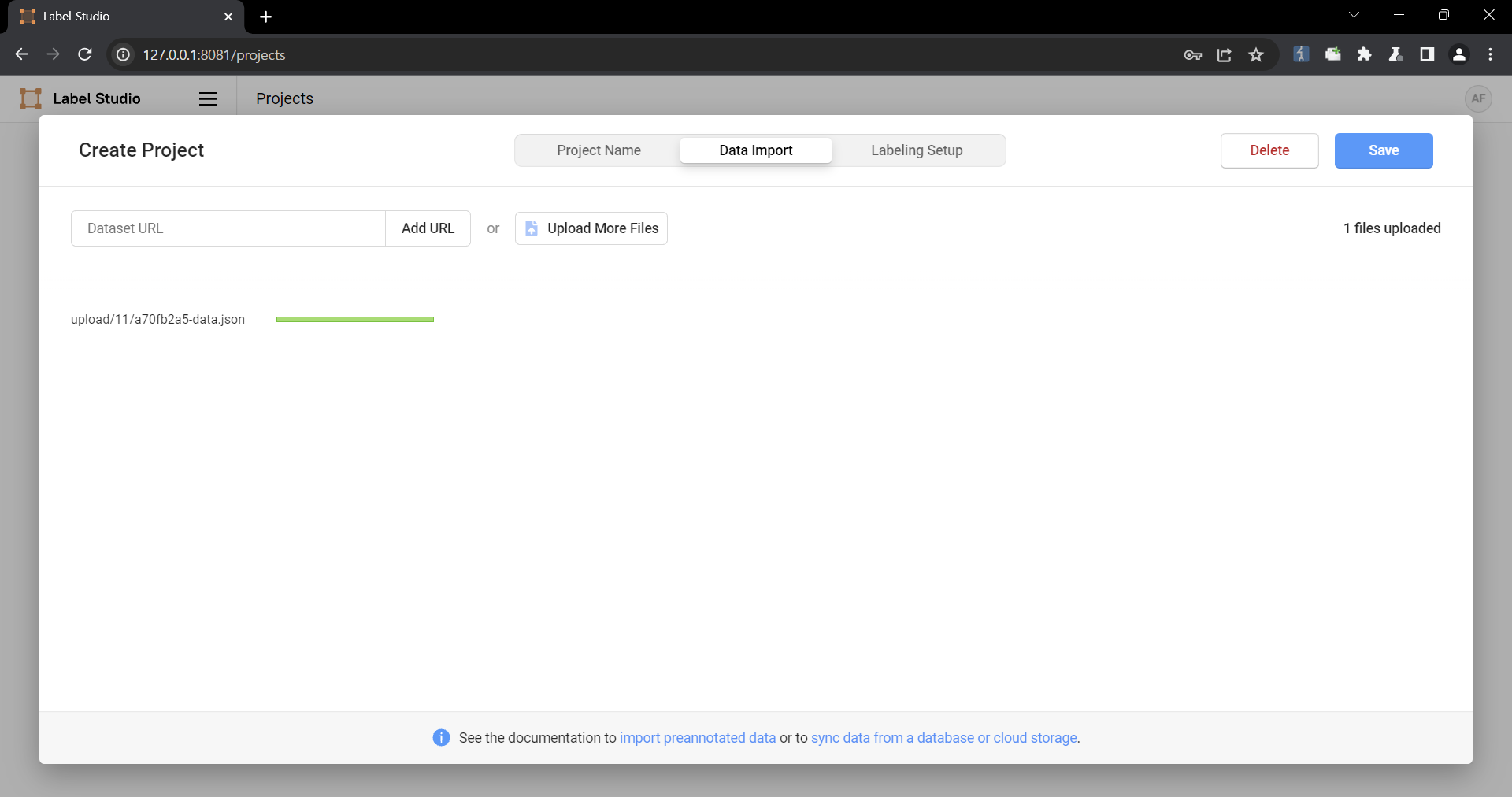 The following are the contents of the files used in the PoC ``` { "data": { "prompt": "labelstudio universe image", "images": [ { "value": "id123#0", "style": "margin: 5px", "html": "<img width='400' src='https://labelstud.io/_astro/images-tab.64279c16_ZaBSvC.avif' onload=alert(document.cookie)>" } ] } } ``` 3. Select the text-to-image generation labeling template of Ranking and scoring 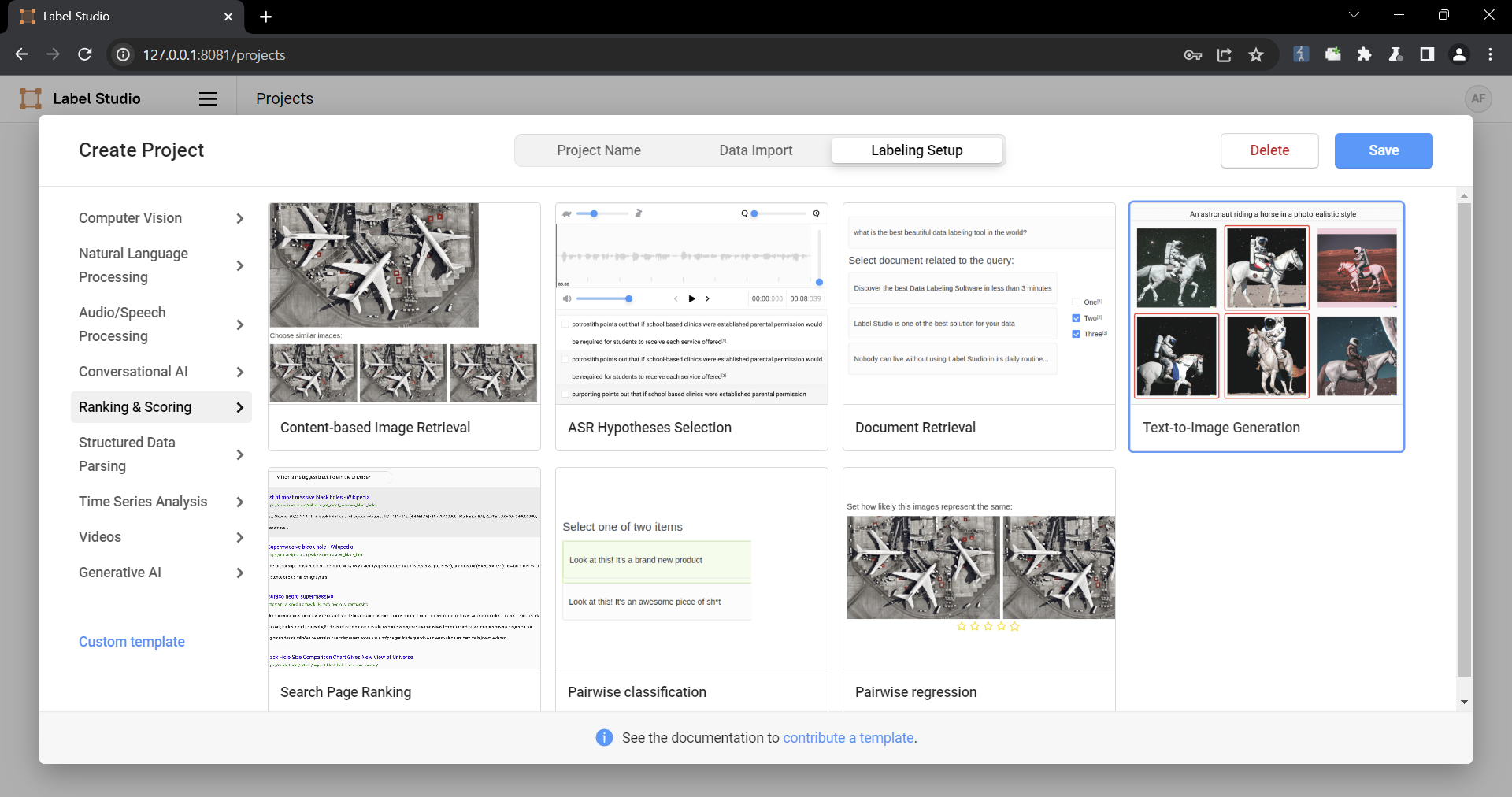 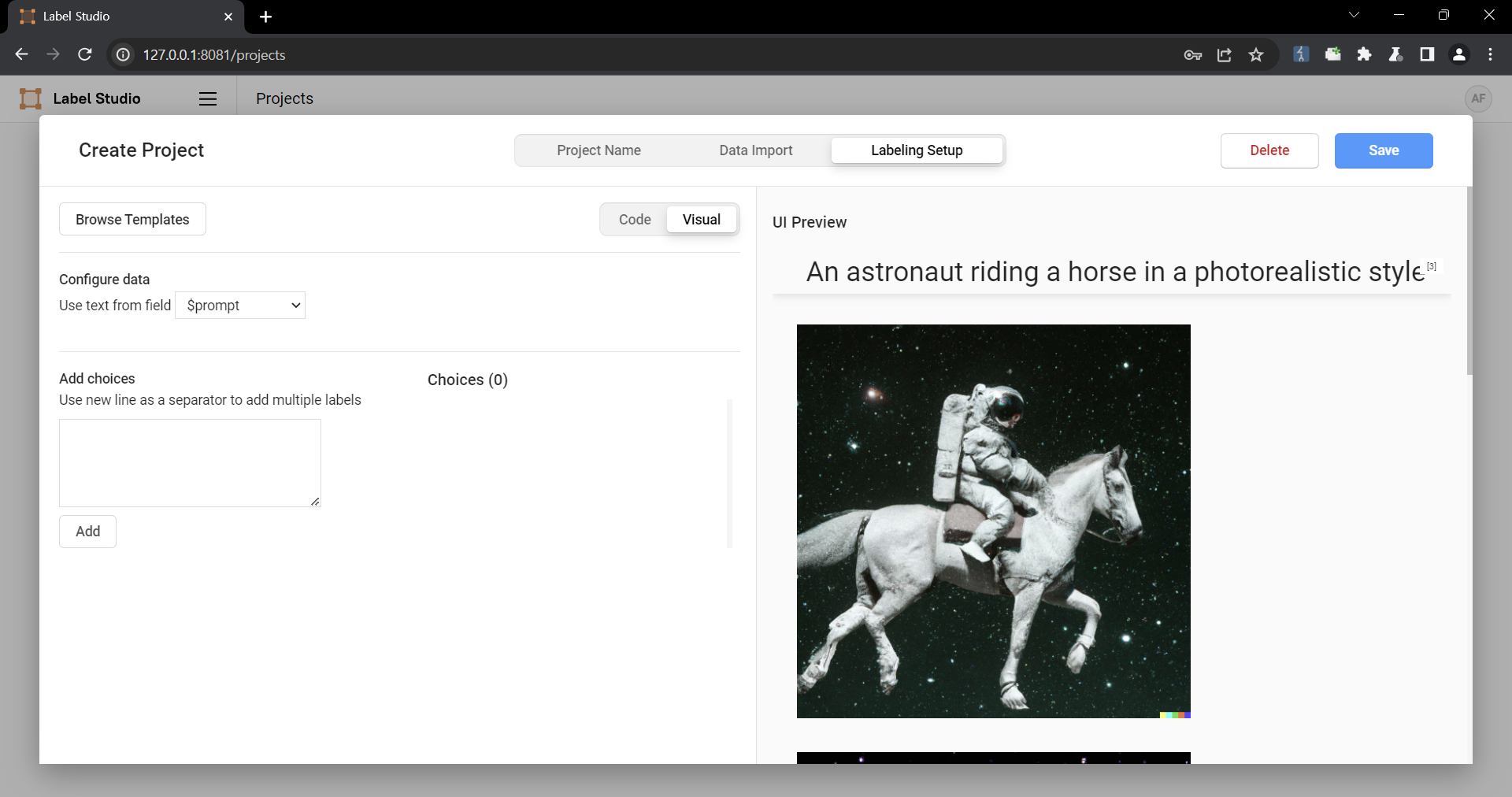 4. Select a task 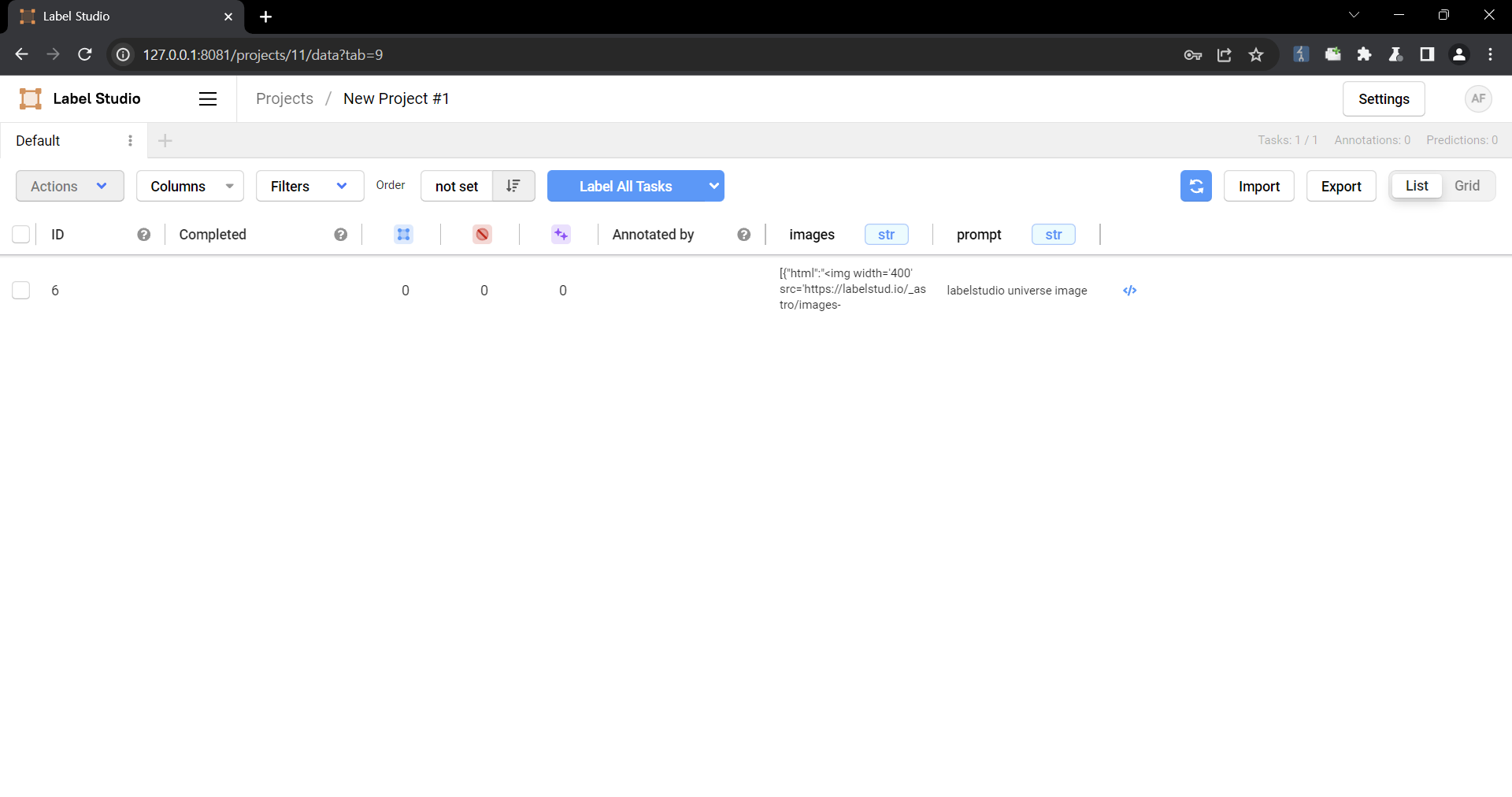 5. Check that the script is running 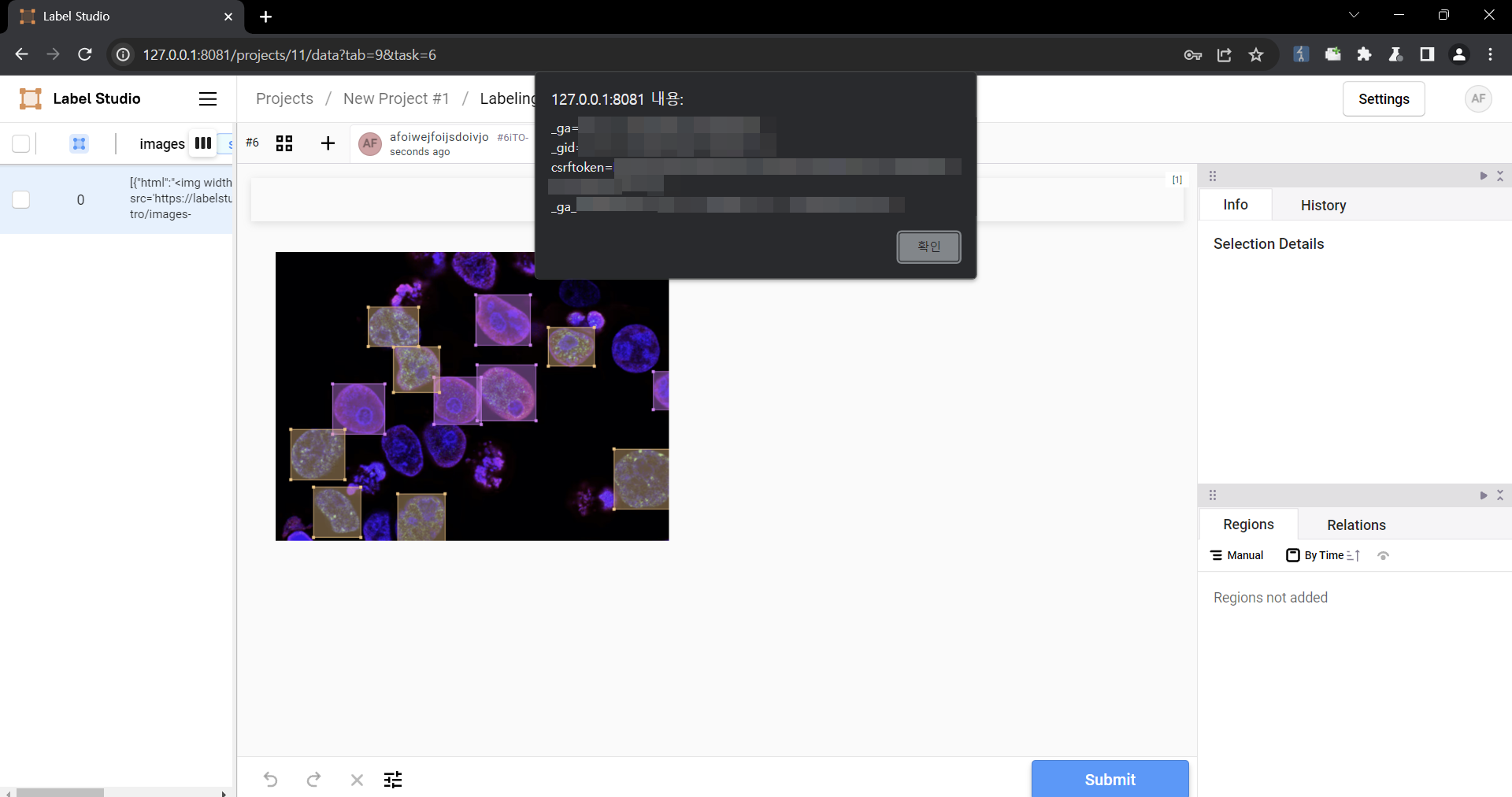 ### Impact Malicious scripts can be injected into the code, and when linked with vulnerabilities such as CSRF, it can cause even greater damage. In particular, It can become a source of further attacks, especially when linked to social engineering.
Proofpoint Enterprise Protection contains a stored XSS vulnerability in the AdminUI. An unauthenticated attacker can send a specially crafted email with HTML in the subject which triggers XSS when viewing quarantined messages. This issue affects Proofpoint Enterprise Protection: from 8.20.0 before patch 4796, from 8.18.6 before patch 4795 and all other prior versions.
A vulnerability was found in Campcodes Simple Student Information System 1.0. It has been declared as problematic. This vulnerability affects unknown code of the file /admin/students/manage_academic.php. The manipulation of the argument student_id leads to cross site scripting. The attack can be initiated remotely. The exploit has been disclosed to the public and may be used. VDB-244330 is the identifier assigned to this vulnerability.
Inappropriate implementation in Payments in Google Chrome prior to 119.0.6045.105 allowed a remote attacker to bypass XSS preventions via a malicious file. (Chromium security severity: High)
YugabyteDB is vulnerable to cross site scripting (XSS) via log injection. Writing invalidated user input to log files can allow an unprivileged attacker to forge log entries or inject malicious content into the logs.
The sanitize_string function in Zenphoto before 1.4.9 does not properly sanitize HTML tags, which allows remote attackers to perform a cross-site scripting (XSS) attack by wrapping a payload in "<<script></script>script>payload<script></script></script>", or in an image tag, with the payload as the onerror event.
Joomla HikaShop 4.7.4 contains a reflected cross-site scripting vulnerability that allows unauthenticated attackers to inject malicious scripts by manipulating GET parameters in the product filter endpoint. Attackers can craft malicious URLs containing XSS payloads in the from_option, from_ctrl, from_task, or from_itemid parameters to steal session tokens or login credentials when victims visit the link.
Unhead is a document head and template manager. Prior to 2.1.11, The link.href check in makeTagSafe (safe.ts) uses String.includes(), which is case-sensitive. Browsers treat URI schemes case-insensitively. DATA:text/css,... is the same as data:text/css,... to the browser, but 'DATA:...'.includes('data:') returns false. An attacker can inject arbitrary CSS for UI redressing or data exfiltration via CSS attribute selectors with background-image callbacks. This vulnerability is fixed in 2.1.11.
Multiple cross-site scripting (XSS) vulnerabilities in the Paid Memberships Pro (PMPro) plugin before 1.8.4.3 for WordPress allow remote attackers to inject arbitrary web script or HTML via the (1) s parameter to membershiplevels.php, (2) memberslist.php, or (3) orders.php in adminpages/ or the (4) edit parameter to adminpages/membershiplevels.php.
The default configuration of the Jinja templating engine used in the Identity Provider (IdP) server in Ipsilon 0.1.0 before 1.0.1 does not enable auto-escaping, which makes it easier for remote attackers to conduct cross-site scripting (XSS) attacks via template variables. NOTE: This may be a duplicate of CVE-2015-5216. Moreover, the Jinja development team does not enable auto-escape by default for performance issues as explained in https://jinja.palletsprojects.com/en/master/faq/#why-is-autoescaping-not-the-default.
The CSV grade import method contained an XSS risk for users importing the spreadsheet, if it contained unsafe content.
Incomplete blacklist in sanitize_string in Zenphoto before 1.4.9 allows remote attackers to conduct cross-site scripting (XSS) attacks.
A vulnerability classified as problematic was found in hu60t hu60wap6. Affected by this vulnerability is the function markdown of the file src/class/ubbparser.php. The manipulation leads to cross site scripting. The attack can be launched remotely. This product does not use versioning. This is why information about affected and unaffected releases are unavailable. The patch is named a1cd9f12d7687243bfcb7ce295665acb83b9174e. It is recommended to apply a patch to fix this issue. The associated identifier of this vulnerability is VDB-243775.
A vulnerability exists in the webserver that affects the RTU500 series product versions listed below. A malicious actor could perform cross-site scripting on the webserver due to user input being improperly sanitized.
An unsafe default configuration in KNIME Analytics Platform before 5.2.0 allows for a cross-site scripting attack. When KNIME Analytics Platform is used as an executor for either KNIME Server or KNIME Business Hub several JavaScript-based view nodes do not sanitize the data that is displayed by default. If the data to be displayed contains JavaScript this code is executed in the browser and can perform any operations that the current user is allowed to perform silently. KNIME Analytics Platform already has configuration options with which sanitization of data can be actived, see https://docs.knime.com/latest/webportal_admin_guide/index.html#html-sanitization-webportal https://docs.knime.com/latest/webportal_admin_guide/index.html#html-sanitization-webportal . However, these are off by default which allows for cross-site scripting attacks. KNIME Analytics Platform 5.2.0 will enable sanitization by default. For all previous releases we recommend users to add the corresponding settings to the executor's knime.ini.
The Identity Provider (IdP) server in Ipsilon 0.1.0 before 1.0.1 does not properly escape certain characters in a Python exception-message template, which makes it easier for remote attackers to conduct cross-site scripting (XSS) attacks via an HTTP response.
The EmbedPress WordPress plugin before 3.9.2 does not sanitise and escape user input before outputting it back in the page, leading to a Reflected Cross-Site Scripting which could be used against high privilege users such as admin
The WassUp Real Time Analytics WordPress plugin through 1.9.4.5 does not escape IP address provided via some headers before outputting them back in an admin page, allowing unauthenticated users to perform Stored XSS attacks against logged in admins
WordPress adivaha Travel Plugin 2.3 contains a reflected cross-site scripting vulnerability that allows unauthenticated attackers to inject malicious scripts by manipulating the isMobile parameter. Attackers can craft malicious URLs containing JavaScript payloads in the isMobile GET parameter at the /mobile-app/v3/ endpoint to execute arbitrary code in victims' browsers and steal session tokens or credentials.
The Welcart e-Commerce WordPress plugin before 2.9.5 does not sanitise and escape a parameter before outputting it back in the page, leading to a Reflected Cross-Site Scripting which could be used against high privilege users such as admin
Cross-site Scripting (XSS) - Reflected in GitHub repository thorsten/phpmyfaq prior to 3.2.2.
A reflected cross-site scripting (XSS) vulnerability in the AdvancedSearch functionality of Silverpeas Core before version 6.4.6 allows attackers to execute arbitrary JavaScript in the context of a user's browser via crafted input.
Defuddle cleans up HTML pages. Prior to version 0.9.0, the _findContentBySchemaText method in src/defuddle.ts interpolates image src and alt attributes directly into an HTML string without escaping. An attacker can use a " in the alt attribute to break out of the attribute context and inject event handler. This issue has been patched in version 0.9.0.
The Digirisk plugin for WordPress is vulnerable to Reflected Cross-Site Scripting via the 'current_group_id' parameter in version 6.0.0.0 due to insufficient input sanitization and output escaping. This makes it possible for unauthenticated attackers to inject arbitrary web scripts in pages that execute if they can successfully trick a user into performing an action such as clicking on a link.
A vulnerability has been found in vnotex vnote up to 3.17.0 and classified as problematic. Affected by this vulnerability is an unknown functionality of the component Markdown File Handler. The manipulation with the input <xss onclick="alert(1)" style=display:block>Click here</xss> leads to cross site scripting. The attack can be launched remotely. The exploit has been disclosed to the public and may be used. The associated identifier of this vulnerability is VDB-243139. NOTE: The vendor was contacted early about this disclosure but did not respond in any way.
A critical flaw has been identified in elijaa/phpmemcachedadmin affecting version 1.3.0, specifically related to a stored XSS vulnerability. This vulnerability allows malicious actors to insert a carefully crafted JavaScript payload. The issue arises from improper encoding of user-controlled entries in the "/pmcadmin/configure.php" parameter.
A vulnerability was identified in Alinto SOGo 5.12.3/5.12.4. This impacts an unknown function. The manipulation of the argument hint leads to cross site scripting. The attack can be initiated remotely. The exploit is publicly available and might be used. The vendor was contacted early about this disclosure but did not respond in any way.
Chamilo LMS is a learning management system. Chamilo LMS version 1.11.34 and prior contains a Reflected Cross-Site Scripting (XSS) vulnerability in the session category listing page. The keyword parameter from $_REQUEST is echoed directly into an HTML href attribute without any encoding or sanitization. An attacker can inject arbitrary HTML/JavaScript by breaking out of the attribute context using ">followed by a malicious payload. The vulnerability is triggered when the pagination controls are rendered — which occurs when the number of session categories exceeds 20 (the page limit). This issue has been patched in version 1.11.36.
A vulnerability exists in the webserver that affects the RTU500 series product versions listed below. A malicious actor could perform cross-site scripting on the webserver due to an RDT language file being improperly sanitized.
A vulnerability, which was classified as problematic, was found in SourceCodester Sticky Notes App 1.0. This affects an unknown part of the file endpoint/add-note.php. The manipulation of the argument noteTitle/noteContent leads to cross site scripting. It is possible to initiate the attack remotely. The exploit has been disclosed to the public and may be used. The identifier VDB-243597 was assigned to this vulnerability.
A vulnerability was found in a466350665 Smart-SSO up to 2.1.1. Affected by this issue is some unknown functionality of the file smart-sso-server/src/main/resources/templates/login.html of the component Login. Performing a manipulation of the argument redirectUri results in cross site scripting. The attack is possible to be carried out remotely. The exploit has been made public and could be used. The vendor was contacted early about this disclosure but did not respond in any way.
The error_description parameter is vulnerable to Reflected XSS. An attacker can bypass the domain's WAF using a Safari-specific onpagereveal payload.
The Contact Form Email WordPress plugin before 1.3.44 does not sanitise and escape some of its settings, which could allow high privilege users such as admin to perform Stored Cross-Site Scripting attacks even when the unfiltered_html capability is disallowed (for example in multisite setup)
A vulnerability was found in CodeAstro Internet Banking System 1.0. It has been declared as problematic. Affected by this vulnerability is an unknown functionality of the file pages_reset_pwd.php. The manipulation of the argument email with the input testing%40example.com'%26%25<ScRiPt%20>alert(9860)</ScRiPt> leads to cross site scripting. The attack can be launched remotely. The exploit has been disclosed to the public and may be used. The identifier VDB-243133 was assigned to this vulnerability.
Firefox sometimes ran the onload handler for SVG elements that the DOM sanitizer decided to remove, resulting in JavaScript being executed after pasting attacker-controlled data into a contenteditable element. This vulnerability affects Firefox < 81, Thunderbird < 78.3, and Firefox ESR < 78.3.
The Martins Free & Easy SEO BackLink Link Building Network WordPress plugin before 1.2.30 does not sanitise and escape a parameter before outputting it back in the page, leading to a Reflected Cross-Site Scripting which could be used against high privilege users such as admin
Roundcube before 1.4.15, 1.5.x before 1.5.5, and 1.6.x before 1.6.4 allows stored XSS via an HTML e-mail message with a crafted SVG document because of program/lib/Roundcube/rcube_washtml.php behavior. This could allow a remote attacker to load arbitrary JavaScript code.
IBM WebSphere Portal and Web Content Manager 7.0, 8.0, 8.5, and 9.0 is vulnerable to cross-site scripting. This vulnerability allows users to embed arbitrary JavaScript code in the Web UI thus altering the intended functionality potentially leading to credentials disclosure within a trusted session. IBM X-Force ID: 125457.
Wallos is an open-source, self-hostable personal subscription tracker. Prior to version 4.6.2, passwordreset.php outputs $_GET["token"] and $_GET["email"] directly into HTML input value attributes using <?= $token ?> and <?= $email ?> without calling htmlspecialchars(). This allows reflected XSS by breaking out of the attribute context. This issue has been patched in version 4.6.2.
The POST SMTP Mailer WordPress plugin before 2.7.1 does not escape email message content before displaying it in the backend, allowing an unauthenticated attacker to perform XSS attacks against highly privileged users.
A vulnerability in Black Duck Hub’s embedded MadCap Flare documentation files could allow an unauthenticated remote attacker to conduct a cross-site scripting attack. The vulnerability is due to improper validation of user-supplied input to MadCap Flare's framework embedded within Black Duck Hub's Help Documentation to supply content. An attacker could exploit this vulnerability by convincing a user to click a link designed to pass malicious input to the interface. A successful exploit could allow the attacker to conduct cross-site scripting attacks and gain access to sensitive browser-based information.
Joomla iProperty Real Estate 4.1.1 contains a reflected cross-site scripting vulnerability that allows attackers to inject malicious scripts by manipulating the filter_keyword parameter. Attackers can craft URLs containing JavaScript payloads in the filter_keyword GET parameter of the all-properties-with-map endpoint to execute arbitrary code in victim browsers and steal session tokens or credentials.
A vulnerability was found in CodeAstro Internet Banking System 1.0. It has been rated as problematic. Affected by this issue is some unknown functionality of the file pages_transfer_money.php. The manipulation of the argument account_number with the input 357146928--><ScRiPt%20>alert(9206)</ScRiPt><!-- leads to cross site scripting. The attack may be launched remotely. The exploit has been disclosed to the public and may be used. VDB-243134 is the identifier assigned to this vulnerability.
A vulnerability classified as problematic has been found in PHPGurukul Restaurant Table Booking System 1.0. Affected is an unknown function of the file index.php of the component Reservation Request Handler. The manipulation leads to cross site scripting. It is possible to launch the attack remotely. The identifier of this vulnerability is VDB-244944.